

























Silicon Valley Titans Rally Behind Trump's AI Vision Sparking Regulatory Debate
Major Silicon Valley figures are aligning with President-elect Trump's AI deregulation agenda, signaling a sharp pivot from the Biden administration's executive order on AI safety. The shift is reshaping the regulatory landscape weeks before Trump takes office.
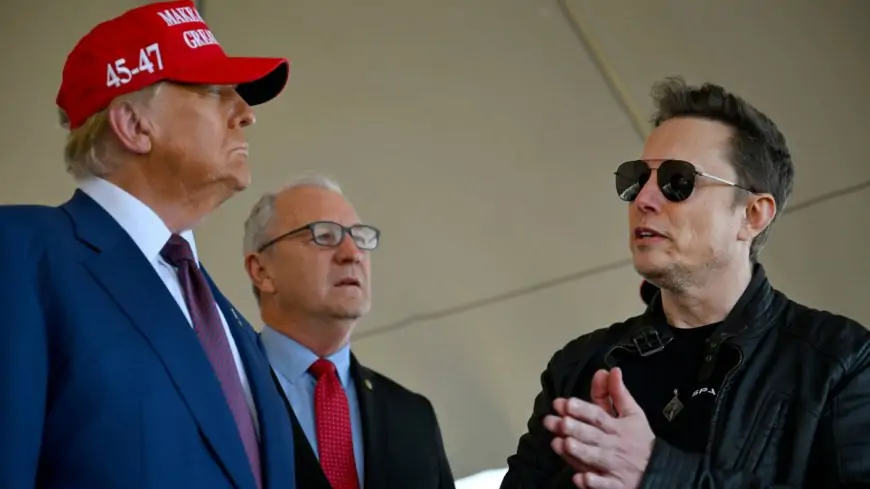
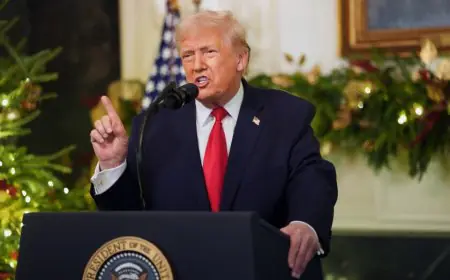
In the weeks since the election, an increasing number of Silicon Valley leaders have signaled their support for President-elect Trump’s approach to AI regulation—or more precisely, his approach to dismantling it. Marc Andreessen, Elon Musk, and David Sacks have all made public statements in favor of replacing the Biden administration’s AI executive order with a framework that prioritizes innovation speed over precautionary safety measures. The shift is setting up a dramatic change in AI governance when Trump takes office on January 20.

The Biden administration’s executive order, signed in October 2023, required companies developing frontier models to report safety test results to the government, established the US AI Safety Institute, and directed NIST to develop standards for red-teaming and risk assessment. The order was the most significant federal AI regulation in US history. Trump has said on multiple occasions that he would repeal it on day one.
What would replace it is less clear. The Trump campaign has not published a detailed AI policy platform, and the transition team’s technology working group is still being assembled. Based on public statements from those advising the incoming administration, the likely framework will involve voluntary industry standards rather than mandatory reporting, a reversal of the AI Safety Institute’s role from regulator to advisor, and a significant reduction in export controls on AI chips to allies and partners.
Marc Andreessen described the Biden AI executive order as “a regulatory straitjacket designed by people who think AI is inherently dangerous.” He called for its “immediate and complete repeal.”
The alignment between Silicon Valley and the incoming administration is notable because it was not a given. Many tech leaders supported Vice President Harris during the campaign, and the industry’s relationship with Trump during his first term was frequently hostile. What changed is the size of the stakes. The AI market is projected to reach $1.8 trillion by 2030, and the companies that dominate it will be defined partly by the regulatory environment in which they operate. For investors and founders, a lighter regulatory touch is worth a temporary alliance with an administration they might otherwise oppose.
Wall Street is betting on the same outcome. The convergence of financial and technology elites around a shared expectation of AI deregulation is one of the defining dynamics of the pre-inauguration period. Whether that consensus holds once the new administration begins making specific policy decisions is another question entirely.