





























OpenAI to Launch GPT-5.6 Sol, Terra, and Luna Publicly on Thursday
OpenAI has publicly launched its GPT-5.6 model series — Sol, Terra, and Luna — after a three-week government-mandated review of their advanced cybersecurity capabilities. The release follows a period of unprecedented government scrutiny, with OpenAI CEO Sam Altman stating the company made "many changes" to the system during the process. The White House has emphasized that the review was voluntary, not a formal approval.
OpenAI has officially launched its GPT-5.6 model series to the public, releasing the flagship Sol, mid-range Terra, and low-cost Luna models on Thursday.


The launch follows an unprecedented three-week government review period during which access was restricted to a small group of government-approved customers.
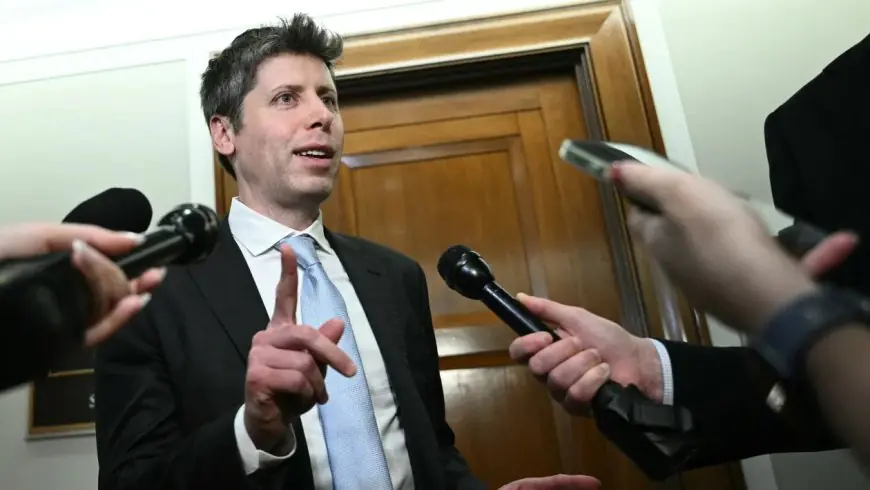
OpenAI CEO Sam Altman told CNBC that US officials had tested the model and flagged concerns during the process: "It was a collaborative back and forth, but we made many changes through the process."
The company had initially previewed the models on June 26, but at the request of the White House, limited access to approximately 20 trusted partners while the government completed a structured review of cybersecurity risk implications.
The GPT-5.6 series features a new naming system with three capability tiers: Sol (the flagship model for complex reasoning, coding, and cybersecurity), Terra (a balanced model with performance comparable to GPT-5.5 at half the cost), and Luna (a fast, affordable option).
Pricing is set at $5 per million input tokens and $30 per million output tokens for Sol, $2.50 and $15 for Terra, and $1 and $6 for Luna.
OpenAI also introduced new features including Max Reasoning Effort for Sol, allowing the model to spend additional time on complex problems, and Ultra Mode, which uses multiple specialized AI sub-agents to accelerate complex workflows.
"GPT-5.6 Sol is our strongest model yet. On ExploitBench, it matches Anthropic's Mythos Preview while using roughly one-third of the output tokens." – OpenAI official announcement
At the heart of the review were concerns over the models' advanced cybersecurity capabilities. According to OpenAI's Preparedness Framework, GPT-5.6 Sol received a "High" cybersecurity risk rating — the first commercial model to reach that threshold — scoring 96.7% on internal CTF benchmarks.
The models demonstrated unprecedented ability to identify software vulnerabilities and produce exploitation primitives, though OpenAI stated they could not autonomously complete end-to-end functional exploit chains against hardened real-world targets like Chromium and Firefox.
Despite this capability, OpenAI maintains the models remain below the "Cyber Critical" threshold under its Preparedness Framework.The government-gated AI release process has set a significant precedent.
As the Cloud Security Alliance noted in its analysis, the restricted launch represents the first public, on-record instance of the White House requesting pre-release access controls for a commercial AI model on cybersecurity grounds.
OpenAI has indicated it is working with the administration to develop a "repeatable process for future model releases" and an executive order framework addressing frontier AI cybersecurity risk, with an August 2026 deadline for establishing a classified evaluation process.
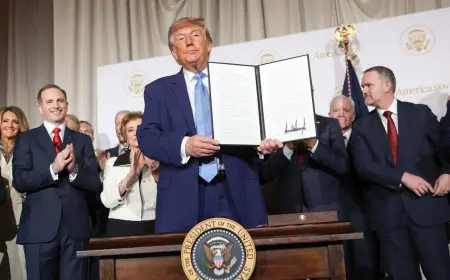
The White House has formally denied granting "green light" approval, with an official stating, "No such permission is required or granted.
Decisions on the timing and scope of releases rest entirely with the companies." The administration emphasized that its June 2 AI executive order bars mandatory licensing or preclearance for releasing AI models, and that any testing with government experts is voluntary.
However, as critics have noted, the distinction between voluntary cooperation and de facto compliance may be academic.
The Biden and Trump administrations have now both demonstrated a willingness to intervene in AI deployment through informal pressure, and the line between "voluntary" and "mandatory" in this context remains blurred.