

































How the Axios Summit is Shaping the Future of American AI Power
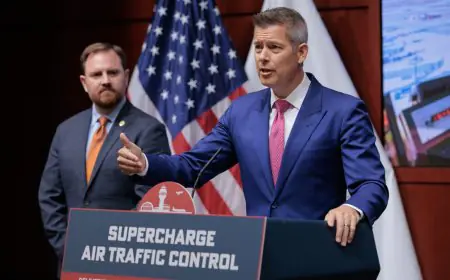
The Axios AI+DC Summit in Washington has brought together a powerful coalition of policymakers, defense leaders, and Silicon Valley executives to redefine artificial intelligence as a cornerstone of national security and a primary geopolitical weapon for the United States.
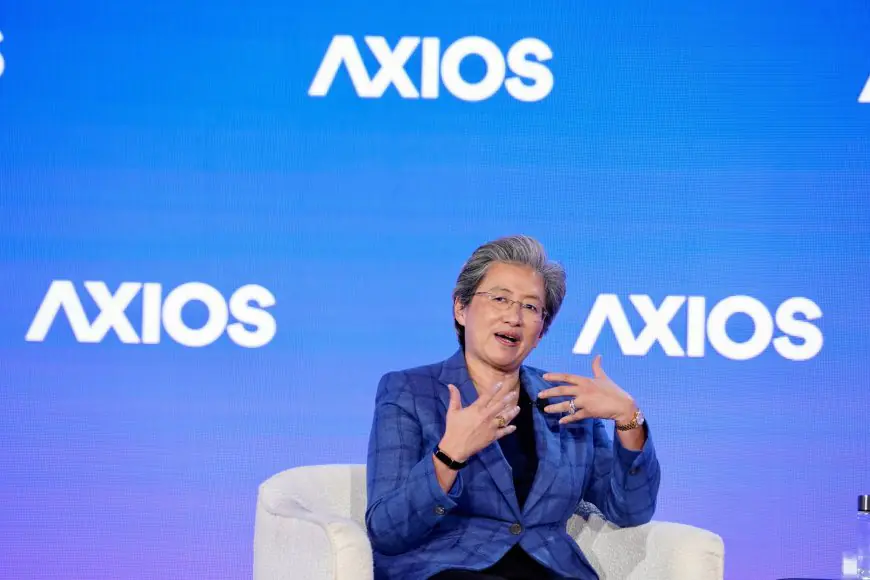


The atmosphere inside Washington’s hallowed halls today feels less like a typical tech conference and more like a war room. As the Axios AI+DC Summit kicked off this March 25, 2026, the rhetoric has shifted away from chatbots and creative art and toward a much grittier reality: AI is no longer a luxury for the private sector; it is the fundamental infrastructure of 21st-century state power. The marriage between Silicon Valley’s code and the Pentagon’s cabinet is now officially finalized.
For the executives from companies like OpenAI, Microsoft, and Palantir sharing the stage with top defense officials, the message is clear. The U.S. government is no longer content to sit on the sidelines as a mere regulator. Instead, Washington is positioning itself as the ultimate architect of an AI-driven geopolitical strategy designed to maintain a competitive edge over global rivals.
The shift from innovation to intervention
The core theme of today’s summit centers on "Sovereign AI"—the idea that a nation's security is directly tied to its domestic compute capacity and algorithmic superiority. Lawmakers at the event emphasized that the era of "laissez-faire" AI development is ending. In its place is a new framework where the federal government provides massive subsidies and streamlined procurement in exchange for priority access to frontier models that can secure the nation's digital and physical borders.
Key discussions during the morning sessions highlighted three strategic pillars:
- Automated Defense: Integrating AI agents into cyber-defense systems to neutralize foreign threats in milliseconds, far faster than any human operator could react.
- Economic Intelligence: Using predictive models to secure supply chains and identify economic vulnerabilities before they become crises.
- Regulatory Diplomacy: Exporting American AI standards to allied nations to create a unified, democratic digital block.
As noted in the official Axios event briefings, the focus has moved beyond the "risks" of AI to the "necessity" of AI. There is a palpable sense that the United States is in a "Sputnik moment," where falling behind in AI development is viewed as an existential threat to the current global order.
Silicon Valley goes to Washington
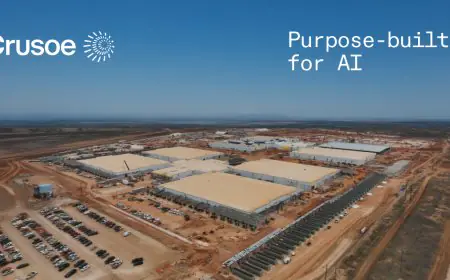
The presence of Big Tech’s heavy hitters signals a major change in how these companies view their role. In previous years, tech giants often fought to stay independent of government oversight. Today, they are leaning into it. The consensus at the summit is that the sheer scale of the energy and compute power required to train the next generation of models requires the kind of infrastructure only a nation-state can support.
This "public-private partnership" isn't just about funding; it's about data. Discussions have turned toward how the government can provide secure access to vast public datasets—everything from weather patterns to logistical flows—to help train more accurate and robust models. This symbiotic relationship ensures that as the White House AI directives continue to evolve, the private sector remains the primary engine driving those goals forward.
The implications for the average citizen are profound. When AI becomes a tool of national security, the line between consumer technology and state surveillance can blur. While policymakers at the summit were quick to champion "democratic values" and "responsible AI," the underlying reality is that the pressure of global competition often moves faster than ethical deliberations. Washington has decided that the only thing more dangerous than a powerful AI is an AI controlled by someone else.
As the summit concludes, one thing is certain: the era of AI as a standalone "tech industry" is over. We have entered the age of AI as a instrument of national will. The decisions made today in DC will dictate not just how we use our phones, but how nations interact, compete, and survive in an increasingly automated world.