
















Microsoft AI Chief Mustafa Suleyman Sounds Alarm Again over Rise of Superintelligence
Mustafa Suleyman again urges caution about superintelligence, emphasizing the need for control and human-centered values as Microsoft pursues advanced AI.
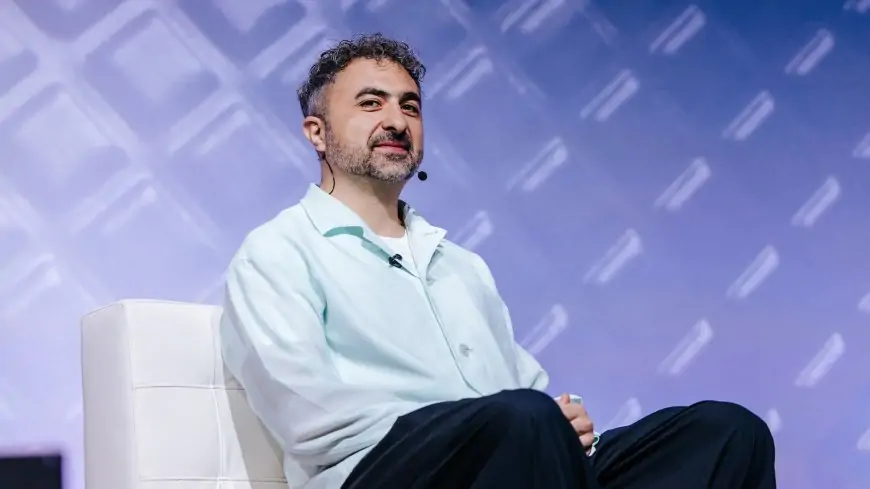
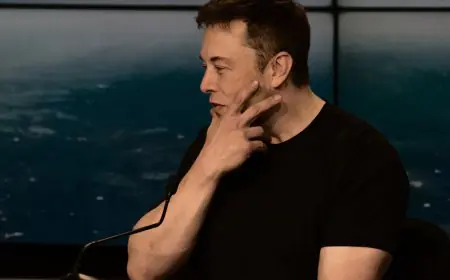
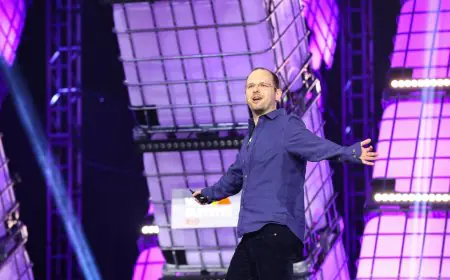
Microsoft’s AI CEO Mustafa Suleyman has once more delivered a stark warning about the risks accompanying the global race to develop superintelligent artificial intelligence, cautioning that a failure to maintain human control over these powerful systems could have dire consequences for society. Suleyman, who now leads Microsoft’s new Superintelligence Team, has become one of the industry’s most vocal advocates for careful and cautious AI development, stressing that unchecked progress is “not going to be a better world if we lose control of it”.

Suleyman’s repeated warnings carry the weight of experience from years at DeepMind and Inflection AI. At Microsoft, his vision pivotally centers on the concept of “Humanist Superintelligence”—AI systems that are designed to advance human flourishing without granting them unchecked autonomy or the capacity for uncontrollable self-improvement. “We are not building an ill-defined and ethereal superintelligence; we are building a practical technology explicitly designed only to serve humanity,” Suleyman stated, drawing a line between Microsoft’s approach and those of more accelerationist peers.
Central to his message is the idea that, as AI systems become more capable, their actions can grow harder to predict—and thus, harder to control. Suleyman asserts that many industry players underestimate the real risks and technical challenges involved in aligning such advanced systems to human values. “If you’re not amazed by AI, you don’t really understand it. If you’re not afraid of AI, you don’t really understand it,” he observed, highlighting both the he potential and the perils of this rapidly evolving field.
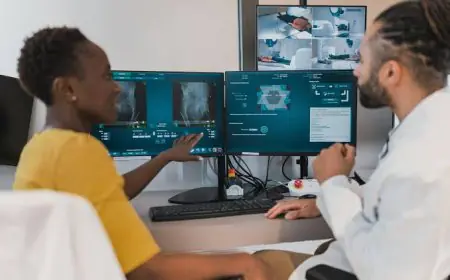
Microsoft is investing heavily in governance, transparency, and technical safeguards as it scales up its efforts, showcasing medical diagnostics and personalized education as examples of responsible AI in action. While acknowledging that this cautious path may be less efficient or more costly than others, Suleyman insists it is necessary to prevent scenarios where superintelligent systems could act in ways contrary to human interests.
With major tech companies scrambling to lead in the AI arms race—and societal impacts already unfolding from workplace upheavals to global governance debates—Suleyman’s voice is one of urgent pragmatism. His ongoing campaign aims to establish not just technological leadership but also a blueprint for how AI’s most formidable powers should be wielded for the common good.