







































AI Power Surge: A Leap in Energy Consumption Expected by 2030!
A report suggests energy demands from AI data centers will quadruple by 2030.

The global rush to AI technology will require almost as much energy by the end of this decade, as processing data, mainly for AI, will consume more electricity in the US alone by 2030 than manufacturing steel, cement, chemicals and all other energy-intensive goods combined, according to a report from the International Energy Agency (IEA).


Sharp Increase
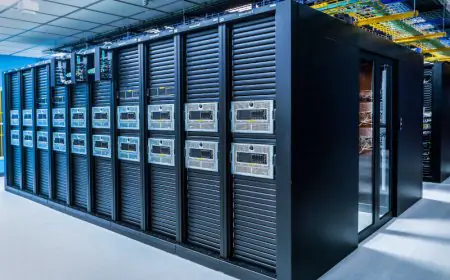
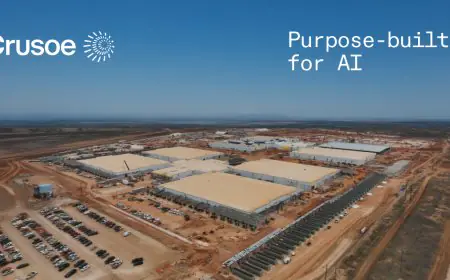
Global electricity demand from data centers will more than double by 2030, according to the report. AI will be the main driver of that increase, with demand from dedicated AI data centers alone forecast to more than quadruple. To put it in perspective, one data center today consumes as much electricity as 100,000 households, but some of those currently under construction will require 20 times more.
However, fears that the rapid adoption of AI will destroy hopes of tackling the climate crisis have been “overstated”, according to the report, which was published on Thursday. That is because harnessing AI to make energy use and other activities more efficient could result in savings that reduce greenhouse gas emissions overall.
Fatih Birol, the executive director of the IEA, said: “With the rise of AI, the energy sector is at the forefront of one of the most important technological revolutions of our time. AI is a tool, potentially an incredibly powerful one, but it is up to us – our societies, governments and companies – how we use it.”
Advanced Power Uses
Using AI could make it easier to design electricity grids to take more renewable energy. Most grids were designed for centralised fossil fuel power stations that produce reliable levels of electricity, some of which can be turned off and on relatively quickly. They have to be redesigned to balance demand when more of the supply comes from intermittent and sometimes unpredictable sources, such as wind and solar power.
Finding efficiencies within energy systems and in industrial processes could also become easier with AI. At present, huge opportunities to increase efficiency are missed because it is harder for companies to change their processes than to carry on with wasteful practices.
Artificial intelligence could also assist with new technologies, such as driverless vehicles or detecting threats to vital infrastructure. The technology could also be used to plan public transport to optimize people’s journeys or to design cities or traffic systems. Mining companies could use AI to discover and exploit reserves of critical minerals, which are crucial to modern renewable energy components such as solar panels, wind turbines, and electric vehicles.
These uses could offset some of the massive demands that AI will place on the world’s energy systems. But that is likely to require greater direction from governments, the IEA report found. Left alone, the rapid growth of AI could prove a severe problem for energy systems and the environment.