








































Big Tech Is Offering Data Center Towns Billions and Fewer Secrets
Amazon, Microsoft and Google say they no longer make local officials sign data center secrecy deals, and Amazon, Meta and Google are pledging about $1 billion apiece for host towns. Critics call it propaganda timed for the midterms.

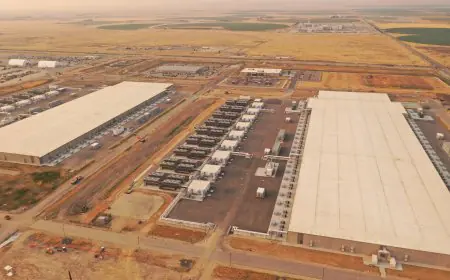
For years, the first time many Americans heard about the giant data center coming to their town was when it landed on a municipal board's voting agenda. The local officials had often known for months. They had signed non-disclosure agreements, and the tech company behind the project was frequently hiding behind a code name and a developer doing the legwork, according to an Associated Press investigation published this week.


Now the four biggest builders in America say they are changing course. Amazon, Microsoft and Google say they have stopped requiring government officials to sign NDAs. Meta says it is thinking about it. And the money is starting to flow: Amazon and Meta each say they will spend $1 billion on financial incentives for host communities in the coming years, while Google says its investment in local programs in data center communities will reach $1 billion by the end of 2027.
Call it what it is. This is a charm offensive, and it is arriving right on schedule, weeks before midterm elections in which control of Congress and 36 governors' offices is on the line and anti data center anger has become a real campaign issue.
Amazon's "Amazon Data Center Commitment," rolled out this month, also promises more disclosure of energy and water use. Google says it will pay full real property taxes on the buildings and land at all of its new data center campuses. Microsoft, which says it will forgo a couple of local tax breaks, went furthest on secrecy, saying in a blog post that it is identifying active NDAs with local governments worldwide and reaching out to coordinate their termination.
Even Microsoft leaves itself room, warning it "may not have all development details from the beginning."
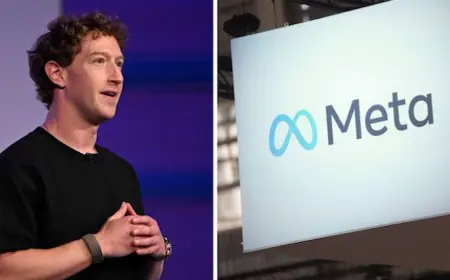
Meta is the holdout. Lindsay Elin, Meta's vice president of public policy and external affairs, told the AP:
"As part of that work, we are reviewing our use of non-disclosure agreements." Lindsay Elin, Meta
Reviewing is not ending. Until Meta says otherwise, its NDA policy stands.
Put the dollar figures in context and they shrink fast. The AP reports that Amazon, Google, Meta and Microsoft project more than $600 billion in combined capital spending this year, mostly on U.S. data centers, and together booked more than $300 billion in net income in their latest fiscal year. Three billion dollars spread over several years is a rounding error against that. Some critics simply call the payments bribes.
The people actually fighting these projects are not buying it. Sam Burleigh helped start Concerned Citizens of Montour County in rural northern Pennsylvania to oppose a potential Amazon-backed project, and he called the company's commitments "propaganda."
"What I see is them realizing they have more resistance than they ever dreamt of. And so now they have to find some way, some method to break through that resistance." Sam Burleigh, Concerned Citizens of Montour County
Kathryn Hoffman, executive director of the Minnesota Center for Environmental Advocacy, which has sued over two prospective Google data centers, told the AP she sees Google doing more public relations outreach but not disclosing more critical details about its plans. Google's Devi Thomas, its global head of community development and engagement, told the AP she would not call it a "backlash."
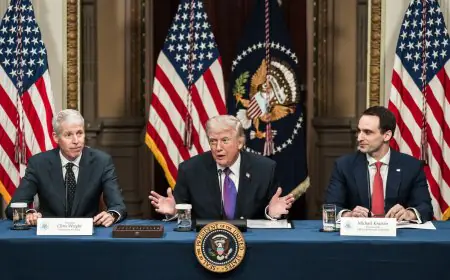
The pressure is coming from both parties. Several Senate Democrats accused the four giants this month of using NDAs to freeze out the public. An Aug. 18 memo from the Senate Republicans' campaign arm told the industry to "fix the toxic brand of an entire segment of the economy." And President Trump, who backs the buildout, posted Wednesday that companies should pay communities a "dividend" if they want their data centers to be popular, a push we covered earlier this week.
Ending NDAs is a genuine change, if the companies follow through. But these are pledges, made by the companies themselves, in an election season. The real test comes at the next zoning hearing in the next small town, when neighbors find out whether they are hearing about a project first, or last.