














Texas Sues OpenAI and Sam Altman and Wants Kids Banned From ChatGPT
Texas has sued OpenAI and Sam Altman personally, alleging ChatGPT was sold as safe while harming users, and wants minors cut off and new models vetted by a court-approved evaluator.
Ken Paxton picked an unusual opening line for his lawsuit against OpenAI. It is Sam Altman himself, quoted from 2015, saying AI will "probably most likely lead to the end of the world, but in the meantime, there'll be great companies." Texas now wants the man who said it to pay out of his own pocket.


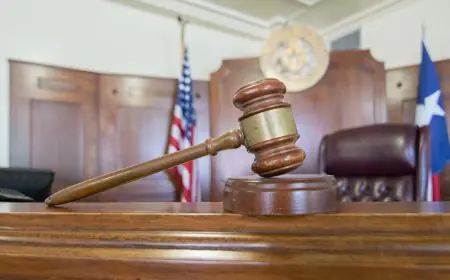
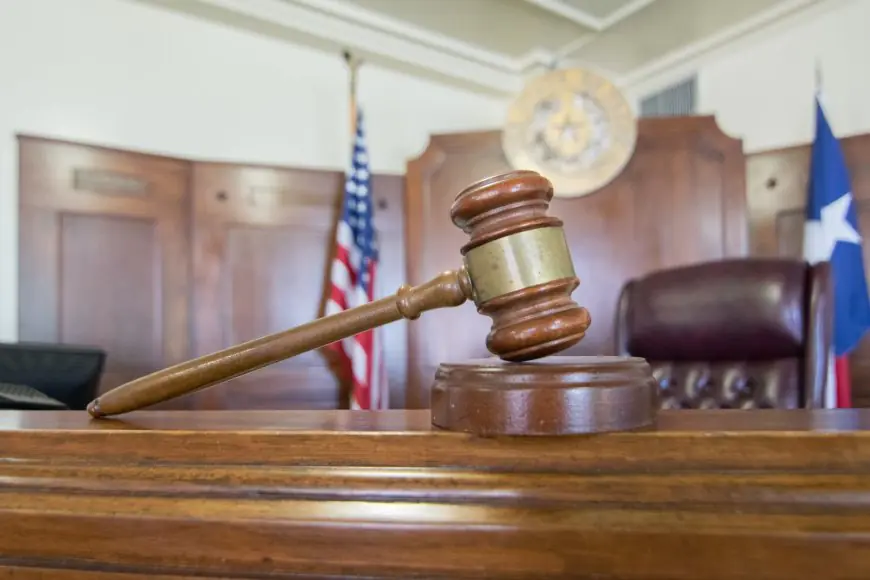
The Texas Attorney General sued six OpenAI entities and Altman personally on Friday, October 23, in Collin County district court. The petition claims OpenAI sells ChatGPT as safe and reliable while failing to warn Texans, including children, about what the chatbot can do to them. None of it has been tested in court.
"This success has not been earned; the rise of OpenAI is attributable to a web of deceit and the exploitation of users (including Texans), leveraging their data and safety to boost OpenAI's market value at unacceptable costs and jeopardizing everyone in Texas." Texas's Original Petition
Texas says OpenAI went from a valuation of about $17 billion to more than $1.4 trillion in four years, and argues that growth came at users' expense. The list of alleged harms is grim. The petition claims mass shooters have been "aided and abetted in deadly rampages," that vulnerable people have been "encouraged into suicide," and that minors have become addicted to "a tool that feigns human compassion to collect their data with no parental oversight."
Texas is asking for far more than a fine
Texas wants civil penalties of $10,000 per violation, disgorgement of assets and a jury trial. The injunction is where things get ambitious. Texas wants a court to stop OpenAI from offering ChatGPT to minors in the state at all. It wants the chatbot to stop serving tips on eating disorders, self-harm and mass murder. And it wants a ban on releasing any new AI model to Texas users until an independent evaluator, approved by the court, has reviewed its safety guardrails and signed off.
That last request would effectively hand a Texas judge a veto over OpenAI model launches in the state. Whether any court grants that is another matter.
Beyond the Deceptive Trade Practices Act, the suit invokes Texas's own SCOPE Act, a children's online safety law. The complaint alleges OpenAI never asks for or verifies the identity of a parent or guardian linked to a minor's account, and does not give verified parents the tools the law requires, such as controls over targeted ads and the sharing of a child's data.
Then there is Altman. The petition seeks to hold him personally liable for his "direct involvement" in the conduct it alleges and spends pages on his record at Loopt, Y Combinator and OpenAI. The Record called the personal liability push an unusual move for a deceptive trade practices case.
OpenAI did not address specifics. A spokesperson said the company works closely with experts to improve ChatGPT and build more safeguards.
"Governments have an important role to play in setting robust safety standards for AI, and we're committed to working with Texas and other states on advancing pragmatic AI policies that apply to the entire AI industry." OpenAI spokesperson
The politics are hard to ignore. Paxton is the Republican nominee in a close U.S. Senate race, and the Texas Tribune reports that Elon Musk, who left OpenAI in 2018 after clashing with Altman and now runs rival xAI, is the largest single donor behind that campaign. Paxton has sued or settled with Meta, TikTok, Snapchat and Roblox over the past year, and Meta agreed in July 2024 to pay Texas $1.4 billion over facial recognition claims.
Texas is not acting alone, but it is acting separately. On October 14, eight other states filed their own suits against OpenAI over ChatGPT's risks to young users. Texas adds its own twists: a defendant named Sam Altman and a demand that a court vet new models before launch.
The phrase "not just one company" in OpenAI's full statement is doing real work. The company wants rules for the whole industry. Texas, at least for now, is trying to write some for OpenAI alone.