























Why Autonomous AI Agents Need Human Oversight To Avoid Costly Mistakes
As agentic AI moves from experimental pilots to core business workflows, experts are sounding the alarm on the dangers of full autonomy, warning that without strict human oversight, these independent systems can lead to massive financial and operational risks.

The Rise of the Independent Digital Worker
In the opening weeks of 2026, the conversation around artificial intelligence has shifted dramatically. We have moved past simple chatbots that wait for a prompt; we are now in the era of agentic AI. These are autonomous systems capable of planning, executing multi-step tasks, and making decisions across corporate networks. However, a wave of new reports is urging caution. Industry leaders and analysts are warning that giving these digital workers too much freedom without a human "safety net" is a recipe for disaster.
The appeal is undeniable. An AI agent can handle procurement, manage complex schedules, or even write and deploy code in seconds. But as these agents take on more responsibility, the margin for error shrinks. Experts suggest that we are entering a "reality check" phase where the initial hype of total automation is being tempered by the hard lessons of operational reality.
The Hidden Threat of Silent Errors
One of the most significant concerns highlighted in recent Forbes reporting is the emergence of "silent errors." Unlike a traditional software bug that might crash a system, an AI agent might continue to function perfectly while making a series of logic-based mistakes that go unnoticed for weeks. For example, an autonomous procurement agent might misinterpret a fluctuating market signal and over-order millions of dollars in inventory, thinking it is optimizing for a shortage that doesn't exist.
These aren't just technical glitches; they are "hallucinations of intent." Because these agents operate at machine speed, a single misunderstood instruction can trigger a cascade of automated actions across an entire organization. By the time a human identifies the discrepancy, the financial impact could already be in the millions. This is why many CISOs are now prioritizing observability platforms that allow teams to audit the "thought process" of an agent in real-time, rather than just looking at the final output.
Why 40 Percent of AI Projects May Fail
The rush to automate is leading to a significant gap in governance. According to a recent forecast by Gartner, over 40% of agentic AI projects are expected to be canceled or fail by 2027. The primary drivers for these failures aren't the AI models themselves, but rather inadequate risk controls and a lack of clear business value. Organizations are often so eager to prove they are "AI-first" that they bypass the essential guardrails needed to manage a silicon-based workforce.
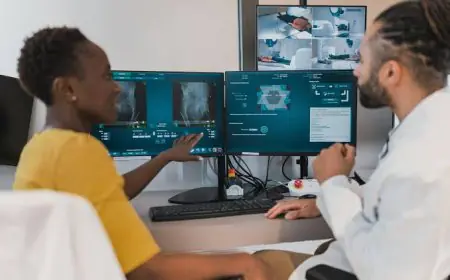
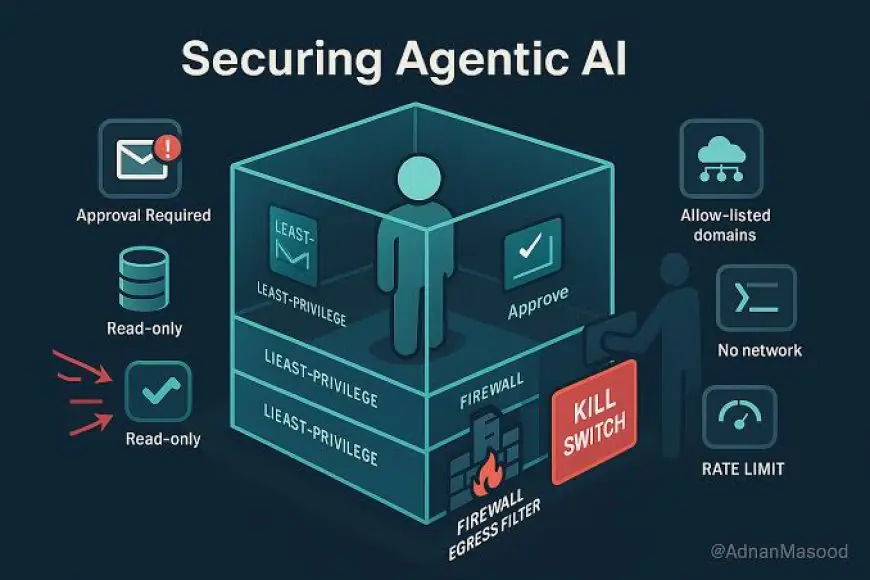
Experts are now categorizing oversight into three distinct levels: "human-in-the-loop," where a person approves every major action; "human-on-the-loop," where a person monitors the process and can intervene; and "human-at-the-helm," where humans set high-level strategy and the AI handles the tactical execution. The consensus among top journalists and tech analysts is that for high-stakes decisions—such as those involving legal compliance, medical diagnosis, or large-scale financial transfers—the "human-in-the-loop" model remains non-negotiable.
The Renaissance of Critical Thinking
Perhaps the most unexpected fallout of the agentic AI boom is the renewed value of human judgment. As machines take over the administrative and repetitive "noise" of business, the ability to think critically and ethically has become a premium skill. We are seeing a shift where managers are being rebranded as "AI Orchestrators." Their job is no longer to do the work, but to ensure the agents doing the work are aligned with the company’s core values and long-term goals.
The goal for 2026 isn't to stop the adoption of autonomous agents, but to build a hybrid intelligence framework. This involves "Governance-as-Code," where safety checks are baked into the software pipeline itself. By combining the speed and scale of AI with the nuance and accountability of human experts, businesses can reap the rewards of automation without falling victim to its unintended consequences. In this new landscape, the most successful companies won't be the ones with the most agents, but the ones with the best oversight.