













Elon Musk Floats a SpaceX Tesla Merger and Wall Street Flinches
Musk called a SpaceX and Tesla tie-up a good idea and revealed both boards are exploring one, but no proposal exists and shares slid. Analysts say the real prize is control of his AI empire.
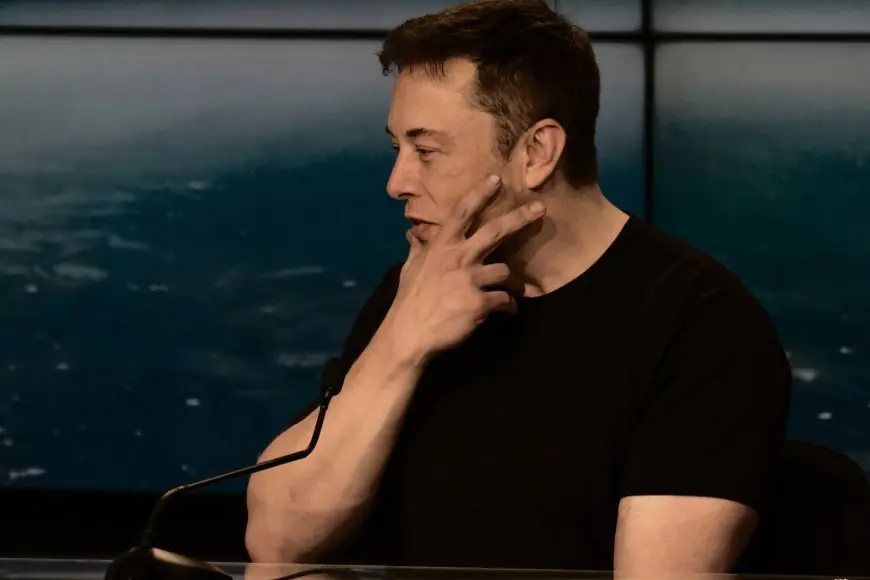
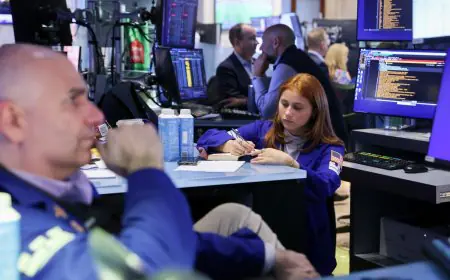
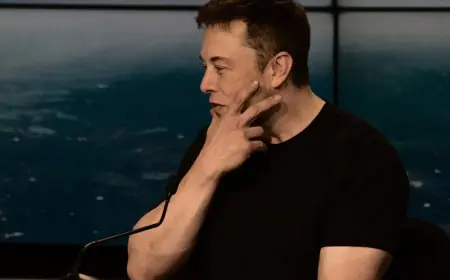
Elon Musk spent two earnings calls this week trying to talk about a SpaceX and Tesla merger without quite talking about it. The market listened anyway, and it did not like what it heard. On Thursday, SpaceX shares plunged 9%, dragging the stock back below where it opened after its June market debut, while Tesla slipped 3% and now sits 17% down for the year, according to CNBC.


To be clear, there is no deal, no terms and no proposal. There is a CEO who thinks a combination would be a good idea and two boards that have each formed special committees of independent directors to look at one.
"Do I think it would be a good idea? Yes." Elon Musk, SpaceX Q3 earnings call
He said that Tuesday on SpaceX's third quarter call, admitting he was "tap dancing through a minefield." On Wednesday's Tesla call he said he had "said everything that should be said," and Tesla's investor relations chief said executives "will not be addressing" it.
Musk also tried to cool the fan base. "I think some people out there assume that a SpaceX and Tesla Motor is a certainty, and I think that would be overstating it," he said, per TechCrunch. He said the committees have not agreed on terms of any transaction, and that because he is a conflicted party he cannot sit in on their talks, calling the arrangement "an odd kabuki dance."
The AI pitch, and the control question
The bull case is pure AI. Musk said on the SpaceX call that there is "a lot of merit to combining the companies as we are pretty much in the superintelligence singularity," citing SpaceX's orbital AI data center project Starmind and Terafab, the companies' joint chip manufacturing effort. SpaceX already absorbed xAI earlier this year in a deal that valued the combination at $1.25 trillion, and in August it closed its $60 billion purchase of AI coding startup Cursor. Tesla brings humanoid Optimus robots and a robotaxi program that, as CNBC notes, is still very early. Its wheel-free Cybercabs drew a federal safety probe in Austin.
William Blair analysts aren't buying it. In a Thursday note they said the push is about control, not stronger businesses.
"We are hard-pressed to find a material opportunity that could only be achieved by an official combination." William Blair analysts
That is the uncomfortable math. SpaceX is worth close to $2 trillion and Tesla around $1.5 trillion, CNBC reports, which would likely make SpaceX the acquirer in any stock swap. At SpaceX, Musk holds 10-to-1 supervoting shares and almost 80% of the voting control. At Tesla he beneficially owns 19.8%. Folding the company where shareholders can push back into the one where they effectively cannot would tighten his grip on everything from Starlink to Grok to Optimus. William Blair's note argued Musk already runs the two "almost as if they are one entity."
Tesla shareholders are the real gate. Musk said a deal would need the backing of 50% of all Tesla shares, not just those cast, which he called "quite a high hurdle."
Columbia law professor Eric Talley told CNBC a merger could at least end fights over which company houses which AI project, disputes that "caused dyspeptic feelings amongst shareholders, and some lawsuits."
Then come the regulators. Former Tesla board member Steve Westly told CNBC he expects the companies to move fast on a proposal, ideally "before the elections if they possibly can," with the midterms less than two weeks away. That is his opinion, not a company timeline. Westly also flagged China, which accounted for 22% of Tesla's revenue last year. Talley said Beijing's national security regulator would likely take a keen interest, given the "hundreds of thousands of Teslas, computers on wheels" on Chinese roads and a Starlink network that feeds data to the U.S. government.
So the state of play is a CEO who wants it, committees he cannot join, a Tesla vote he calls a high hurdle and a regulatory gauntlet stretching to Beijing. Investors priced in the friction first. If Musk does get his AI empire under one roof, the bill for building it is already showing up in the share price.