









































Why OpenAI Models on Google Cloud Matter More for Billing Than for Tech
OpenAI's models and Codex are coming to Google Cloud, and enterprises will be able to pay for them out of existing Google spend commitments. It puts GPT on all three major US clouds and makes Microsoft's role as primary partner look a lot less exclusive.
For most of the past decade, Google was the company OpenAI was built to beat. CNBC notes that OpenAI was founded in 2015 partly as a counterweight to the concentration of AI research at places like Google. On Wednesday, the two agreed that Google will sell OpenAI's models to its own cloud customers.


OpenAI announced on October 21 that its frontier models and Codex agentic workflows are coming to Google Cloud's Model Garden, with general availability "planned in the coming weeks." The company says the models will also arrive "soon" in Google Antigravity, Google's coding tool, and in the Gemini Agent. That puts GPT models inside products that exist largely to showcase Gemini.
The real hook is the billing line
Model access alone is not much of a story. Developers have been able to call OpenAI's API from any cloud for years. The detail that matters sits in one plain sentence of OpenAI's post. Google Cloud customers will buy the models through the Google Cloud Marketplace, and "enterprises with Google Cloud spend commitments will be able to draw down their GCP commitments for these purchases."
That changes the procurement math. Large companies sign multiyear cloud deals and then hunt for ways to use up that committed spend. Until now, a Google Cloud shop that wanted GPT models faced a separate vendor contract and budget line. Now OpenAI usage can count against money already promised to Google. For a CIO, that turns the question from "should we add a vendor" into "which model do we pick from the catalog we already pay for."
Three clouds, one primary partner
The Google deal finishes a fast unwinding of OpenAI's single-cloud era. According to CNBC, OpenAI said less than six months ago that Microsoft would no longer hold the exclusive license on its intellectual property, and Amazon unveiled plans to host OpenAI models the day after that exclusivity ended. Amazon started hosting them in April. With Google on board, OpenAI's models will sit on all three of the largest US cloud providers.
OpenAI was careful to close its announcement with a single line: "Microsoft remains OpenAI's primary cloud partner." That is a reassurance, and also a sign of how much the word "primary" now has to carry.
The executives framed it as a matter of customer choice.
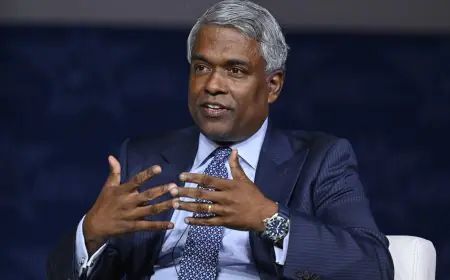
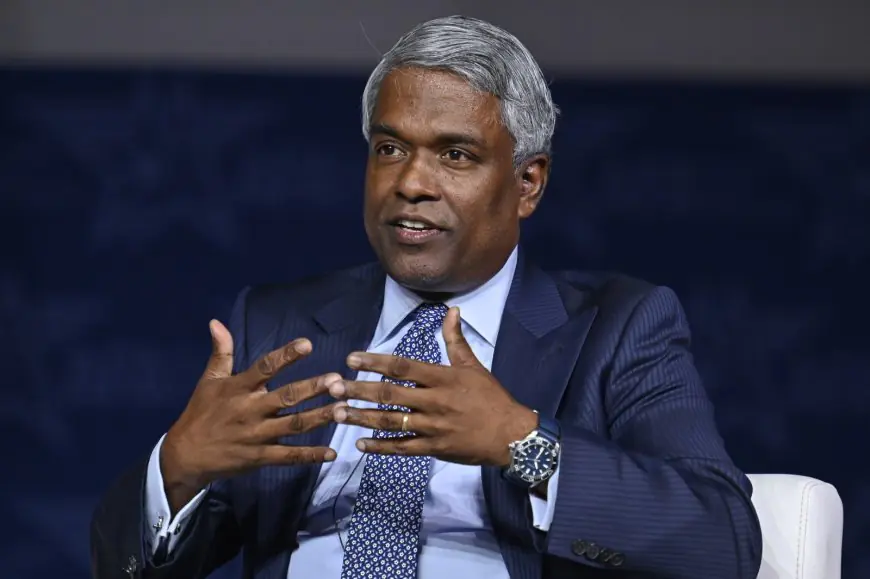
"We are focused on giving customers a broad selection of models, including those from OpenAI, so they can choose the right model for any given job, helping to deliver optimal quality and lower costs." Thomas Kurian, CEO of Google Cloud
Greg Brockman, OpenAI's president and co-founder, called the partnership "an important step in making our most capable models and Codex available where customers are already building."
Why Google would sell a rival's product
On the surface, Google is giving shelf space to the competitor its Gemini team is trying to beat. The numbers CNBC cites suggest why it is willing to. Most business AI spending goes to OpenAI and Anthropic, according to data from corporate card issuer Ramp, while Gemini has found a place in some corporate IT departments. If customers are going to spend on GPT models anyway, Google would rather that spending run through its marketplace and count toward its cloud revenue than leak to Azure or AWS.
Google's cloud business is also growing fast. CNBC reports that annualized revenue growth in the segment accelerated to about 82% in the second quarter from 63% in the first, compared with second-quarter cloud growth of 37% at Amazon and 42% at Microsoft. All three report quarterly results next week.
For OpenAI, the logic is distribution. CNBC frames the move as part of a push to build an enterprise business beyond ChatGPT's consumer base, at a time when the company is courting investors at a reported $1.4 trillion valuation and targeting an IPO.
The two companies are not strangers. OpenAI said last year that it was using Google's cloud to run ChatGPT and its API. Back then, Google sold OpenAI computing power. Now it sells OpenAI's models too. The open questions are how fast the models actually reach general availability, and how Microsoft responds when its rivals can offer the same models through billing customers already use.