





































AMD Ryzen AI Embedded P100 Series is Winning the Edge Computing Race
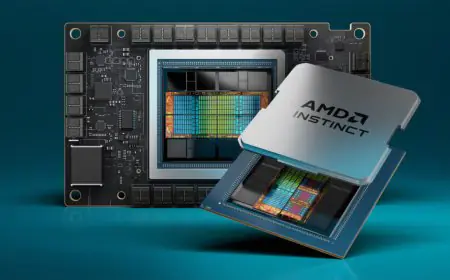
AMD has officially expanded its silicon portfolio with the Ryzen AI Embedded P100 Series, a family of processors specifically designed to bring high-speed AI inference to the "edge." By integrating dedicated Neural Processing Units (NPUs) into industrial hardware, AMD is enabling robots and factory systems to think locally, bypassing the latency and security risks of the cloud.
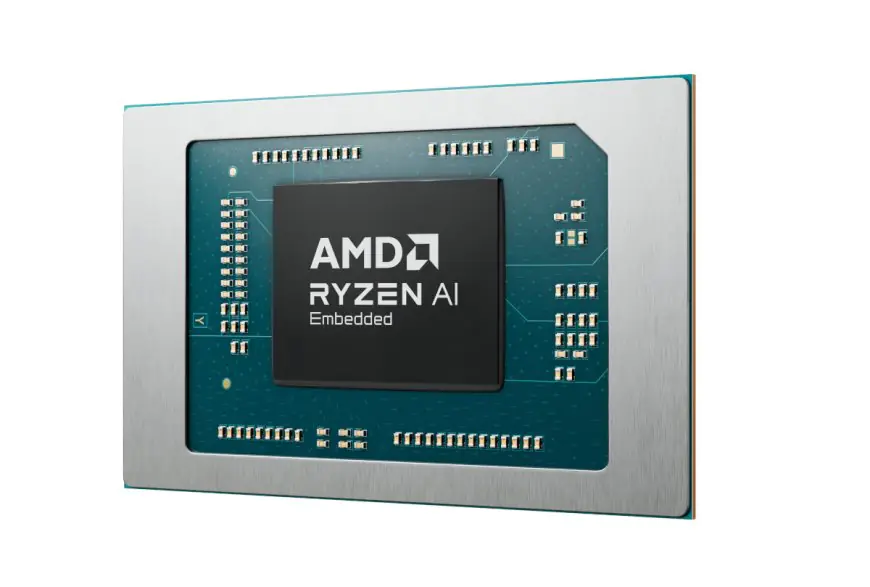


The race for artificial intelligence dominance has officially moved from massive, chilled data centers to the gritty, high-stakes environment of the factory floor. In a significant move to capture the rapidly growing "Edge AI" market, AMD has unveiled its Ryzen AI Embedded P100 Series. These aren't your typical desktop processors; they are highly specialized chips designed to live inside autonomous robots, medical imaging devices, and smart industrial sensors where split-second decision-making is a matter of safety and efficiency.
For years, the biggest hurdle for industrial AI was its reliance on the cloud. If a robotic arm in a warehouse needs to "see" an object and decide how to grip it, sending that image to a server a thousand miles away and waiting for a response creates a lag that makes high-speed automation impossible. With the P100 Series, AMD is effectively putting a high-performance brain directly into the machine's "body." By processing data locally, these systems can operate with zero latency, ensuring that autonomous mobile robots (AMRs) can navigate crowded floors without missing a beat.
The Power of the Dedicated NPU
What sets the Ryzen AI Embedded P100 Series apart from standard embedded chips is the integration of the XDNA architecture. This dedicated Neural Processing Unit (NPU) is specifically tuned for AI workloads like object detection, signal processing, and predictive maintenance. Unlike a traditional CPU that handles general tasks or a GPU that focuses on graphics, the NPU is a specialist. It executes AI math with extreme energy efficiency, which is a critical factor for fanless industrial computers and battery-powered robotics.
According to AMD’s technical briefings, the P100 Series offers a significant jump in TOPS (Tera Operations Per Second) compared to previous generations. This allows engineers to run complex machine-learning models—like those used for real-time defect detection on a high-speed assembly line—without needing a bulky, power-hungry external graphics card. It is a "system-on-chip" solution that simplifies the hardware design for manufacturers while significantly boosting the machine's intelligence.
Why Security and Latency Drive the Shift to Edge AI
Beyond speed, the shift toward on-device AI is being driven by a growing concern for data sovereignty and security. In sensitive environments like hospitals or smart cities, sending private data to a third-party cloud provider is often a legal or ethical non-starter. By keeping the AI inference "on the edge," companies can ensure that their proprietary data and their customers' privacy never leave the local network. This makes the P100 Series an attractive option for the next generation of smart medical devices that require real-time diagnostic AI at the bedside.
As noted by Embedded.com, the software ecosystem is also catching up to the hardware. AMD is providing a robust suite of tools that allow developers to easily port their existing models from popular frameworks like PyTorch and TensorFlow directly onto the P100 silicon. This "plug-and-play" approach for AI models is lowering the barrier to entry for smaller engineering firms that want to modernize their products without hiring an army of specialized data scientists.
Looking Toward a Swarm of Intelligent Machines
The launch of the P100 Series arrives at a time when "swarm intelligence" and collaborative robotics are moving from research labs to real-world applications. When multiple robots work together, they need to communicate and process information locally to maintain synchronization. AMD's focus on high-throughput, low-power AI inference is essentially providing the infrastructure for these multi-agent systems to thrive in the wild.
As we head further into 2026, the distinction between a "dumb" machine and an "intelligent" one will be defined by the silicon inside it. With the Ryzen AI Embedded P100 Series, AMD isn't just selling chips; they are selling the ability for machines to perceive and react to the world in real-time. For industries looking to automate the future, the message is clear: the cloud is no longer the only place where intelligence lives. The edge has finally arrived.