



































Microsoft plans to triple AI data-center capacity to 38GW+ by 2032
Microsoft plans to more than triple its global data center capacity from roughly 12 gigawatts today to over 38 gigawatts by 2032, with AI-specific infrastructure growing sixfold to make up about a third of that footprint, following capacity shortages that forced the company to turn away paying customers.
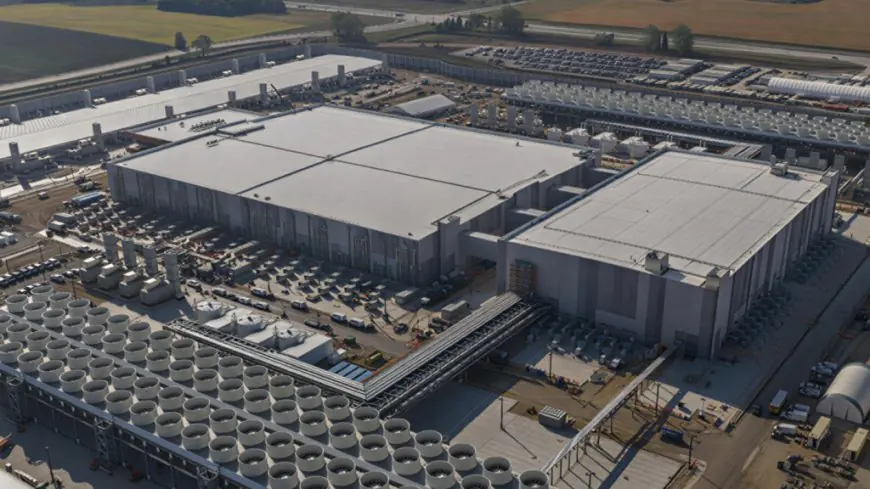
Microsoft's cloud business hit a wall this year, and the company's answer is the largest infrastructure build in its history.


Bloomberg reported that Microsoft plans to grow its global data center footprint from roughly 12 gigawatts today to more than 38 gigawatts by 2032 — a threefold increase driven directly by capacity shortages that forced Azure to turn away paying customers and redirect GitHub traffic elsewhere over the past year.
The expansion isn't just about raw square footage — it's a deliberate reweighting toward AI-specific hardware. A few numbers capture the scale of the shift:
- AI-dedicated capacity is expected to grow from just 2 gigawatts today to roughly one-third of the entire 38-gigawatt footprint — more than a sixfold jump
- The buildout spans both owned and leased facilities, including large contracts with neocloud providers like CoreWeave, Nscale, and Nebius
- Capital expenditures have climbed from $55.7 billion in 2024 to $145.3 billion in 2026, with $175 billion projected for 2027
Sources cautioned the roadmap could still shift, since data centers take years to build and customer demand or new chip technology could change the math along the way.
Microsoft is already breaking ground on pieces of that plan, including a 2-gigawatt campus in Pecos, Texas. But the buildout faces real friction: construction moratoriums in Texas and New York, grid connection queues running four to seven years, and mounting public pushback over land and energy use in the communities where these facilities land — meaning the gap between Microsoft's 38-gigawatt target and what actually gets built may come down to politics as much as capital.