







































OpenAI Is Expanding Beyond Microsoft And What It Means For The AI Market
OpenAI’s decision to distribute its models across AWS and Google Cloud marks a major shift away from Microsoft exclusivity, signaling increased competition, flexibility, and independence in the AI industry.
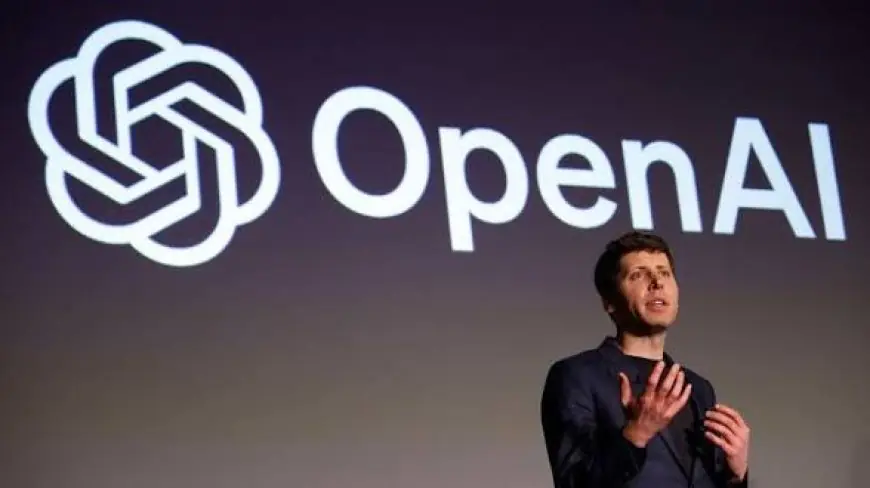


The artificial intelligence industry is entering a new phase of competition as OpenAI reshapes one of the most closely watched partnerships in tech. After years of operating largely within Microsoft’s ecosystem, the company is now expanding its reach, making its models available across multiple cloud platforms, including Amazon Web Services and Google Cloud. While Microsoft Azure remains a key partner, the shift signals a strategic move toward greater independence and broader market access.
For years, Microsoft’s deep investment in OpenAI positioned Azure as the primary gateway for accessing some of the most advanced AI models in the world. That exclusivity gave Microsoft a significant edge in the cloud computing race. However, the new arrangement changes the dynamics. OpenAI can now distribute its technologies more widely, allowing enterprises to integrate its models into their preferred cloud environments without being locked into a single provider.
This decision reflects a larger trend within the AI ecosystem—flexibility is becoming just as important as innovation. Businesses no longer want to depend on a single vendor for critical infrastructure. By expanding availability, OpenAI is effectively meeting enterprise demand for choice while positioning itself as a neutral player in a highly competitive market. According to insights from Amazon Bedrock, organizations are increasingly seeking unified platforms where they can access multiple AI models without complex migration processes.
Another key element of this shift is the restructuring of financial arrangements. The updated partnership reportedly removes certain revenue-sharing mechanisms tied to Microsoft’s cloud services. This gives OpenAI more direct control over how it monetizes its technology and distributes profits. It also suggests a long-term strategy focused on building a sustainable, standalone business rather than relying heavily on a single corporate partner.
At the same time, the move intensifies competition across the cloud computing landscape. Google Cloud, which has been steadily investing in its own AI capabilities, now gains access to OpenAI’s models as part of its offerings. Details on enterprise integrations can be explored via Google Cloud, where the focus is increasingly on combining infrastructure with advanced AI tools. This creates a more level playing field among major providers and gives customers stronger negotiating power.
For developers and enterprises, the benefits are immediate. Greater accessibility means faster deployment, improved scalability, and the ability to experiment with different environments without significant technical barriers. It also encourages innovation, as companies can now combine OpenAI models with other tools and services in ways that were previously restricted by platform limitations.
Still, this transition raises important questions about the future of strategic partnerships in AI. Microsoft remains deeply integrated with OpenAI’s roadmap, and Azure will continue to play a central role through 2032. But the balance of power is clearly shifting. OpenAI is no longer just a partner within a larger ecosystem—it is positioning itself as a platform provider with its own independent trajectory.
Ultimately, this move signals a broader transformation in how AI technologies are distributed and commercialized. The era of tightly controlled, exclusive access is giving way to a more open and competitive environment. As OpenAI expands its footprint across multiple cloud platforms, it is not just increasing its reach—it is redefining how the AI market operates, setting the stage for faster innovation and more dynamic competition in the years ahead.