































42 Attorneys General Ask a Court to Stop Character.AI Selling Chats From 21 Million Accounts
A coalition of 42 attorneys general wants a bankruptcy judge to reject Character.AI's December 1 auction of its platform and users' private chats, saying the deal hands sensitive data, including minors' accounts, to a brand new buyer with no strings attached.
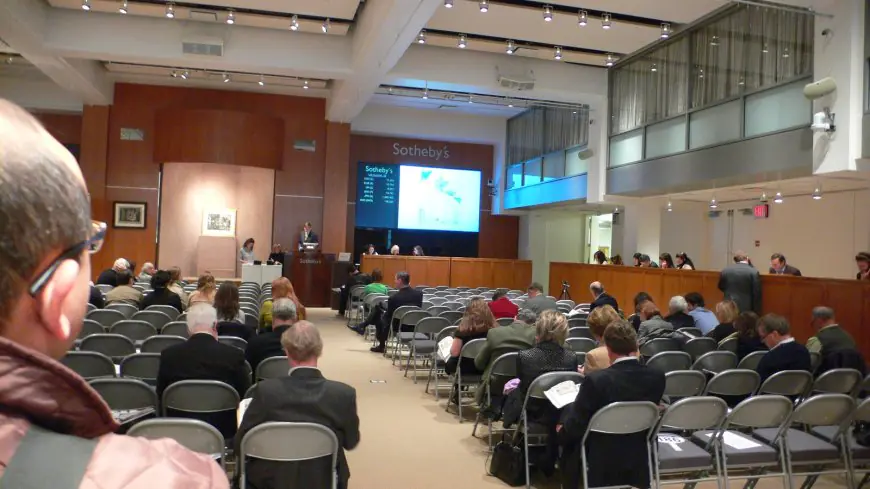
Character.AI told its users, in its own privacy policy, that "we do not sell personal information for monetary consideration." Now the bankrupt chatbot company wants to auction its platform on December 1, and according to a coalition of 42 attorneys general, that sale would include the private chat histories of more than 21 million U.S. accounts. On Tuesday, California Attorney General Rob Bonta and Connecticut Attorney General William Tong announced that the states are asking the federal bankruptcy court to reject the deal as written.


We covered the Chapter 11 filing back in October, when nobody had bid for the user data yet. Somebody has bid now.
According to the California Department of Justice, the auction covers "nearly everything Character.AI owns," including chats, account details, IP addresses and other metadata. The states say more than 2.1 million of the accounts are registered to minors. They also say many of the chats touch on deeply personal subjects, including mental health.
A buyer that is 12 days old
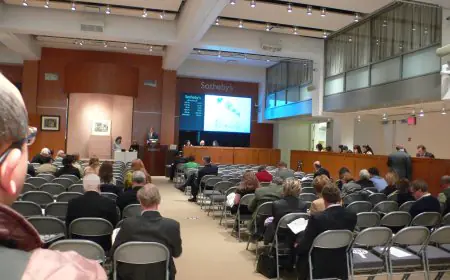
The only bidder disclosed so far is Smirks and Pangs Acquisition LLC. The states say it was registered as a Delaware company on November 13, one day before Character.AI picked it as the base bid for the auction. According to the attorneys general, the sale contract names no parent company or investors, allows foreign investors whose names would go only to Character.AI, and requires the buyer to hire just one employee: Character.AI's top lawyer. The company, the states note, told the court the bidder has no ties to it.
Some fog lifted Tuesday. In a Delaware bankruptcy court filing, Character Technologies disclosed that Smirks and Pangs is a wholly owned subsidiary of Octave Fund I LLC, another Delaware entity. PPC Land, which has tracked the docket, reports that the bid is worth $10 million and that Judge Brendan L. Shannon said at a hearing Tuesday afternoon he was prepared to approve Smirks and Pangs as the opening bidder.
"Character.AI’s plan to auction off its platform, including the IP addresses and private chats histories of its users, many of them children, with zero protection for those users is appalling." Rob Bonta, California Attorney General
Here is what the coalition wants. The states ask the court to deny the proposed sale terms, reject Smirks and Pangs as the lead bidder, and refuse its proposed $350,000 break-up fee, which it would collect if Character.AI sells to someone else. At a minimum, they say, any sale must leave out kids' chats and other sensitive data and attach conditions that protect users.
Their legal theory is blunt: bankruptcy does not erase privacy law. The states point to the federal rule barring companies from sharing personal information about children under 13 without verified parental consent, and to state laws including the California Consumer Privacy Act. As the deal stands, they argue, the buyer would not have to follow Character.AI's privacy policies, honor opt out or deletion requests, or refrain from passing the data on to someone else.
"Now they want to abuse the bankruptcy process to do exactly what they said they wouldn’t do." William Tong, Connecticut Attorney General
Character.AI has pushed back, at least on the bidder. In a reply filed Monday and quoted by PPC Land, the company argued that denying the designation "does not protect any party" and would "remove a $10,000,000 price floor" one business day before bids were due. That reply answered the U.S. Trustee and Texas, not the coalition directly.
None of this is a ruling on the sale itself. The auction is still on the calendar for December 1, and PPC Land reports the sale hearing, where the court will weigh the states' objections, has moved to December 7 and 8. Nothing has been blocked.
The stakes go past one company. A promise not to sell your data is only worth something if it survives the moment a company runs out of money. If a court lets millions of private conversations go to a fund nobody can see into, every privacy policy on every chatbot app starts to read like a suggestion.