









NHS Begins AI Breast Screening Trial for Nearly 700,000 Women, With a Specialist on Every Scan
The NHS has started recruiting for EDITH, billed as the world's largest trial of AI-assisted breast screening, to test whether AI can stand in for one of two human readers. Every mammogram will still be checked by at least one specialist, and women can opt out.
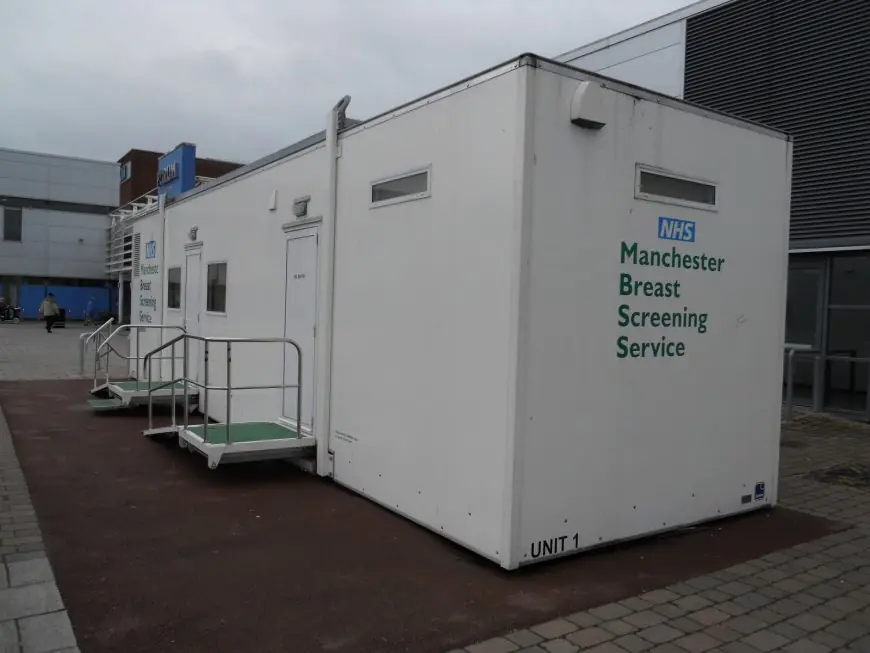
The NHS has started signing women up for a test of whether artificial intelligence can share the work of reading mammograms. Nearly 700,000 women across the UK are to be invited into a trial called EDITH, which the University of Cambridge and the BBC both describe as the largest of its kind in the world. Recruitment has begun at Cambridge University Hospitals, the first of 30 sites, according to the BBC.

Be clear about what this is. It is the start of an experiment, not a verdict. Nobody has shown that this setup finds more cancers in the NHS programme. Cambridge says the NHS will only change how screening works if the evidence shows it is as safe and effective as the care women receive now.
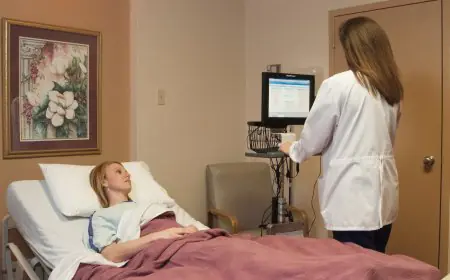
Nothing changes at the appointment itself. Cambridge says the trial only affects how the images are reviewed after they are taken, and that every mammogram will still be reviewed by at least one human radiologist.
"Every scan will still be seen by a specialist, and if proven effective, it could ensure women get the diagnosis and treatment they need sooner." Professor Peter Johnson, national clinical director for cancer at NHS England, speaking to the BBC
One reader instead of two
Right now two NHS experts read every mammogram, and Cambridge says fewer than 1% show signs of cancer. The BBC puts the trial design bluntly: one of the two human readers will be replaced by AI. That swap is the experiment, not the new standard of care.
The Health Research Authority summary of the study lays out three groups. Some women get standard screening with two NHS readers. In a second group, the AI checks after the human expert for cancers that might have been missed. In a third, the AI goes first and flags images as high or low risk. The HRA says all images will be read by a human expert, with final decisions about cancer detection made by standard human arbitration. Its protocol plans for 660,000 women at 30 centres in England, with Scotland, Wales and Northern Ireland still being explored.
The HRA says women will be followed for a further four years through cancer registries to see whether cancers show up later. That long tail matters, because a tool that spots more can also spot things that never needed treating.
"AI-assisted technology could help improve early cancer detection but we want to avoid the overdiagnosis of milder disease that would never have caused symptoms." Professor Sian Taylor-Phillips, University of Warwick, co-chief investigator, speaking to the BBC
The BBC notes that several smaller studies have suggested AI can improve detection rates, but the researchers say they need to be sure it will not lead to women being recalled for further tests they did not need. That is a far more sober question than the AI beats doctors headlines that followed Microsoft's diagnosis study last month.
Taking part is not compulsory. Cambridge says the invitation letter will explain the trial and how to opt out. The HRA says women attending participating centres are included unless they opt out because they would rather their images were not looked at with the help of AI.
The 10 million pound trial is funded by the National Institute for Health and Care Research and led by Warwick, Cambridge and Cambridge University Hospitals, according to Cambridge. The BBC says four AI companies are involved, without naming them, and that the trial is expected to last around three years.
The pressure behind it is staffing. Professor Fiona Gilbert of Cambridge, the other co-lead, told the BBC there is a "huge shortfall" in radiologists and that imaging examinations are rising by 8% a year. Cambridge says around 2.1 million women in the UK are screened each year, and that screening helps prevent around 1,300 deaths.
Health Secretary Yvette Cooper, visiting Addenbrooke's Hospital, said "AI has huge potential, but we also need proper safeguards in place." In this case the safeguard is the trial itself. If the evidence does not hold up, Cambridge says routine screening stays as it is.