













Judge Grants Former OpenAI Engineer a $1 Million Bond and Says There Is No Spy Story
A San Francisco magistrate judge ruled that the former OpenAI engineer accused of bugging a company conference room can leave jail on a $1 million bond with an ankle monitor while he awaits trial. He has pleaded not guilty, and the judge said the government has only the wiretapping charge.
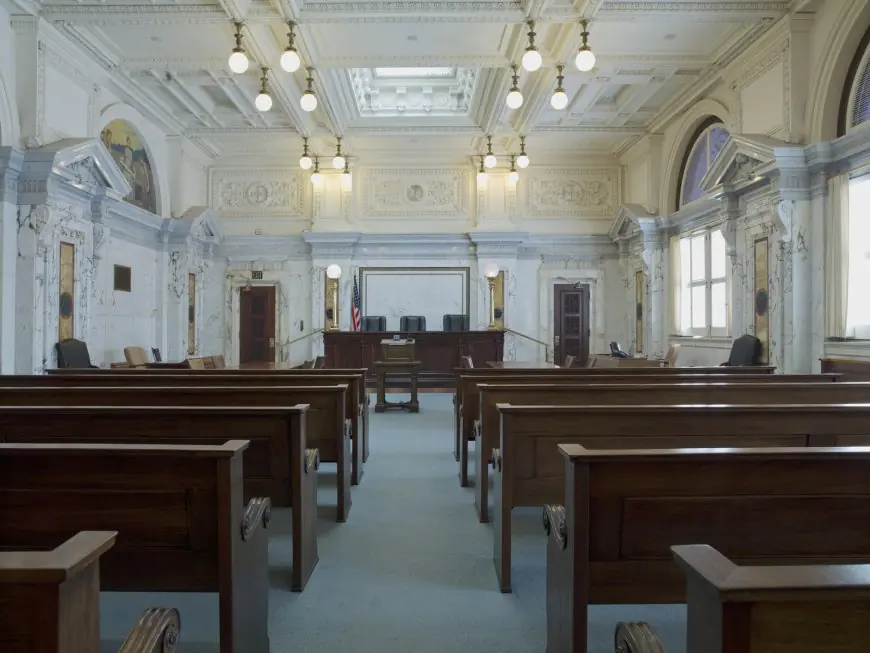
A federal magistrate judge in San Francisco ruled Tuesday that Abdulrahman Alfozan, the former OpenAI engineer accused of planting a listening device in the company's headquarters, can leave jail on a $1 million bond while he awaits trial. U.S. Magistrate Judge Alex G. Tse said the government did not have enough evidence to keep holding him, Courthouse News reported from the hearing.


Alfozan, 35, is expected to be released on Wednesday and fitted with an ankle monitor, his attorney David Rizk told CNBC. He has pleaded not guilty to a single count of intercepting oral communications. A release order is not an acquittal or a finding on the evidence, and Tse said detention could be revisited if more comes in.
"We release based on what we have and revisit when you have more information. I think I am stuck with the record as it is and whether or not it is enough to detain him based on the charge you have." Magistrate Judge Alex G. Tse, per Courthouse News
The conditions are tight. According to Courthouse News, half of the $1 million is coming from Alfozan directly, and three close friends agreed to act as sureties. He must wear an ankle monitor, keep a curfew, and stay away from OpenAI employees and OpenAI materials, except for what he receives in discovery.
It is a reversal. Tse ordered him detained on October 19, Courthouse News reported.
The judge pushes back on the bigger theory
The sharpest moment came when Tse turned to the government's earlier hints that it might pursue economic espionage or trade-secret theft charges. He saw no concrete evidence for it.
"There is no spy story that we are talking about right now. The government does not have anything. The government just has the wiretapping." Magistrate Judge Alex G. Tse, per Courthouse News
That matters. Alfozan has not been charged with espionage, trade-secret theft or acting as a foreign agent.
Prosecutors fought the release. In its written response, the San Francisco U.S. Attorney's Office argued Alfozan remains a flight risk because of his "considerable resources and ties to Saudi Arabia," CNBC reported, and said his request "blithely dismisses the seriousness" of the charge. At the hearing, Assistant U.S. Attorney Nicholas Parker pointed to his wife's reported ties to the Saudi royal family and his communications about possible future job offers in the kingdom, according to Courthouse News.
Tse was not persuaded. He said it is not illegal for Alfozan, a Saudi national and U.S. permanent resident, to keep a relationship with his home country or to want to move back one day. "The evidence of him going back to Saudi Arabia, I don't see how that translates to him going to flee," the judge said, per Courthouse News.
Rizk argued the evidence shows professional networking, not spying, and that fleeing would cost Alfozan most of his net worth and betray his best friends, per Courthouse News.
The judge did not wave the charge away. He called the alleged conduct "highly abnormal."
"I don't think it is normal to be bugging where Sam Altman is having meetings; I don't think that is normal networking activity." Magistrate Judge Alex G. Tse, per Courthouse News
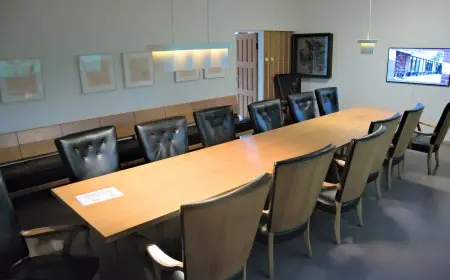
Prosecutors allege a recording device was found around September 30 in an executive conference room and that recordings of OpenAI meetings turned up on Alfozan's personal computer. Their Monday filing, which we covered earlier, made further untested allegations. If convicted, he faces up to five years in prison, a $250,000 fine and possible deportation, according to the government.
Rizk told CNBC: "We are simply grateful that the Court made the right decision to release Mr. Alfozan and now we look forward to defending the case." He told Courthouse News he plans to push back the January trial date. The docket lists a December 8 status conference and jury selection on January 20. OpenAI did not immediately respond to CNBC's request for comment.