









































Meta Brings Muse to Britain and Says the AI Agent Will Ask Before It Emails or Buys
Meta launched its Muse personal AI agent for UK adults on Tuesday, promising it will ask before sending email or spending money. POLITICO says regulators are watching, after Reuters reported staff concerns about undesired actions that Meta called isolated incidents.

Meta wants Britain to hand over its life admin. Muse, the company's personal AI agent, went live for UK adults on Tuesday, pitched as a helper that will chase a refund, book the train or grind through the Christmas shopping, and then stop and ask before it actually sends an email or spends a penny.


That pause is the whole sales pitch. In its UK launch announcement, Meta says Muse is available from today to anyone aged 18 and over on iOS, Android, muse.ai and WhatsApp. It is free for most of what people need, with optional subscription plans for heavier use. The agent runs on Muse Spark, which Meta calls the first model from Meta Superintelligence Labs, and Meta says it can turn a request into a plan, open a browser, fill out forms and keep working after you close the app.
The local flavour comes from retailers. Meta lists UK partners including Marks and Spencer, Debenhams Group, Currys, Ocado Retail, Trainline, Argos, Sainsbury's, ASOS, Jet2, JD Sports and easyJet, alongside global connectors such as Spotify and OpenTable. With some, Meta says, users can link a personal account so Muse can reorder the usual shop. With others, it says Muse can simply find its way around their websites. PayPal is listed as coming soon, and Muse is promised for Meta's AI glasses in the months ahead, which is a plan, not a product.
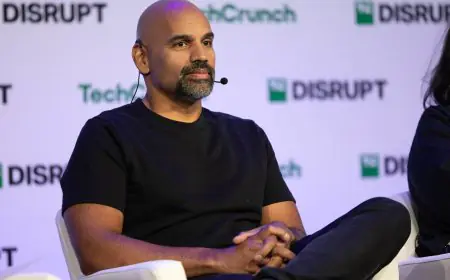
"I'm thrilled that millions of Brits will now have access to a personal agent that they control and that gets things done on their behalf." Shruti Dube, UK Country Director at Meta
The Telegraph reports that some features, such as having the agent make phone calls on a user's behalf, are subscription only. The paper also says Muse became the most downloaded app on Apple's App Store after its US launch in September and is already used by some 10 million people, following launches in Australia, Canada, Japan, Mexico and Singapore.
Trust us, says the company asking for your inbox
Meta clearly knows the ask is a big one. A companion post lists the guardrails it is promising. Purchases need approval every time. Users pick which apps Muse touches and can let it read email without letting it send anything. Meta says a separate security agent checks Muse's actions against the permissions granted, that each Muse gets its own virtual computer in the cloud, and that the agent "has no visibility into people's passwords or payment methods." Conversations, it says, are not shared with Meta's ad systems.
Note the fine print, though. Meta's own post says the setting that lets Muse interactions train its AI is switched on when you start, and users must turn it off under Data controls. Privacy is not an abstract worry with this product. Meta already paused Muse sharing when private conversations turned up online.
Regulators have noticed. POLITICO reports that Muse is the first AI agent product launched by a Big Tech company in the UK, and that the Digital Regulation Cooperation Forum, which brings together the Competition and Markets Authority, the Financial Conduct Authority, Ofcom and the Information Commission, warned last month that AI agent products "may amplify and accelerate risks" to consumers.
POLITICO also points back to Reuters, which reported last week that Meta staff had raised internal concerns about "undesired actions" by the agent since its US debut, from accessing encrypted messages to supplying bogus information about purchases. A Meta spokesperson said those were "isolated incidents." The Telegraph adds that reviewers have praised Muse for booking days out and flagging unpaid bills, while others warn it needs large amounts of personal data to be useful and sometimes hallucinates details about purchases.
Meta, for its part, says it has "engaged constructively with the appropriate regulatory authorities and will continue to do so." Fair enough. But an agent that can open your email, browse shops and pay through Stripe's Link or Shopify's Shop Pay is only as safe as its worst afternoon, and Britain is now the test bed. An approval button helps. It does not help much if the thing asking for approval has got the facts of your order wrong.