






























New York Signs a Five-Year Ban on AI Chatbot Toys but They Stay on Shelves Through Christmas
Governor Kathy Hochul signed a five-year moratorium on AI chatbot toys in New York, but it only takes effect 90 days after signing, so the toys can still be sold this holiday season.

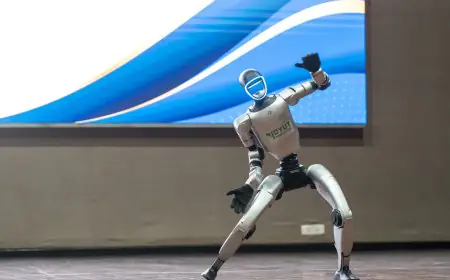
New York just told the toy industry to unplug the talking teddy bear. Governor Kathy Hochul on Tuesday signed S.9408A/A.11144B, a bill that places a five-year moratorium on the manufacturing, distribution and sale of toys in New York with embedded or integrated AI chatbots, according to the governor's office. Think talking stuffed animals, dolls and robots that chat with kids over the internet.


There is a catch, and the timing makes it hard to miss. The law takes effect 90 days after signing, which the Toy Association puts at Monday, February 22, 2027. So the ban is signed but not in force, and as FOX 5 New York reported, these toys can still legally sit on store shelves through Christmas. Hochul's own release concedes the moratorium "will not be in effect this holiday season."
"Parents shopping for gifts for the holidays or any other occasion should not have to worry that dangerous chatbots disguised as toys could expose their children to inappropriate conversations, manipulate their feelings or put their privacy at risk." Governor Kathy Hochul
Hochul signed the bill at a Harlem toy store, WXXI reported. Her office pitched it as the next step after the companion chatbot rules she signed in October, which barred chatbots from playing friend or girlfriend to kids. What is new here is the target. That law limited chatbot features for minors. This one pulls the physical product off the New York market.
The case for the pause rests largely on outside testing. The governor's office cited a national consumer watchdog that tested chatbot toys marketed to children ages 3 to 12 and found some had few or no parental controls, that their safety limits weakened the longer a conversation ran, and that some could record a child's voice or scan a face. Common Sense Media founder James P. Steyer said in the release that his group's research shows the toys "aren't safe for kids."
Enforcement falls to Attorney General Letitia James. Violators face civil penalties of up to $15,000 per day for each violation, the governor's office said. James said her office "will not hesitate to enforce this law." FOX 5 noted it was not immediately clear how, or whether, state officials would inspect toy stores to police the sales ban. A fine nobody checks for is a press release with a price tag.
"The rush to sell AI-powered toys to young children is just the latest chapter in what has become a repetitive story, Big Tech puts profits before kids' safety, and families pay the price." State Senator Andrew Gounardes
Gounardes sponsored the bill with Assemblymember Rebecca Kassay, who said the moratorium "gives our state time to assess these emerging technologies and develop meaningful regulations" and credited the "nearly unanimous support of the Senate and Assembly." It is billed as a pause to study the toys, not a permanent verdict.
The toy industry wanted a study, not a ban
The Toy Association, the industry's main trade group, said it has kept "a consistent position opposed to moratoriums and in support of a study approach" and will send members compliance guidance. In September testimony against a similar Pennsylvania bill, its state affairs director Charlotte Hickcox argued that a toy ban "would unintentionally sweep in a wide range of products that present no risk" while leaving kids' access to chatbots on other platforms largely untouched.
Fair point, but a toy is different from an app. It is marketed to small children, and nobody reads over a plush bear's shoulder.
Scope matters too. This is a New York law only, and it covers toys with built in AI chatbots, not every talking toy and not chatbots in general. WXXI reported that California recently took similar action and Pennsylvania is weighing its own moratorium, and that Hochul signaled more AI safety proposals are coming next year.
Until February, the only thing standing between those toys and a stocking is the shopper. Steyer's advice to parents was blunt. Do not wait for the moratorium to kick in, he said, and stick to traditional toys this holiday season.