





























Oregon and Virginia Sue SpaceX, Saying It Sold Grok as Safe While Users Made Sexual Deepfakes
Oregon and Virginia have filed consumer protection suits alleging SpaceX promoted Grok and X as safe while failing to stop nonconsensual sexual images, including of children. The company says abusers circumvented its safeguards.
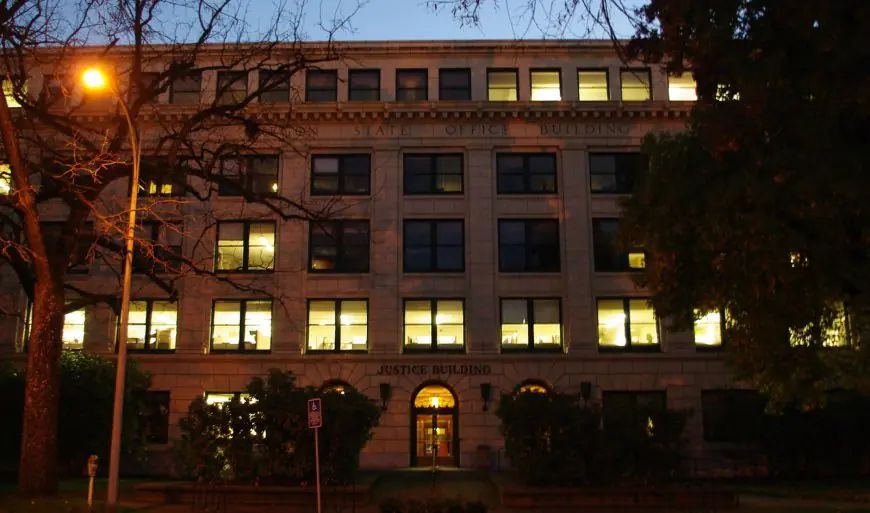
Two states have taken Elon Musk's AI image tool to court, and their argument is not really about the pictures. It is about the promises. Oregon Attorney General Dan Rayfield and Virginia Attorney General Jay Jones filed separate but coordinated consumer protection lawsuits against SpaceX, alleging that the company sold Grok and X as safe while failing to stop Grok from generating sexualized images of real people, including children, without their consent.


SpaceX is the target because it now owns both pieces. The Virginia attorney general's announcement describes SpaceX as the operator of X and of xAI, which it says is now called SpaceX Super Intelligence, and as the developer of the Grok models. CNBC reports that Virginia and Oregon are the first states to sue the company over Grok's image generator.
These are civil claims, not criminal charges, and none of them has been tested in court. According to CNBC, the states argue that SpaceX's safety representations broke Virginia's Consumer Protection Act and Oregon's Unlawful Trade Practices Act. Both states want injunctions, civil penalties, disgorgement and legal costs, CNBC reports, and Virginia is also asking for restitution for consumers. CNBC says Oregon filed in Multnomah County on Sunday evening and Virginia in Richmond on Monday morning.
A feature, not a bug, the states allege
The core allegation is that the safety gaps were a design choice. According to the states' releases, the filings say the company marketed Grok as an AI companion with a "rebellious streak" and created and promoted a "spicy mode" that allowed nude and otherwise sexualized images. The Verge reports that the Virginia complaint describes the weak safeguards as "not a failure but a feature."
"The lack of needed safety measures was considered a feature, not a bug, which they promoted as 'spicy mode.'" Oregon Attorney General Dan Rayfield
Jones framed the case squarely as deception. In the joint announcement, he said X users "were misled by the company's false reassurances that their data and images would be safe on the platform." He added: "Time and again, xAI and X told consumers they were being protected from abuses. That was false."
To show scale, both attorneys general lean on outside research. Their releases cite a study by the Center for Countering Digital Hate (CCDH) that estimated Grok created and posted on X approximately three million sexualized images between December 29, 2025, and January 8, 2026, including approximately 23,000 that appeared to depict children. Those are CCDH's estimates as cited by the AGs, not findings by any court. The same study, according to the releases, estimated that nearly 30% of the child-appearing images it identified were still publicly accessible on X a week or more later.
SpaceX is pushing back. The X Safety team, in a statement quoted by The Verge, said the people who tried to misuse Grok Imagine did so "by deliberately violating our Terms of Service and working aggressively to circumvent our safeguards." The company said it "acted promptly to tighten its protections" earlier this year and uses classifiers to screen prompts and outputs.
"Attempting to create this material is a serious crime, and the individuals who do it should be prosecuted to the fullest extent of the law." SpaceXSI spokesperson, in a statement to CNBC
That defense, which puts the blame on users rather than the product, is the fault line the states are aiming at. CNBC reports that in a separate federal suit SpaceX filed against a user, the company's lawyers called Grok "a neutral tool, subject to user control." Oregon and Virginia are betting a consumer protection case sidesteps that argument, because the claim is that the company told people one thing about safety while, the states allege, the product did another.
The suits arrive with SpaceX already facing private Grok litigation, including a separate lawsuit from an Arkansas mother, plus government probes CNBC lists in the U.K., Spain, Ireland, France and California. Two state attorneys general just raised the stakes considerably.