

































Google Veo 3 Is Transforming Ai Video Creation And Content Production
Google expands access to Veo 3, its advanced AI video generation model, introducing faster rendering and audio-synced physics to redefine how creators produce high-quality digital content.
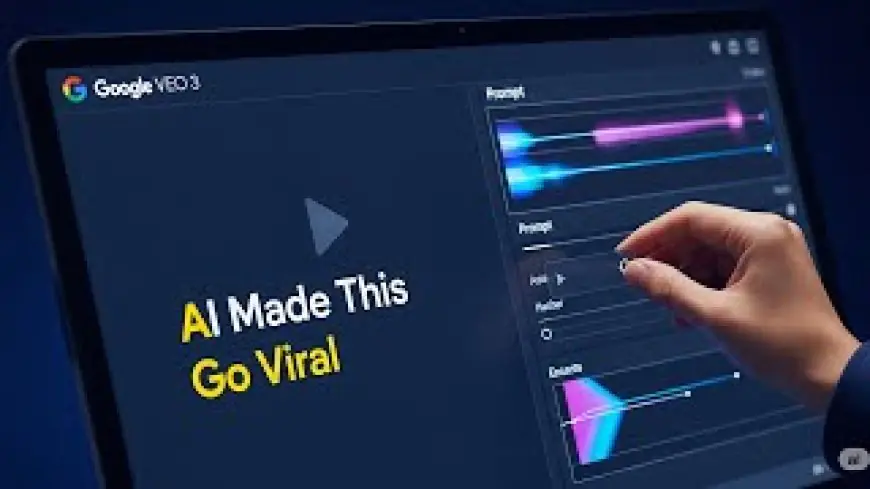


Google is making a bold move in the fast evolving world of generative media with the wider release of its latest video generation model, Veo 3. Designed to push the boundaries of what artificial intelligence can achieve in film and digital content creation, the upgraded system is already drawing attention for its ability to produce high fidelity videos with remarkable speed and realism. For creators, marketers, and studios alike, this marks a turning point in how visual storytelling can be executed.
At the core of Veo 3’s appeal is a significant performance leap. The model reportedly cuts rendering times by nearly half, a breakthrough that addresses one of the biggest bottlenecks in AI video production. Faster rendering means creators can move from concept to finished output much more quickly, reducing production cycles and opening the door for more iterative, experimental workflows. Details shared via Google DeepMind highlight the company’s ongoing focus on making advanced AI tools more practical for real world creative use.
But speed is only part of the story. What truly sets Veo 3 apart is its introduction of what Google calls audio synced physics. In simple terms, the model is capable of aligning sound with physical motion in a way that feels natural and believable. Whether it is footsteps matching the rhythm of movement or environmental sounds reacting to visual changes, this feature adds a new layer of immersion that has been difficult to achieve with earlier AI systems. It is a subtle innovation, but one that significantly enhances the viewing experience.
The implications for industries like advertising, entertainment, and social media are substantial. Brands can now generate polished video campaigns without the need for large production teams, while independent creators gain access to tools that were once reserved for high budget studios. This democratization of video production is likely to accelerate content output across platforms, as more users experiment with AI driven storytelling and visual effects.
At the same time, the rollout of Veo 3 reflects a broader strategy by Google to strengthen its position in the competitive AI landscape. As rivals continue to invest heavily in generative technologies, the company is doubling down on tools that blend creativity with technical performance. Analysts tracking developments on The Verge AI note that advancements in video generation are becoming a key battleground, with each new release raising expectations for realism and usability.
Of course, the rise of highly realistic AI generated video also brings important questions. Issues around content authenticity, misinformation, and intellectual property remain front of mind for industry observers. As tools like Veo 3 become more accessible, the need for clear guidelines and responsible usage practices will only grow. Google has indicated that it is investing in safeguards, but the broader conversation around ethical use is far from settled.
Despite these challenges, the momentum behind AI video generation is undeniable. What once felt experimental is quickly becoming a standard part of the creative toolkit. For businesses, this means rethinking how content is produced and distributed. For creators, it offers new ways to bring ideas to life with fewer constraints and greater flexibility.
Ultimately, Veo 3 represents more than just another product update. It signals a shift toward a future where high quality video production is faster, more accessible, and increasingly driven by intelligent systems. As adoption grows, the line between human creativity and machine assistance will continue to blur, reshaping the entire landscape of digital media.