




















Prosecutors Say Former OpenAI Engineer Used Codex to Help Run a Hidden Meeting Recorder
A new federal filing alleges a former OpenAI engineer used the company's own Codex agent to help run a hidden conference room recorder and sort dozens of meeting recordings. He has pleaded not guilty, and his lawyer says the case has shrunk.
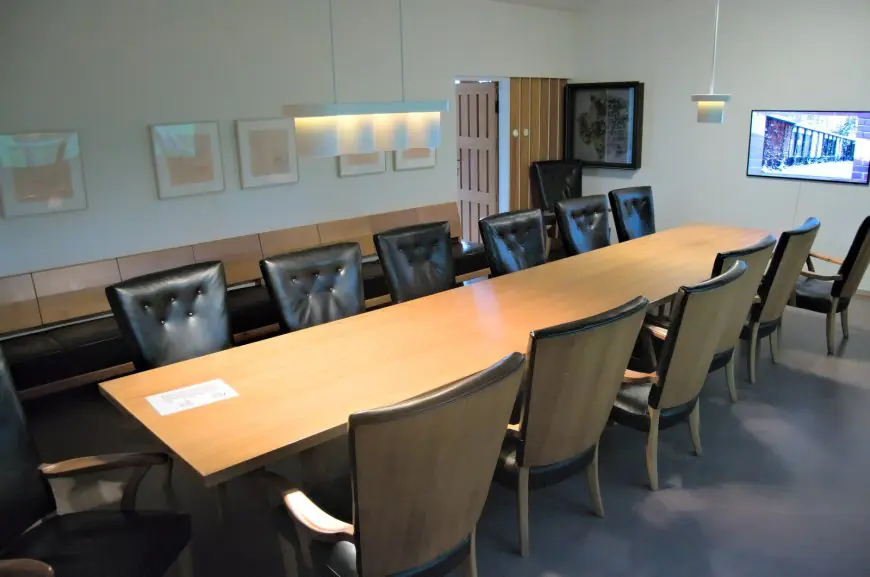
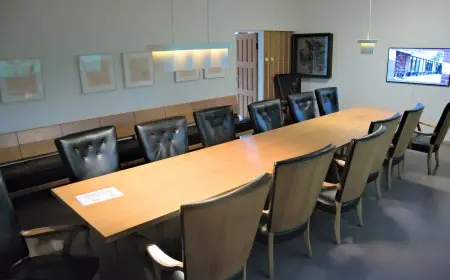
Federal prosecutors now say the tool Abdulrahman Alfozan allegedly leaned on to run a hidden recorder inside OpenAI came from OpenAI itself. In a filing opposing his release on Monday, November 23, the government alleges the former OpenAI engineer used Codex, the company's own coding agent, to help configure the device and to move and store the audio it captured.


Alfozan faces a single count under the Wiretap Act for allegedly concealing a recording device in an executive conference room at OpenAI. He has pleaded not guilty. His arrest was covered here in October. What is new is what prosecutors say they found afterward, laid out as they fight his bid for release before trial.
According to the filing, records OpenAI handed to the government show that in September 2026 Alfozan used Codex to help set up the recorder and to send the recordings to a Dropbox account. Prosecutors say he made those requests through his wife's account, and that one asked for the device to record only when people were speaking.
That is an awkward detail for any company selling AI agents as productivity tools. If the allegations hold up, OpenAI's own logs became evidence against one of its own engineers.
Prosecutors say they recovered hundreds of audio files from one of Alfozan's personal computers, including dozens of recordings of conversations at OpenAI throughout September. At least one, they allege, was a meeting between OpenAI and representatives of a foreign government, which the filing does not name. Others came from 12 different dates between September 9 and 28 in the executive conference room where the device was later found.
The filing also describes dozens of files that appear to be AI-generated transcripts, which prosecutors say were organized into 15 date-based folders and renamed by topic, with subjects such as AI safety research and a briefing with a foreign government. Many meetings, prosecutors write, appear likely to involve confidential trade-secret material, and OpenAI has flagged others as attorney-client privileged.
"What the defendant did or intended to do with those audio files remains under investigation." Federal prosecutors, November 23 filing
The government also alleges it found phone photos of every page of a confidential OpenAI term sheet for a strategic partnership with an unnamed company, apparently taken at his home on October 5. Prosecutors lean hard on his contacts with Saudi officials, including a WhatsApp invitation from a member of the Saudi royal family to "move back" and join a Riyadh AI company. They argue he remains a flight risk and should stay detained.
None of that is charged. Alfozan has not been accused of espionage, trade-secret theft or acting as a foreign agent.
The defense says the case has shrunk
His lawyer, David W. Rizk, argues the opposite story in a November 20 motion for release. The motion says the government, by its own counsel's admissions, has found no new evidence that Alfozan was stealing trade secrets or working as an unregistered agent for Saudi Arabia. It says the vast majority of the recordings apparently contain random noise and silence and argues the evidence points to Alfozan, a Saudi national and permanent US resident who attended MIT, being an "overly curious tinkerer."
"It is now clear those fears were unfounded." Defense motion for release, filed by David W. Rizk
The defense asks for a $1,000,000 bond secured by $500,000 of Alfozan's own cash, with four potential sureties proffered to Pretrial Services. It puts his guidelines range at 0 to 6 months. Prosecutors counter that the charge carries up to five years and dispute that math.
Business Insider reported that neither OpenAI nor Alfozan's lawyer immediately responded to requests for comment Monday. In October, OpenAI said it had no indication he had accessed model weights, source code or customer data, and it has not publicly revised that statement.
Magistrate Judge Alex G. Tse is scheduled to hear the release motion on Tuesday, November 24, in San Francisco. Trial is set for January 20, 2027. Until then, every claim about Codex, the recordings and his motives is an allegation, and a sharply contested one.