





































Australia Warns AI Data Center Boom Could Trigger New Power and Water Pressure
Australia is facing a potential surge in AI data-center construction as companies race to secure computing capacity ahead of tougher rules targeting electricity prices, renewable energy and water consumption. The explosive growth of AI is increasingly becoming an energy and infrastructure story, not just a software story.
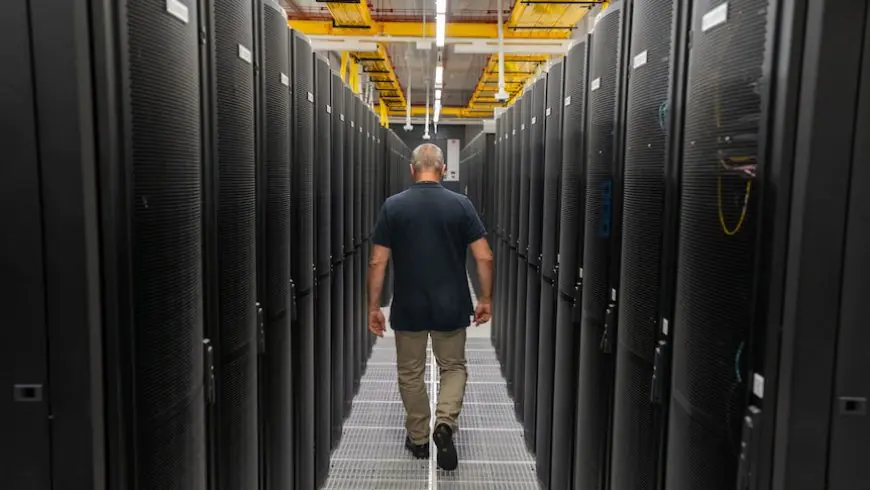
Australia is bracing for a potential surge in AI data-center construction as technology companies race to secure computing capacity ahead of looming regulatory changes.


Officials have warned that the explosive growth of AI is increasingly becoming an energy and infrastructure story, not just a software story. The Australian Energy Market Operator (AEMO) projects that data centers could account for up to 20% of the country's total power consumption by 2030, compared with roughly 5% today.
This growth threatens to strain the nation's electricity grid and drive up power prices, potentially undermining Australia's renewable energy targets. The problem is compounded by water scarcity, as many proposed data centers are located in regions already facing drought conditions.
"This is a defining moment for Australia. We must ensure that our AI infrastructure is built sustainably, without compromising our energy and water security." – Australian energy minister
The Australian government is now considering new regulations to manage the environmental impact of the AI data center boom. Proposed measures include stricter rules for electricity pricing, requirements for renewable energy usage, and water consumption limits.
The debate reflects the AI infrastructure balancing act that many nations are facing as they seek to attract AI investment while protecting their natural resources. Industry groups have expressed concern that overly stringent rules could drive investment elsewhere, while environmental organizations are pushing for more ambitious sustainability targets.
The impact of AI data centers extends beyond just energy and water consumption. They also generate significant amounts of electronic waste and contribute to urban heat island effects.
As the AI revolution continues to accelerate, it is becoming increasingly clear that its success depends not only on technological innovation but also on the availability of sustainable resources. The Australian case is a reminder that the AI boom is not just a digital phenomenon but a physical one as well.