













Tech Talent Moves Underline Intensifying AI Race
The recent exodus of Apple’s AI engineers to rivals like Meta and Google DeepMind reflects a deepening talent war in 2026, where the strategic importance of research divisions has made top-tier engineers the ultimate currency in the race for superintelligence.

The Great AI Brain Drain of 2026
In the high-stakes world of artificial intelligence, the most valuable asset isn't proprietary data or massive GPU clusters—it's the small group of researchers who know how to make them work. As we enter the first quarter of 2026, the industry is witnessing a "Great Realignment" of talent. Apple, once the fortress of tech engineering, has seen its walls breached by aggressive poaching from Meta and Google DeepMind. This trend highlights a broader truth: in the current AI race, the strategic importance of research divisions has eclipsed traditional product development, turning top engineers into the most sought-after currency in Silicon Valley.
The recent departures from Apple's Foundation Models (AFM) team are not isolated incidents. They represent a fundamental shift in where the world’s brightest minds want to work. As companies move beyond simple chatbots toward "agentic" and "superintelligent" systems, researchers are flocking to labs that offer the most ambitious research mandates and the deepest pockets for open-ended experimentation.
Inside the Apple Exodus: The Siri Executive Factor
The most high-profile casualty in this talent war is Stuart Bowers, a senior executive who was instrumental in the modernization of Siri. His move to Google DeepMind is particularly telling. Bowers was a central figure in Apple’s attempt to transition Siri from a voice command tool to a true AI assistant. According to Bloomberg, his departure, along with at least four other principal researchers—Yinfei Yang, Haoxuan You, Bailin Wang, and Zirui Wang—underscores a growing internal friction at Apple Park.
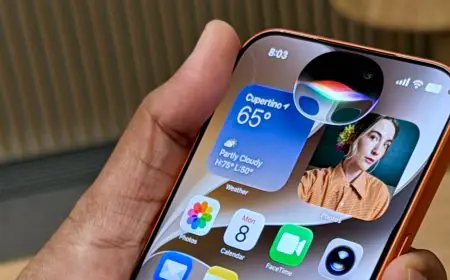
The source of this friction? Strategy. While Apple has successfully launched "Apple Intelligence," its decision to outsource core foundation models to Google’s Gemini has reportedly rankled the internal teams who spent years developing homegrown solutions. For many researchers, the move to Meta or DeepMind isn't just about a paycheck—it's a move toward labs that are building the core intelligence of the future, rather than just the interface for it.
Meta’s "Cheque Book Diplomacy" and the Superintelligence Lab
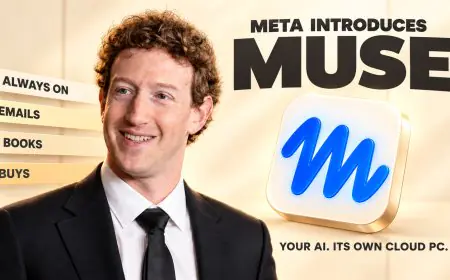
While Apple is losing talent, Mark Zuckerberg’s Meta is reaping the rewards. By establishing its Superintelligence Research arm, Meta has sent a clear message: they are willing to spend whatever it takes to win. Reports suggest that Meta is offering signing bonuses that rival professional sports contracts, with some principal engineers receiving packages exceeding $10 million in incentives.
This "cheque book diplomacy" is a direct challenge to the traditional tech hierarchy. By targeting leaders from OpenAI, Google, and Apple, Meta is attempting to consolidate the world's knowledge of large language models (LLMs) under one roof. The move has turned the industry into a virtual "transfer season," where the announcement of a single researcher’s move can shift a company’s stock price. As noted by AI News, this talent consolidation is no longer just about hiring; it’s a declaration of war against the incumbents.
Why Research Divisions are the New Profit Centers
The intensity of this talent race stems from a change in how tech giants view their research arms. In 2024, research was often seen as an "innovation lab" separate from the core business. In 2026, the research division is the core business. An AI lab assistant that can discover a new material or an agent that can autonomously manage a global supply chain is worth billions in recurring revenue.
This shift has forced companies to rethink their retention strategies. It’s no longer enough to offer free lunch and a nice campus. Today’s top AI talent demands access to "unlimited" compute, the freedom to publish in academic journals, and a direct line to the CEO. Companies that fail to provide this "research-first" culture—or those that appear to be ceding their technological independence to rivals—will likely continue to see their best minds walk out the door.
Conclusion
The movement of engineers from Apple to Meta and Google DeepMind is the loudest signal yet that the AI race is entering a mature, more ruthless phase. As the low-hanging fruit of generative AI is picked, the battle for the next breakthrough will be fought in the research labs. For Apple, the challenge is clear: it must prove that its "integrated" approach can still provide a home for the world's best researchers, or risk becoming a "dumb pipe" for the intelligence built by its rivals.