


























Why Electricity is the New Gold in the Global AI Race
As we move through 2026, the AI revolution has hit a massive wall not made of silicon, but of copper and coal. Industry analysts now agree that the next decade of AI leadership will be won by whoever can secure the most reliable and massive amounts of electricity to power the next generation of 1-gigawatt data centers.
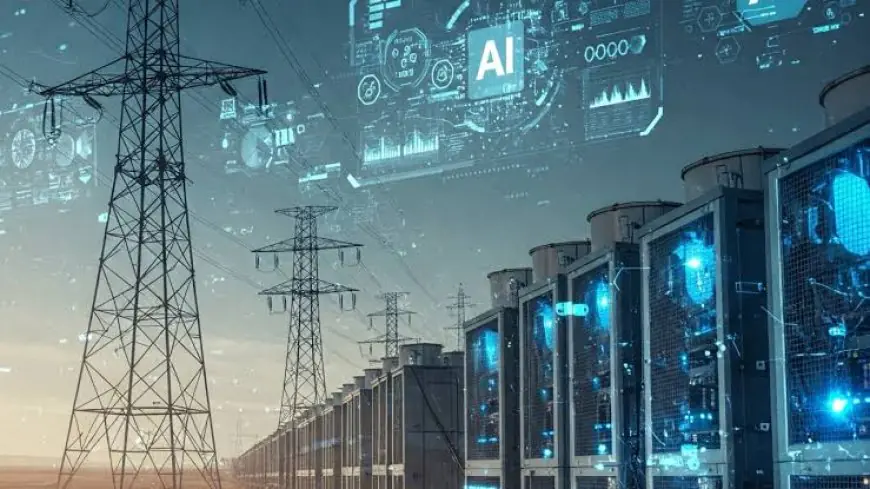


The Shift from Silicon to Substations
For the past three years, the narrative of the artificial intelligence boom was defined by a single word: chips. Every quarterly earnings call and tech headline centered on the scarcity of high-end GPUs. But as we move deeper into 2026, a profound shift has occurred in the hierarchy of bottlenecks. The "Silicon Scarcity" has been replaced by the "Power Pinch." Today, the limiting factor for scaling the world’s most advanced AI models isn't how many chips you can buy, but whether you have the electrical grid capacity to turn them on.
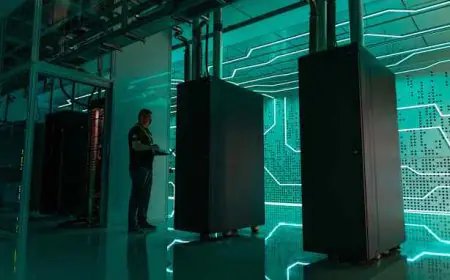
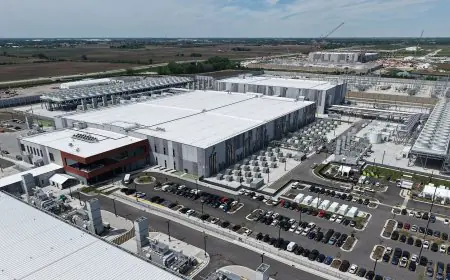
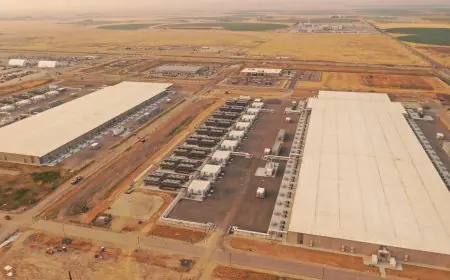
In 2026, we are witnessing the emergence of the first "Gigawatt Data Centers." To put that in perspective, a single one of these facilities now draws as much power as a mid-sized nuclear reactor or the entire city of San Francisco. With the global compute capacity tripling nearly every year, the tech industry has transformed from a software business into one of the world’s largest energy consumers, and the geopolitical implications are staggering.
The Race to Secure the Grid
Analysts are calling this era the "Race to Power." It is no longer enough for hyperscalers like Microsoft, Google, and Meta to build better algorithms; they are now forced to become energy companies. We are seeing unprecedented "off-cycle" deal-making where tech giants are bypassing traditional utilities to build their own behind-the-meter microgrids. In fact, just this week, Meta and Google finalized massive long-term contracts for nuclear and renewable assets to ensure their 2027 and 2028 roadmaps don't go dark.
According to a report by The Financial Times, five US data centers are set to become the first globally to use more than 1GW at their peak this year. This has created a massive backlog in "interconnection queues," where new AI clusters are waiting up to seven years just to plug into the aging national grid. The companies that find a way to skip this line—by investing in proprietary power generation or small modular reactors (SMRs)—are the ones poised to win the next decade.
Infrastructure as a Competitive Advantage
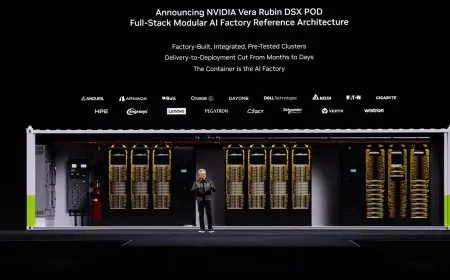
While the software side of AI is becoming increasingly democratized, the infrastructure side is becoming more concentrated. The "Big Three" cloud providers are spending upwards of $200 billion annually on physical assets. This capital expenditure isn't just going toward Nvidia's latest hardware; it is being poured into liquid cooling systems, high-voltage 400V server architectures, and massive battery storage systems designed to handle the "swing loads" of large-scale AI inference.
The innovation isn't just in the power generation, but in how it’s delivered. New 2026 standards in immersion cooling—where servers are literally dunked in non-conductive fluid—are helping facilities reduce their energy waste by nearly 40%. By effectively managing the heat generated by AI, operators can pack more compute into smaller footprints, squeezing every possible drop of utility from their limited power allocations.
A Geopolitical Energy Map Redrawn
The insatiable demand for power is also shifting where AI happens. Data center "Alleys" in Virginia and Dublin are reaching their breaking point, leading to a migration toward regions with surplus energy. West Virginia, for instance, has become a surprise winner in the AI race, attracting multi-billion dollar "Monarch" campuses that leverage onsite natural gas and battery microgrids to avoid straining the public's lights.
As noted by The Brookings Institution, this trend is a "wake-up call" for the global electricity sector. If advanced economies cannot modernize their transmission lines quickly enough, the next generation of AI "sovereignty" may move to countries that can offer immediate, high-density power at a lower regulatory hurdle. This has turned energy policy into a primary pillar of national security for any country hoping to remain a tech superpower.
Conclusion
The AI revolution has outgrown the screen and entered the physical world of turbines and transformers. In the coming decade, the crown of "AI Superpower" will not go to the company with the best code, but to the one that can keep the lights on. We have moved beyond the age of the algorithm and into the age of the atom, where the ability to generate and manage massive amounts of clean, reliable electricity is the ultimate competitive moat.