





















Wall Street Rally Partly Driven by AI Optimism
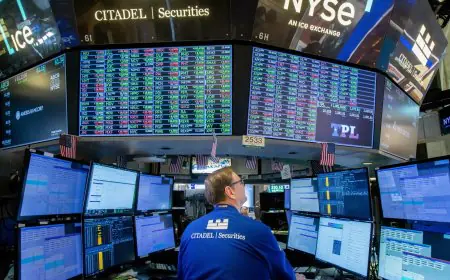
The S&P 500 has breached the historic 7,000-point mark for the first time as investors move from AI infrastructure speculation to the high-margin monetization phase, signaling a robust "Tech Tonic" for the 2026 global economy.

The 7000 Milestone and the AI Era
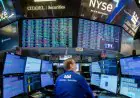
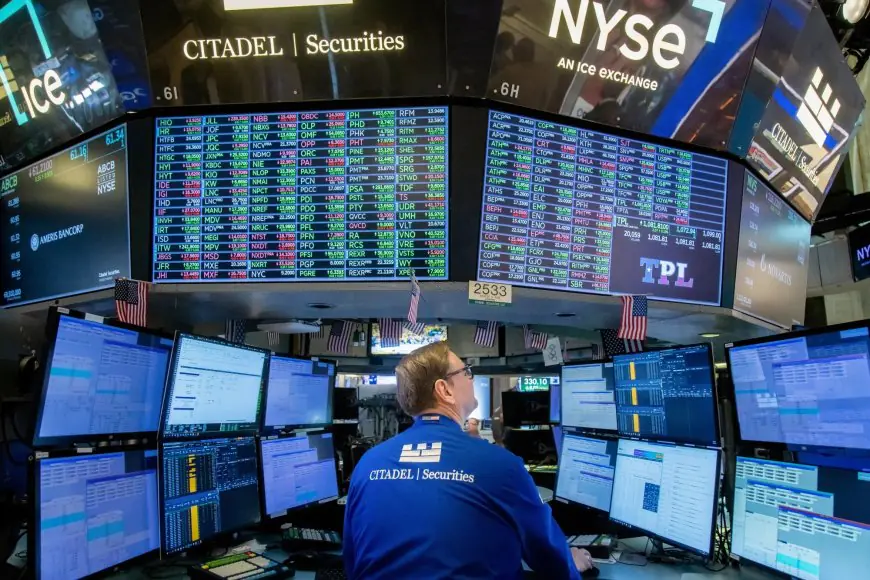
The financial world witnessed a historic moment on January 28, 2026, as the S&P 500 breached the 7,000-point threshold for the first time in history. This rally, which has seen the index leap from 6,000 to 7,000 in just over a year, is being fueled by a relentless wave of optimism surrounding the commercialization of artificial intelligence. While the early years of the AI boom were defined by a mad scramble for hardware, the current surge reflects a shift into what analysts call the "monetization phase," where the multi-billion dollar infrastructure bets are finally showing up as high-margin profits on corporate balance sheets.
The "Tech Tonic" effect is now in full swing. Rather than the speculative "bubble" fears that dominated 2024 and 2025, the 2026 rally is underpinned by a record-breaking number of Information Technology companies issuing positive earnings-per-share (EPS) guidance. According to recent market data, over 30 major IT firms have significantly raised their Q1 outlooks, more than double the historical average. This collective confidence suggests that AI is no longer just a buzzword but a primary driver of corporate efficiency and new revenue streams.
From Infrastructure Build Out to High Margin Growth
For the last few years, the market’s focus was almost exclusively on "pick and shovel" providers like Nvidia. However, the 2026 landscape is more nuanced. Investors are now rewarding companies that can demonstrate Agentic AI—systems that do more than just generate text, but actually perform autonomous tasks that replace traditional software workflows. This shift has led analysts to project a staggering 27% rise in tech sector profits for the year, far outpacing the broader market's 15% growth estimate.
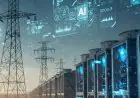
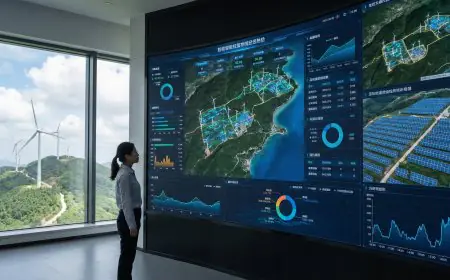
As noted by The Straits Times, the benchmark S&P 500's ascent has quickened remarkably, taking only nine months to jump between its most recent 1,000-point milestones. This acceleration is a direct reflection of mounting investor confidence that AI adoption is leading to a genuine productivity boom across diverse sectors, including energy and healthcare, which are now leveraging AI to manage grids and surgical robotics respectively.
The Magnificent Momentum Continues
The so-called "Magnificent Seven" continue to act as the market's anchors, but their strategies have matured. Nvidia remains a juggernaut, with its Blackwell architecture driving a 62% expected EPS expansion this year. Meanwhile, Microsoft and Alphabet are seeing their cloud margins widen as enterprise clients integrate AI agents into every facet of their operations. Even hardware players like Micron are seeing renewed life, recently announcing a $24 billion investment in Singapore to meet the insatiable demand for high-bandwidth memory chips.
However, the 2026 rally isn't without its tensions. The market is currently balancing this tech euphoria against a complex geopolitical backdrop, including ongoing discussions about Fed rate cuts and new trade tariff threats. Despite these "macro" headwinds, the fundamental strength of AI-driven earnings has provided a "buoyancy" that keeps the indices at record highs. As reported in the Tech Renaissance report, the primary strategic pivot for the remainder of 2026 will be the transition to "autonomous intelligence," which could unlock trillions in economic value.
A Sustainable Rally or an AI Peak
The question of whether this rally is evergreen remains a topic of hot debate on Wall Street. Critics point to high valuations and the concentration of market cap in a few tech giants. Yet, the bull case remains strong because, unlike the dot-com era, today's leaders are generating massive amounts of free cash flow. The "AI Second Wave" is focused on tangible ROI—moving from experimental chatbots to integrated business systems that permanently lower the cost of labor and production.
As we head into the second quarter of 2026, the focus will stay on "monetization of intelligence." Companies that can prove their AI integrations are saving millions in operational costs will likely lead the next leg of this record-breaking journey. For now, Wall Street is firmly in the camp of the optimists, betting that the AI-powered economy is just getting started.