


















How Caterpillar New AI Assistant is Changing the Way the World Builds
Caterpillar unveils the Cat AI Assistant at CES 2026, a revolutionary voice-activated tool powered by NVIDIA and the Helios data platform designed to bridge the skills gap and boost jobsite productivity.


The Dawn of the Intelligent Worksite
For over a century, the yellow iron of Caterpillar has been synonymous with building the world’s infrastructure. But at CES 2026, the conversation shifted from horsepower and hydraulic pressure to data and deep learning. The machinery giant took the stage to unveil the Cat AI Assistant, a sophisticated "digital partner" designed to transform how operators, technicians, and fleet managers interact with heavy equipment. This isn't just a minor software update; it is a fundamental reimagining of the construction site as an intelligent, conversational ecosystem.
The timing for such an innovation couldn't be more critical. The construction and mining industries are currently grappling with a massive talent shortage and a widening skills gap. By embedding high-level intelligence directly into the machinery, Caterpillar is making it possible for less experienced operators to perform with the precision of seasoned veterans, while giving experts the tools to push efficiency to new heights.
A Conversational Hub Built on Massive Data
The Cat AI Assistant is not a generic voice bot. It is built upon Caterpillar’s massive Helios data platform, which currently manages over 16 petabytes of proprietary data. This includes millions of hours of machine performance logs, decades of operation and maintenance manuals, and a vast library of parts catalogs. Because it pulls from this exclusive knowledge base, the assistant provides highly specific, reliable advice that a general AI simply cannot match.
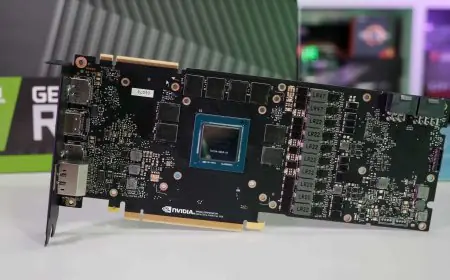
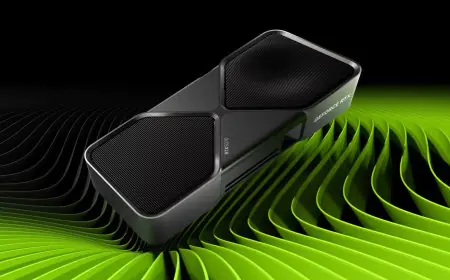
To handle the intense processing required for real-time voice recognition and computer vision at the jobsite, Caterpillar has partnered with NVIDIA. The system runs on the NVIDIA Jetson Thor platform, allowing the AI to process information at the "edge"—meaning it doesn't need to send every request to the cloud. This ensures that even in remote mines or deep construction pits with spotty connectivity, the assistant stays responsive and helpful. You can learn more about the hardware driving these innovations at the NVIDIA Jetson page.
Empowering Every Role on the Jobsite
What makes the Cat AI Assistant a true breakthrough is its versatility across different user roles. It acts as a specialized coach, a master technician, and a vigilant fleet supervisor all at once:
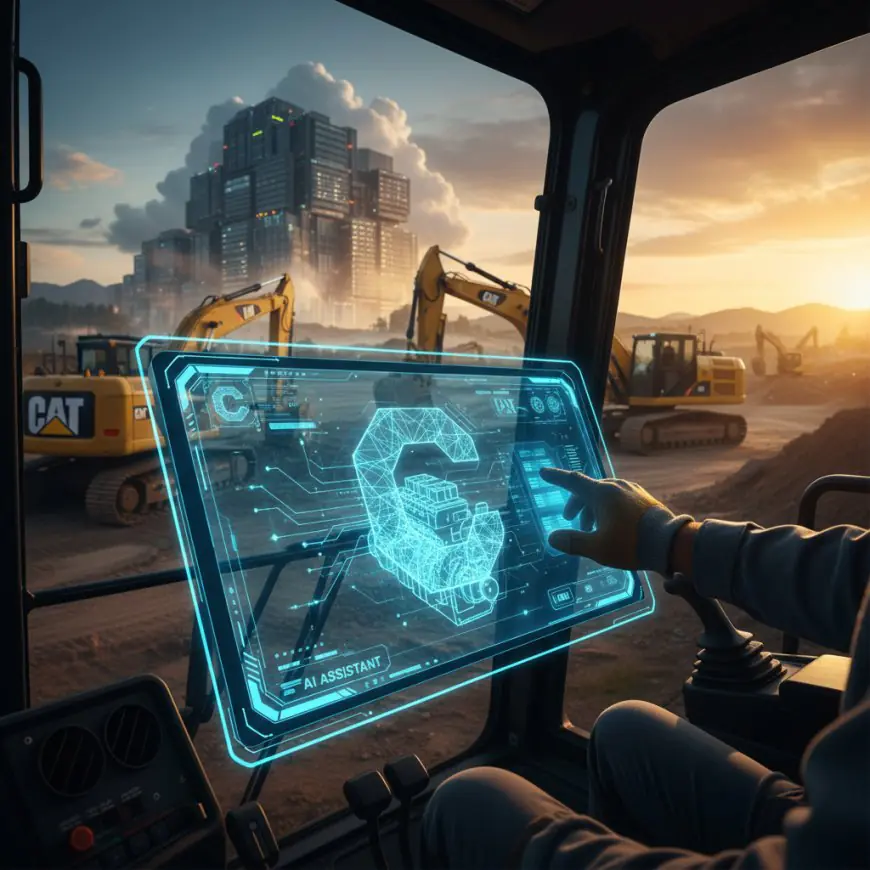
- For Operators: In the cab, the assistant serves as a real-time coach. Operators can use voice commands to adjust machine settings, ask for the best way to tackle a specific slope, or troubleshoot an alert without ever taking their hands off the controls.
- For Technicians: Repairs are streamlined through hands-free access to thousands of pages of manuals. A technician can simply ask, "How do I replace the hydraulic seal on this model?" and receive step-by-step guidance and a list of required parts instantly.
- For Fleet Managers: The AI acts as a "proactive partner," monitoring equipment health to turn unexpected breakdowns into planned, manageable maintenance. It identifies patterns in machine vibration or temperature before they lead to a failure, saving thousands in potential downtime.
As reported by PR Newswire, Caterpillar plans to launch the off-board version of the assistant in the first quarter of 2026, with the fully integrated in-cab applications following shortly after validation. This phased rollout ensures that the system is rugged enough for the harsh environments of real-world construction.
Bridging the Human Machine Divide
The introduction of Industrial AI signals a shift toward more sustainable and safer work. By optimizing every movement of an excavator or dozer, the Cat AI Assistant helps reduce fuel consumption and wear and tear. More importantly, by providing constant safety alerts and operational guidance, it helps prevent the accidents that often occur when operators are fatigued or overwhelmed by complex data screens.
Caterpillar’s vision for the future isn't about replacing the human operator, but rather augmenting them with the collective knowledge of the entire company. As the system continues to learn from the 16 petabytes of data flowing through the Helios platform, it will only become more intuitive. In the world of 2026, the most valuable tool on a worksite might not be the bucket on the front of the machine, but the intelligence inside the cab.