




































How Lantronix New AI Drone Platform is Slashing UAV Development Time
Lantronix debuts its groundbreaking Drone Reference Platform at CES 2026, a turnkey solution that combines Qualcomm-powered AI, sensor fusion, and Pixhawk flight controls to help manufacturers launch flight-ready prototypes in weeks instead of months.


A New Era for Rapid UAV Innovation
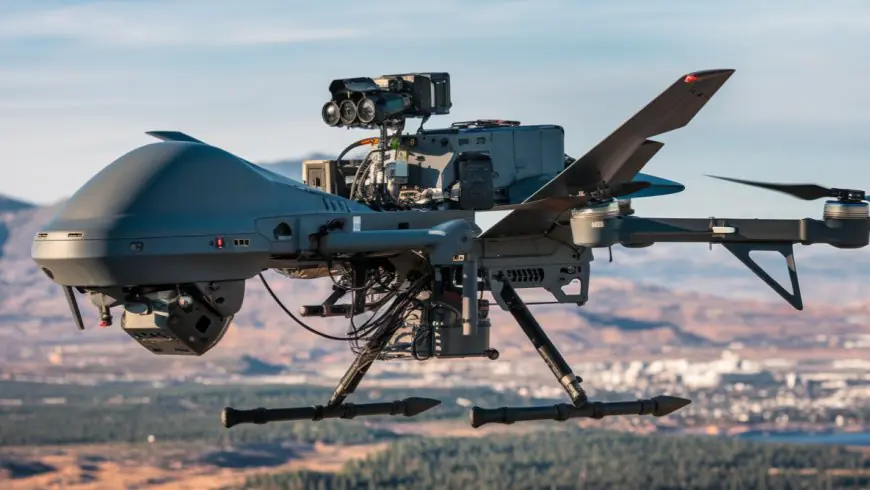
The pace of modern warfare and commercial logistics demands speed, yet developing a sophisticated unmanned aerial vehicle (UAV) from scratch has historically been a grueling, multi-month process. Lantronix Inc. is changing that narrative. At CES 2026, the company officially unveiled its "Drone Reference Platform," a turnkey development ecosystem designed to eliminate the technical bottlenecks that typically stall drone R&D. By providing an all-in-one package of compute, sensing, and flight control, Lantronix is enabling original equipment manufacturers (OEMs) to transition from a conceptual drawing to a flight-ready prototype in just a matter of weeks.
This development comes at a critical time for the industry. As global security concerns rise and commercial applications for drones expand into autonomous delivery and infrastructure inspection, the need for reliable, compliant hardware is paramount. Lantronix’s new platform is fully NDAA- and TAA-compliant, making it an immediate contender for high-stakes defense and government contracts where supply chain security is non-negotiable.
The Tech Under the Hood: AI Meets Avionics
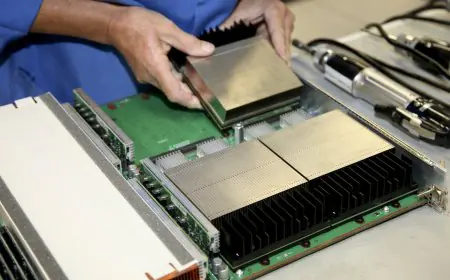
At the heart of this new platform lies the Lantronix Open-Q 8550 series µSOM, powered by the Qualcomm Dragonwing QCS8550 System on Chip. This provides the massive "edge AI" processing power required for real-time perception, obstacle avoidance, and autonomous decision-making. Unlike traditional drones that rely on remote pilots for every move, drones built on this platform can process complex visual data locally, allowing them to navigate effectively even in GPS-denied or "dark" environments.
The platform isn't just a processor; it’s a full-stack hardware solution. Key technical integrations include:
- Integrated Sensor Fusion: Native support for the FLIR Hadron 640R, providing fused thermal and RGB video pipelines for night vision and heat mapping.
- Reliable Flight Control: Pre-validated integration with Pixhawk and PX4, the industry standards for deterministic and stable flight performance.
- Dual Linux Environments: Support for both Ubuntu and Yocto Linux, giving developers the flexibility to deploy custom AI models and containerized applications via Docker.
According to reports from Nasdaq, this modular approach allows engineers to work on software and hardware in parallel, significantly reducing the "trial and error" phase of drone testing. For a deeper look at the technical specifications of the Qualcomm Dragonwing architecture, you can explore the official Qualcomm Robotics resource center.
Impact on Defense and Commercial Sectors
The implications of a "drone in a box" development kit are vast. For defense contractors, it means the ability to rapidly iterate on Intelligence, Surveillance, and Reconnaissance (ISR) platforms to meet evolving battlefield threats. For commercial enterprises, it lowers the barrier to entry for specialized drones used in industrial inspection, where high-resolution thermal imaging and autonomous flight are required to check power lines or oil pipelines safely.
Lantronix is already seeing success with this "solutions-first" approach. The company recently collaborated with Trillium Engineering and Teal Drones, providing the foundational compute for the U.S. Army’s Black Widow program. This track record of success suggests that the new Drone Reference Platform will become the blueprint for the next generation of small, intelligent UAVs.
The Future of Intelligent Flight
As we look toward the remainder of 2026, the drone market is projected to reach nearly $10 billion, with AI-powered systems leading the charge. Lantronix’s move to provide a turnkey "reference" design essentially does for drones what the early reference designs did for smartphones—it standardizes the complex "guts" of the machine so that innovators can focus on the unique applications and payloads that matter most. Whether it's saving lives in search-and-rescue or optimizing global supply chains, the speed of innovation just got a significant boost.