





























AI Bubble or New Industrial Revolution? Why Tech Giants Are Sounding the Alarm
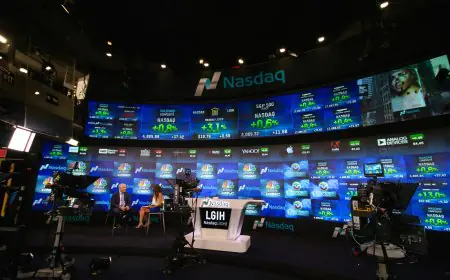
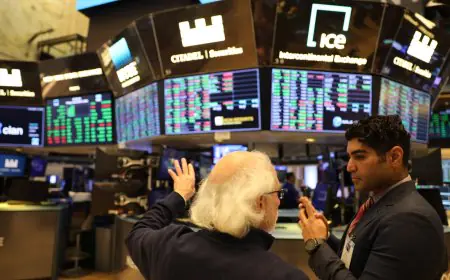
As 2025 comes to a close, a growing chorus of tech visionaries, led by Cato Networks CEO Shlomo Kramer, is warning that the AI sector has entered a dangerous valuation bubble reminiscent of the 1990s dot-com era.



The "Dot-Com" Redux? Shlomo Kramer’s Stern Warning
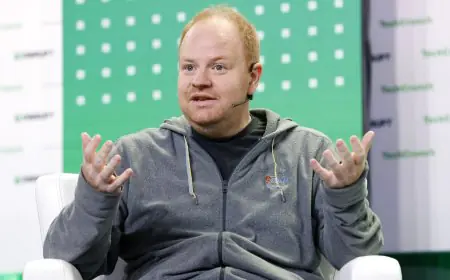
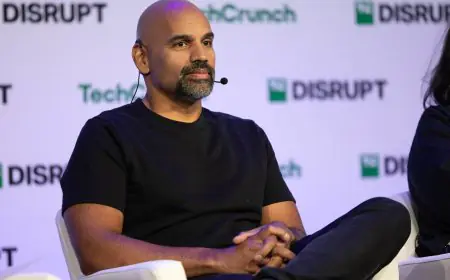
In the final trading days of 2025, the tech world is grappling with a sobering reality check. Shlomo Kramer, the cybersecurity legend behind Check Point and Imperva and current CEO of Cato Networks, has become one of the most prominent voices warning that the artificial intelligence boom is showing the classic symptoms of a speculative bubble. In a recent high-profile interview with Business Insider, Kramer drew direct parallels between today’s AI frenzy and the late-90s dot-com crash, arguing that while the technology is transformative, the current market valuations have detached from actual deliverables.
Kramer’s skepticism doesn't stem from a lack of belief in the technology—Cato Networks itself has aggressively integrated AI into its SASE platform—but rather from the "irrational exuberance" surrounding ROI. "I absolutely believe in AI," Kramer noted, but he cautioned that the "returns on these massive investments will materialize at a much slower pace than the current frenzy suggests." This sentiment echoes across Silicon Valley, where the "Great Decoupling" between infrastructure spending and actual enterprise productivity is becoming harder to ignore.
Valuations vs. Verifiable ROI: The Skeptics’ Playbook
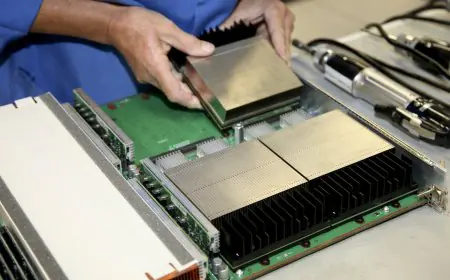
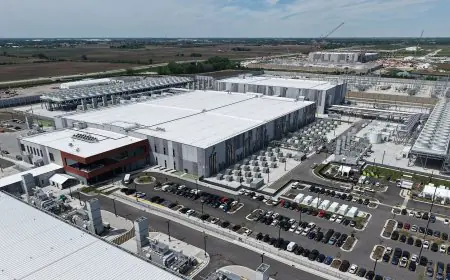
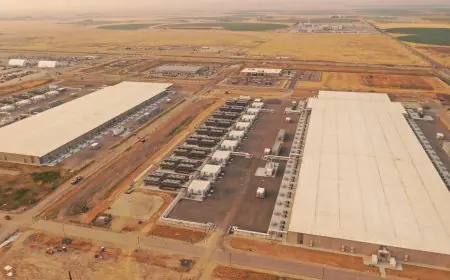
The numbers supporting the bubble thesis are hard to dismiss. Hyperscalers like Microsoft, Meta, and Google have collectively poured nearly $400 billion into AI data centers in 2025 alone. Yet, a growing cohort of "AI boom skeptics" points out that much of this revenue remains circular—Nvidia sells chips to OpenAI, which is funded by Microsoft, which uses the chips to host OpenAI models. This "house of cards" narrative gained significant momentum this quarter when Peter Thiel’s hedge fund reportedly offloaded its entire Nvidia stake, and "Big Short" legend Michael Burry placed a $200 million bet against the chipmaking giant.
The core of the issue is what experts call "AI slop"—a flood of low-quality, synthetically generated content that provides little value but consumes massive amounts of compute. As search engines and social platforms become cluttered with unverified AI output, the market is starting to demand a "Verification Economy." This shift is moving the focus away from how many parameters a model has toward how often that model actually solves a complex, real-world business problem without human intervention.
From Hype to Utility: Navigating the "AI Autumn"
Despite the "Autumn Chill" settling over Wall Street, the outlook isn't entirely bleak. The current valuation reset is being viewed by some as a "healthy normalization." For companies like Cato Networks, which recently attained a $4.8 billion valuation and was named to the Forbes Cloud 100 for the second consecutive year, the strategy has shifted from chasing hype to delivering "agentic" security. By acquiring startups like Aim Security, firms are focusing on the unglamorous but essential task of securing the AI models that businesses are already using.
The lesson for 2026 is clear: the "gold rush" of buying every stock with an .ai suffix is over. We are entering a phase where the winners will be determined by their ability to provide verifiable, safe, and economically sound applications. As Kramer aptly put it, the history of technology is a history of cycles. The internet didn't go away after 2000; it just stopped being a playground for speculators and started being a tool for the world. AI is likely on the same trajectory—it’s just that the landing might be a little bumpier than investors originally hoped.
The Bottom Line for Investors
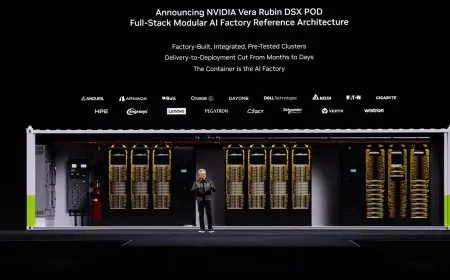
As we head into the new year, volatility will likely remain the norm. While Nvidia’s Blackwell architecture continues to ship in record numbers, the question of long-term demand remains the industry's $5 trillion elephant in the room. Whether we are facing a total "AI Winter" or merely a tactical pause, the era of unchecked spending is coming to an end, replaced by a much-needed focus on fundamentals and real-world utility.