


















Exploring whether assistants like Clawdbot can subsume calendars to do lists and automation tools
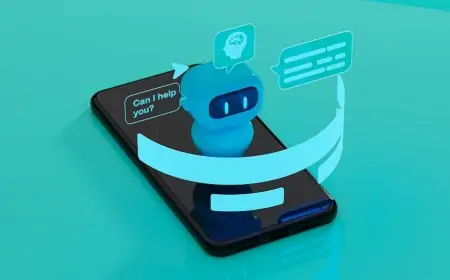
In 2026, the era of app switching is coming to an end as intelligent agents like Clawdbot begin to consolidate calendars, to-do lists, and complex workflow automations into a single conversational interface that lives where you already communicate.


The Great App Consolidation of 2026
For over a decade, our digital lives have been fragmented. We check our schedule in a calendar app, manage our tasks in a to-do list, and link them all together using complex automation "zaps" or "recipes." This workflow has always felt slightly disjointed, requiring us to be the glue between half a dozen different platforms. However, as we move through 2026, a new category of technology—led by the open-source powerhouse Clawdbot—is threatening to render this "app-first" world obsolete.
The core question facing tech enthusiasts today is no longer which app is best for productivity, but rather why we need separate apps at all. If an AI agent can read your emails, check your availability, and update your task list via a simple WhatsApp message, the individual interfaces for those services start to feel more like databases than daily tools. Clawdbot is leading the charge by proving that an agent can not only manage these silos but effectively subsume them into a unified, proactive experience.
Why Traditional Productivity Apps Are Losing Their Edge
The problem with traditional calendars and to-do lists is that they are fundamentally passive. They sit there waiting for you to input data, and they only alert you based on rigid, pre-set triggers. In contrast, agentic AI like Clawdbot acts as a "digital executor." Because it is integrated directly into messaging platforms and has access to your local files and APIs, it bridges the gap between planning and doing.
According to a report by MacStories, the real power of Clawdbot lies in its ability to operate across channels. You can mention a meeting in a Discord chat, and Clawdbot will cross-reference your Google Calendar, check for conflicts, and add a task to your list—all without you ever opening a browser tab or a dedicated productivity app. This isn't just a minor convenience; it's the elimination of the "cognitive load" associated with task switching.
The Proactive Shift: From Alerts to Actions
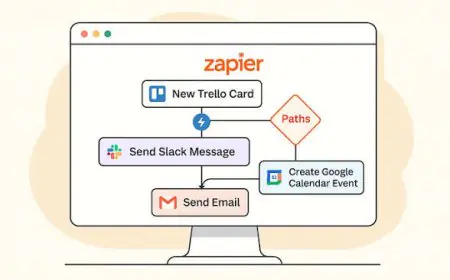
One of the most disruptive features of this new wave of assistants is proactivity. Traditional automation tools like Zapier or IFTTT are essentially "if-this-then-that" logic gates. They are powerful but require manual setup for every scenario. Clawdbot, powered by the Model Context Protocol (MCP), can reason through complex requests and handle "if-this-then-maybe-that" situations.
For example, if a flight is delayed, a standard automation might send you a notification. Clawdbot, however, can see that the delay will cause you to miss a scheduled meeting. It can proactively message you on Telegram, offer to reschedule the meeting for a time it knows both parties are free, and update your to-do list to remind you to grab a meal at the airport—all in one go. It is effectively subsuming the roles of the calendar, the assistant, and the automation layer simultaneously.
Is the App Store Model Dying?
As agents become more capable of navigating the web and interacting with APIs, the need for specialized "point solution" apps decreases. If you can perform every necessary action through a chat bubble, the visual interface of a task manager becomes secondary. We are moving toward a "headless" software era where the backend logic of our favorite tools remains, but the user interface is simply the AI you trust most.
Industry analysts at Forrester suggest that by the end of 2026, a significant percentage of enterprise software will be accessed via agents rather than traditional dashboards. This shift favors open-source projects like Clawdbot because they offer a level of privacy and customization that walled-garden platforms cannot match. Users can host their own "agent gateway," ensuring their schedule and private notes never leave their own hardware, even while using the world's most advanced AI models.
Conclusion
The transition from a collection of apps to a single, agent-driven interface is well underway. While specialized tools will always have a place for deep, focused work, the "management" of our lives is being handed over to assistants like Clawdbot. By subsuming the calendar, the to-do list, and the automation engine into one conversational stream, these tools aren't just making us faster—they're finally making technology work for us, instead of the other way around.