







































How Gemini Auto Browse Turns Google Chrome into a Literal Operating System for Your Life
Google has officially bridged the gap between search and action with the launch of "Auto Browse" for Gemini. By evolving from a simple chatbot into a proactive agent that can autonomously navigate the web, fill forms, and execute complex tasks, Google is transforming Chrome from a mere browser into the first true AI-driven operating system.

The Evolution from Browser to Agentic OS
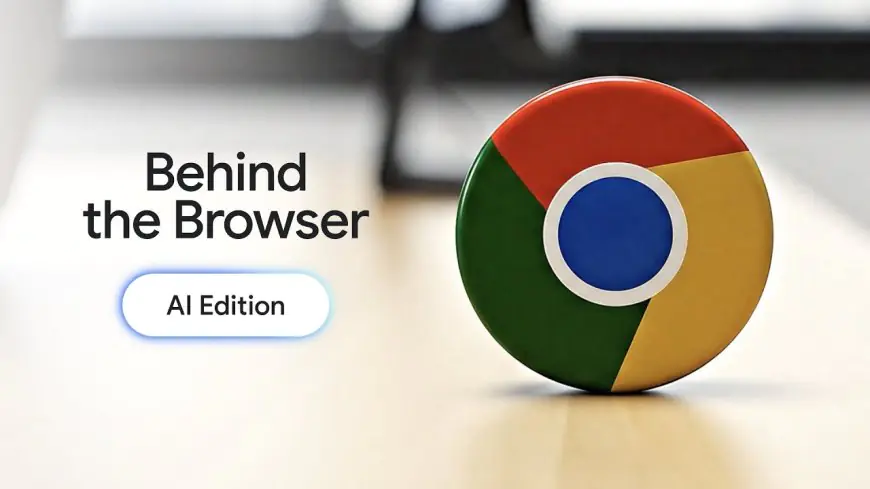
For decades, the web browser was a window—a passive tool we used to look at information. We searched, we clicked, we scrolled, and we manually typed. But as of January 2026, Google has fundamentally altered that relationship. With the integration of Gemini Auto Browse (formerly known as Project Jarvis), Google Chrome has graduated from being a piece of software to a literal operating system for digital actions. The "Search" button is being replaced by the "Execute" button.
This isn't just a smarter version of Google Assistant. It is the arrival of the agentic web. Powered by the multimodal reasoning of Gemini 3.0, the browser can now "read" the visual layout of any website, understand its interactive elements, and perform multi-step workflows on behalf of the user. Whether it's comparing flight prices, filing a complex insurance claim, or restocking a pantry, Google has created a system where the AI does the "work" of browsing while the human simply provides the intent.
The Power of "Auto Browse": What It Actually Does
The magic of Gemini Auto Browse lies in its ability to handle horizontal tasks—tasks that require jumping between multiple tabs and disparate websites. Imagine asking your browser: "Find me a weekend getaway in Sedona for under $800, book a dog sitter for those dates, and send the itinerary to my partner."
In the past, this would take an hour of manual effort. Today, Gemini handles the entire sequence:
- Navigation: It opens travel sites to compare prices and availability.
- Reasoning: It cross-references your Google Calendar to ensure no conflicts.
- Action: It navigates to a pet-sitting platform, selects a preferred sitter based on your past history, and drafts the booking.
- Confirmation: It presents the final summary for a one-click biometric approval.
This level of integration is why analysts are calling Chrome the "AI OS." It is no longer about the website you are visiting; it is about the objective you are trying to achieve. As noted by The Verge, this move allows Google to own the user's intent from start to finish, bypassing the traditional friction of the open web.
Total Vertical Integration: The Google Advantage
Why is Google winning the agent race in 2026? It’s a matter of infrastructure. While competitors like OpenAI or Anthropic have to "hook into" browsers via extensions or API layers, Google is the browser. Google Chrome holds a 65% global market share, providing Gemini with a native, high-speed environment to operate.
Furthermore, the Google Workspace integration provides the "contextual memory" that other agents lack. Gemini knows your travel preferences from Gmail, your schedule from Calendar, and your budget from Sheets. This verticality—from the hardware level (TPU v7 chips) to the application level (Chrome)—allows Google to offer a seamless experience that feels less like a tool and more like an extension of the user's brain.
The Future of "Silent" Computing
The ultimate goal of the Gemini-powered OS is frictionless commerce. By using the Universal Commerce Protocol, Google is making it possible for agents to buy products directly within the search interface. You don't "go to Walmart.com"; you tell Gemini you need milk, and Gemini handles the transaction through the Walmart backend.
This shift to a "headless" or "silent" web experience is redefining digital marketing. Brands are no longer optimizing for human eyes; they are optimizing for Answer Engine Optimization (AEO), ensuring that Gemini’s agent perceives their product as the best solution for the user's intent. According to reports from Wired, this transition could eventually render the "home page" of most websites obsolete, as users interact solely through the AI layer.
Security and the Guardrails of Agency
Giving a browser the power to act on your behalf raises massive privacy questions. Google has countered this with "Sandboxed Agency." Every action Gemini takes is visible in a side-panel timeline, and the AI is hard-coded to require human authentication for any action involving money, data sharing, or sensitive communications. This "human-in-the-loop" philosophy ensures that while the agent is autonomous, the user remains the sovereign of their digital life.
As we head into mid-2026, the browser is no longer a place you go to see things. It is a place you go to get things done. Google Gemini Auto Browse has officially turned the page, proving that the future of the internet isn't found in a better search bar, but in a browser that works for you.