





























CoreWeave Stock Surged Today Following Huge AI Cloud Infrastructure Breakthroughs
CoreWeave (CRWV) shares jumped over 12% as investor confidence in AI infrastructure reached new heights. The surge follows a series of major catalysts, including the company joining the Department of Energy’s Genesis mission, CEO Michael Intrator’s reassurance regarding GPU longevity, and the upcoming deployment of Nvidia’s next-generation Rubin platform.


The Resurgence of the AI Neocloud
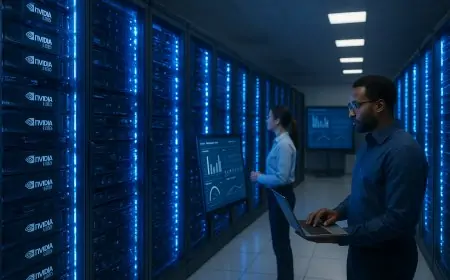
The early days of 2026 are proving to be a defining moment for the specialized cloud providers often called "neoclouds." Among them, CoreWeave (NASDAQ: CRWV) has emerged as the clear leader, with its stock price recently jumping more than 12% in a high-volume trading session. This rally isn't just a random market fluctuation; it represents a significant shift in how Wall Street views the long-term viability of dedicated AI infrastructure companies in a world that can't get enough of high-end computing power.
The spark for this latest move came from a multi-pronged attack of positive news. From high-level government partnerships to strategic technological upgrades, CoreWeave is positioning itself as more than just a landlord for GPUs. It is becoming the essential backbone for the next era of agentic AI and large-scale reasoning models.
Restoring Confidence in the Useful Life of GPUs
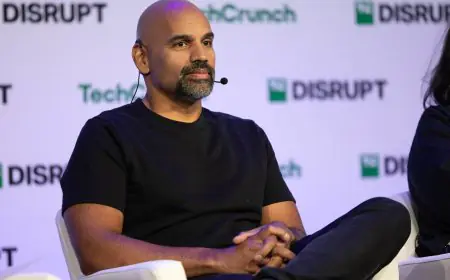
One of the biggest weights on CoreWeave’s stock throughout late 2025 was a lingering fear among analysts regarding "GPU depreciation." Skeptics argued that as Nvidia releases new chips at a breakneck pace, older hardware might become obsolete before CoreWeave could even pay off the debt used to buy them. However, CEO Michael Intrator recently took to the airwaves to dismantle this narrative.
In a widely circulated discussion, management clarified that the useful life of these high-end chips is significantly longer than the market bears had predicted. They pointed out that even as newer architectures like Blackwell and Rubin arrive, the demand for older Hopper-based clusters remains "insatiable" for inference and smaller-scale training tasks. This reassurance acted as a major catalyst, helping the stock reclaim key support levels as investors realized the company's $14 billion debt load is backed by assets that aren't going to turn into paperweights anytime soon.
Joining the DOE Genesis Mission
Perhaps the most prestigious piece of news driving the current momentum is CoreWeave’s inclusion in the U.S. Department of Energy’s Genesis mission. This federal initiative is designed to advance domestic AI research and ensure the United States maintains its lead in technological innovation. By joining this mission, CoreWeave has secured a level of institutional credibility that few of its rivals can match.
This partnership isn't just about prestige; it’s about stable, long-term demand. According to reporting from StocksToTrade, the collaboration with the DOE showcases the market's enthusiasm for CoreWeave's ability to handle national-scale projects. This move effectively diversifies their revenue stream beyond just commercial tech giants like Meta and Microsoft, providing a much-needed "revenue backstop" that protects against fluctuations in the private sector.
The Nvidia Rubin Factor
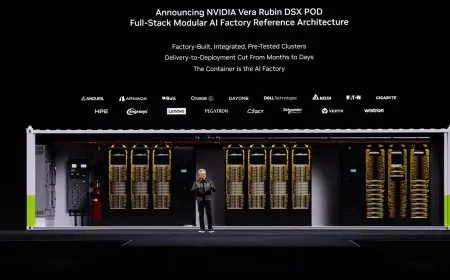
Technologically, CoreWeave is already looking toward the second half of 2026. The company recently announced it will be among the first to deploy Nvidia’s Rubin platform, the highly anticipated successor to the Blackwell architecture. Rubin is specifically designed to handle "agentic AI"—systems that can reason and perform complex multi-step tasks autonomously. By being first in line for this hardware, CoreWeave ensures that the world’s most advanced AI labs will continue to prioritize its cloud over more generalized providers.
Wall Street is also keeping a close eye on the company’s staggering revenue backlog. As noted on Nasdaq, analysts expect CoreWeave’s revenue to potentially double throughout 2026, driven by multi-billion dollar contracts with the likes of OpenAI and Google. While the company is still navigating the path to GAAP profitability, the underlying EBITDA margins—which some estimates place near 60%—suggest that the business model is working exactly as intended.
Is the Momentum Sustainable?
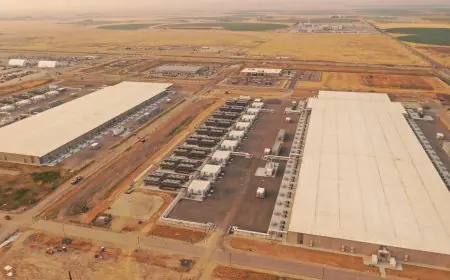
Despite the 12% surge, challenges remain. CoreWeave is still dealing with high capital expenditure requirements and the logistical hurdles of building out massive data centers in record time. However, the narrative has clearly shifted from "can they survive?" to "how fast can they grow?" With a diversified client base and a deep partnership with Nvidia, CoreWeave is proving that the specialized AI cloud isn't just a trend—it's the future of the industry.