

































Why Ray Dalio Thinks the AI Market is Entering a Dangerous Bubble Phase
Bridgewater Associates founder Ray Dalio warns that the AI sector is showing signs of an early market bubble, with stock valuations reaching 80% of historic peaks, urging investors to prioritize diversification over speculation.
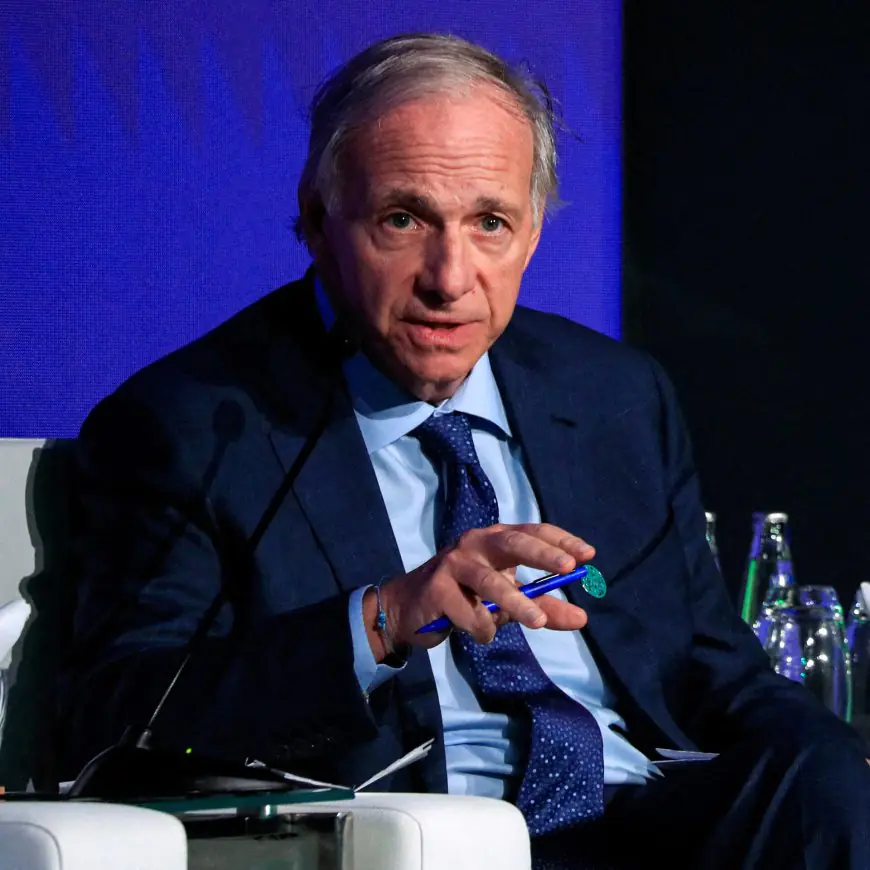


The Oracle of Macroeconomics Issues an AI Warning
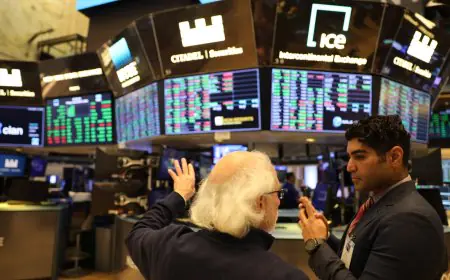
The meteoric rise of artificial intelligence has been the primary engine of the global stock market for the last three years, but one of the world’s most respected hedge fund managers is now sounding the alarm. Ray Dalio, the billionaire founder of Bridgewater Associates, recently characterized the current AI boom as entering an "early stage bubble." Speaking at a high-profile financial forum in early 2026, Dalio pointed out that while the technology is revolutionary, the financial enthusiasm surrounding it is beginning to outpace the underlying economic reality.
According to Dalio’s proprietary bubble indicator—a tool that evaluates everything from asset valuations and sentiment to leverage and new-buyer flows—the current market is roughly 80% of the way toward the peaks seen during the 1929 Great Crash and the 2000 Dot-com bubble. This isn't just a casual observation; it is a calculated warning for investors who have become overly concentrated in a handful of high-flying tech stocks, often referred to as the "Magnificent Seven."
Understanding the Mechanics of a Market Bubble
In his analysis, Dalio emphasizes that a bubble doesn't necessarily mean a crash is imminent tomorrow. He famously noted that "stocks can rise significantly before the bubble ultimately bursts." However, the structural signs are becoming impossible to ignore. For a bubble to be "pricked," there typically needs to be a catalyst—usually a tightening of monetary policy or a sudden need for cash among leveraged investors.
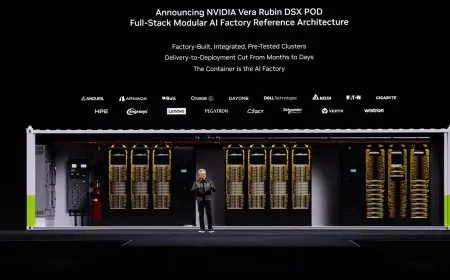
The current landscape is unique because, despite high valuations, the "pricking" mechanism hasn't fully engaged yet. The Federal Reserve has maintained a relatively accommodative stance, and corporate earnings for leaders like NVIDIA have, until recently, managed to justify their steep price tags. But Dalio warns that the "weak hands"—investors relying heavily on margin debt to fuel their positions—are particularly vulnerable to any sudden shifts in liquidity or unexpected tax liabilities.
Strategic Moves for the Cautious Investor
So, should you sell everything? Not necessarily. Dalio’s advice is nuanced: he isn't calling for a panic sell-off, but rather a disciplined rebalancing. He suggests that the returns for AI-linked stocks over the next decade are likely to be modest, perhaps even ranging between 2% and -2% annually when adjusted for inflation. To navigate this, he recommends a strategy of "radical diversification."
- Diversify across 15+ uncorrelated return streams: Don't put all your eggs in the tech basket.
- Increase exposure to gold: Dalio has long been a proponent of gold as a hedge against currency devaluation and market volatility.
- Monitor the "Need for Cash": Watch for signs that investors are being forced to sell assets to cover debts or taxes.
For more in-depth data on how global markets are responding to these warnings, you can visit the Reuters Finance section. Additionally, investors looking for a deep dive into historical bubble patterns should check out Bloomberg’s Market Analysis.
The Road Ahead for 2026 and Beyond
As we move further into 2026, the question remains: will AI deliver the productivity gains needed to support these valuations, or will it follow the path of past industrial bubbles? While the long-term impact of AI on the global economy is undoubtedly positive, Dalio reminds us that the financial markets often get ahead of themselves. For now, the "Companion to AI Living" isn't just a home ecosystem; it's a market phenomenon that requires a steady hand and a very cautious eye on the exit door.