


































LimX Dynamics Shatters Pricing Barriers with the New TRON 2 Robot
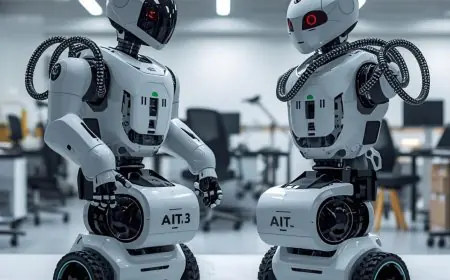
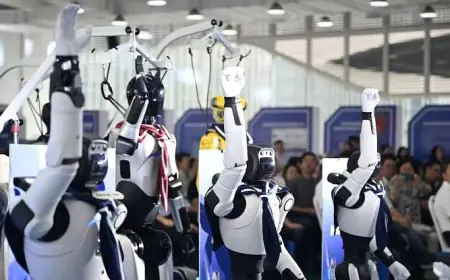
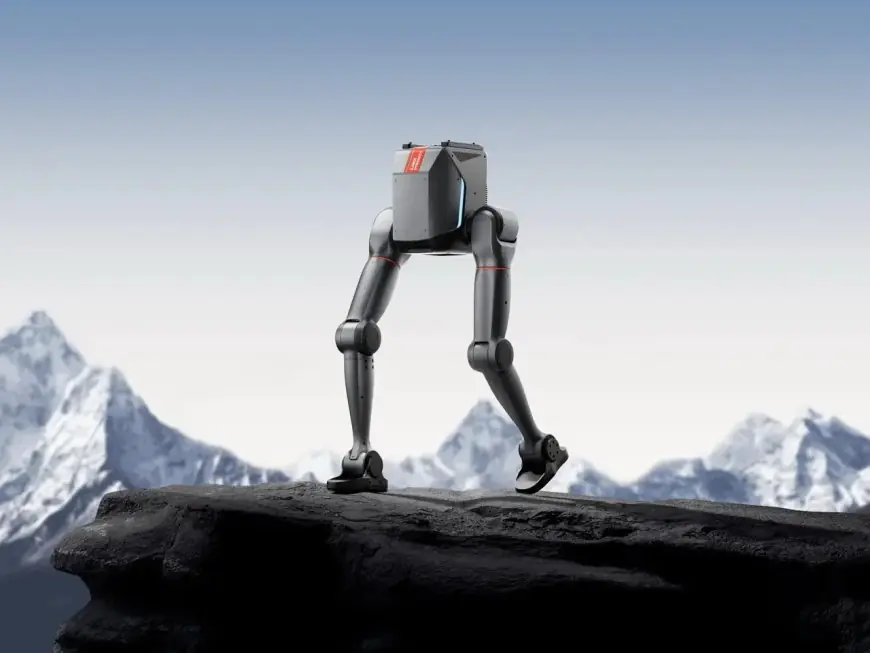
LimX Dynamics has officially launched the TRON 2, a revolutionary multi-form robot starting at just $7,000. With its ability to switch between bipedal, wheeled, and dual-arm configurations, the TRON 2 is positioning itself as the most cost-effective development platform for the next generation of embodied AI.
The Disruptor the Robotics World Needed
For years, the dream of owning a versatile, high-performance humanoid robot was reserved for well-funded research labs and tech giants with million-dollar budgets. However, Shenzhen-based startup LimX Dynamics is flipping the script. With the official launch of the TRON 2, the company has introduced a "multi-form embodied robot" that starts at an astonishing $7,000. To put that in perspective, its predecessor, the TRON 1, hit the market at roughly double that price just a year ago.


The TRON 2 isn't just a cheaper version of what came before; it is a significant leap forward in "bang for your buck" value. By offering a modular system that can transform to meet different industrial or research needs, LimX Dynamics is effectively providing three robots for the price of one. This aggressive pricing strategy is clearly designed to saturate the market and make the TRON 2 the gold standard for developers working on Vision-Language-Action (VLA) models.
One Base, Three Forms: Why It's a Game Changer
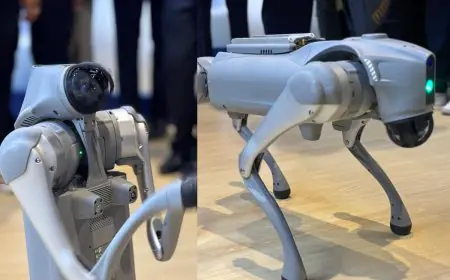
The real secret to the TRON 2’s value proposition lies in its Tri-Form configuration. Instead of buying separate units for different tasks, users can reconfigure the hardware into three primary modes:
- Bipedal Walker: Ideal for navigating complex human environments, including the ability to climb stairs using visual motion planning.
- Wheeled-Leg Hybrid: Optimized for speed and efficiency on flat surfaces, reaching up to 5 m/s while supporting a massive 30 kg payload.
- Dual-Arm Manipulator: A stationary or mobile setup featuring 7-DOF (Degrees of Freedom) arms with a 70 cm reach, perfect for fine manipulation tasks.
According to official specifications from LimX Dynamics, the TRON 2 features a 100% increase in maximum payload and an 80% boost in battery capacity compared to the previous generation. For $7,000, getting a robot that can carry 66 pounds while rolling at high speeds is unheard of in the current landscape of embodied AI.
A "Data Machine" for the AI Age
Beyond the hardware specs, the TRON 2 is being marketed as an "all-in-one data platform." The biggest bottleneck in AI today isn't just compute power—it’s high-quality, real-world interaction data. LimX Dynamics has designed the TRON 2 to be a vacuum for this data. As it moves, fails, and corrects itself, it records every visual and motor interaction to refine its own internal models.
The robot comes pre-loaded with support for mainstream AI models like π0.5 and ACT, allowing researchers to skip the tedious setup phase and get straight to innovation. For those in the educational sector, the $20,000 EDU Edition includes a fully configured humanoid torso with grippers and advanced AI computing power, making it a turnkey solution for universities.
Is It Truly the Best Value?
When you compare the TRON 2 to competitors like the Unitree G1 or various Boston Dynamics platforms, the price-to-performance ratio is difficult to ignore. While other robots might offer more "lifelike" aesthetics, the TRON 2 prioritizes utility and modularity. It is a tool designed for work, not a showpiece. As reported by The Robot Report, its active safety boundaries and dual-redundant power systems ensure that the hardware is protected even during experimental failures, further lowering the long-term cost of ownership.
In an industry where a single robotic arm can often cost more than $10,000, a complete, mobile, dual-arm system for $7,000 is more than just a deal—it’s a declaration of a new era in accessible robotics.
Would you like me to compare the TRON 2's specific technical specs against the Unitree G1 to see which one holds up better for industrial use?