




















AI is Finally Moving from Chatbots to Physical Robots
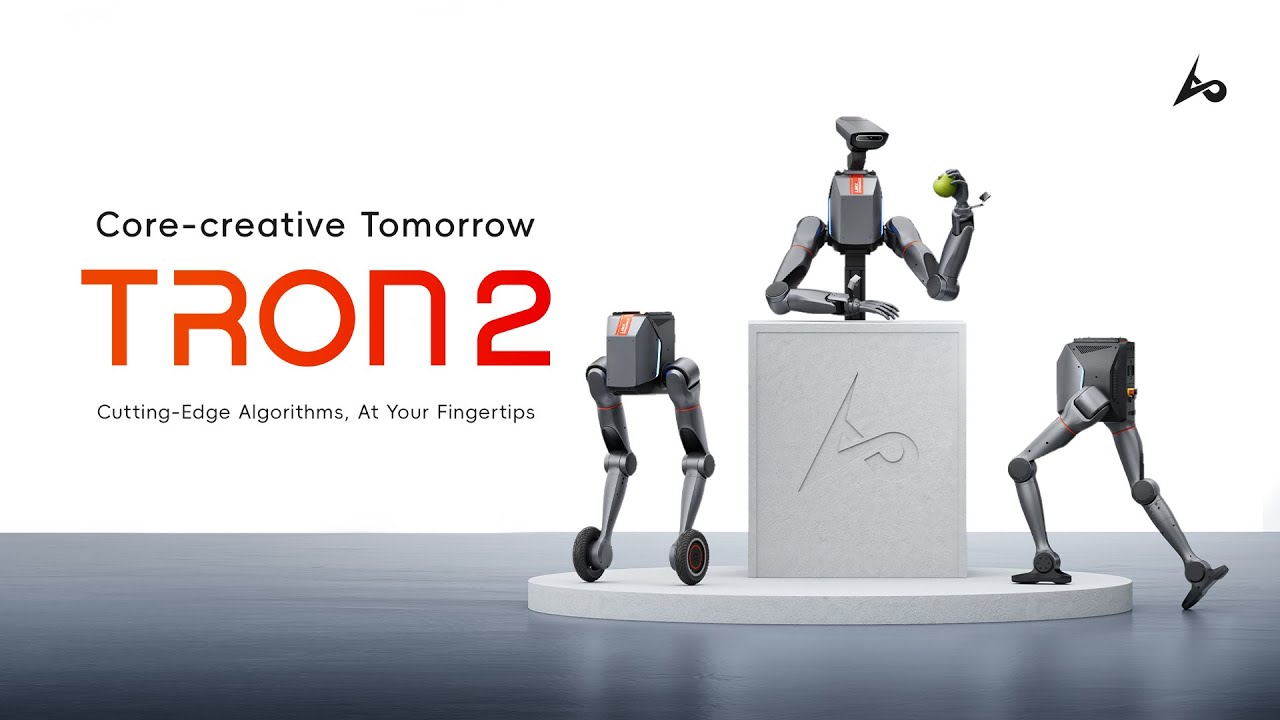
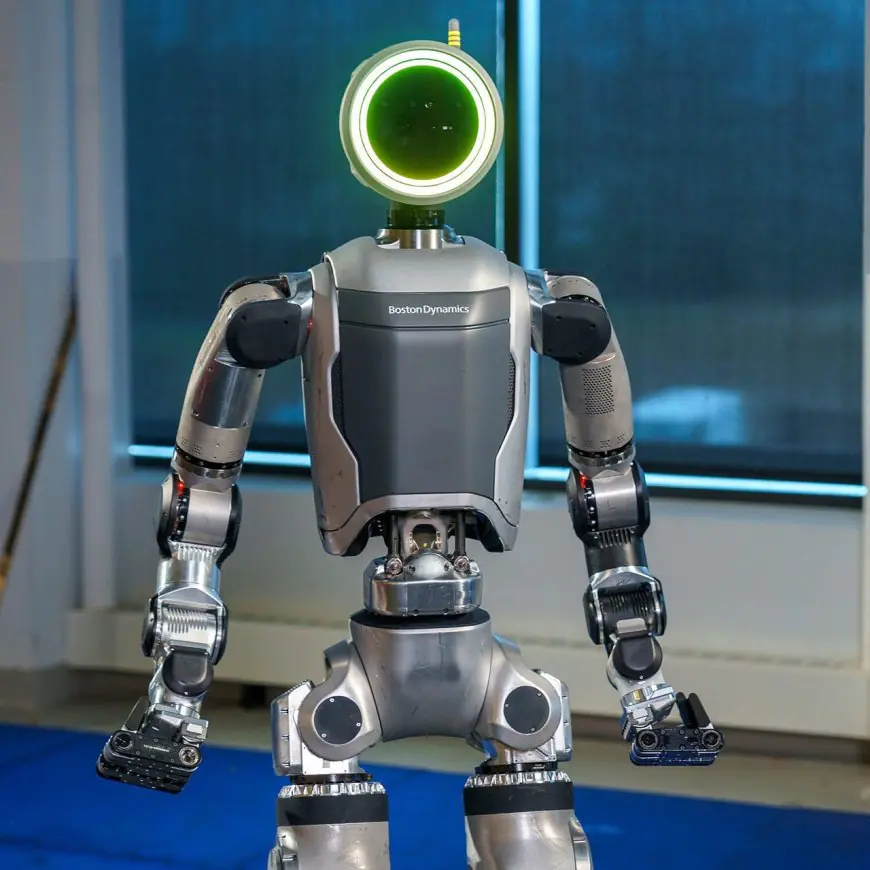
The digital brain has finally found its body. Experts say we are entering the era of physical artificial intelligence where large language models are escaping our screens and entering humanoid robots to perform real-world tasks.


The Great Leap from Digital to Physical
For the past few years, our interaction with artificial intelligence has been confined to a glowing rectangle. We typed prompts into ChatGPT, generated images on Midjourney, and watched as AI transformed the way we write emails. But as we move further into 2026, the era of "Screen AI" is quickly being eclipsed by something much more tangible. We are officially entering the era of robots, where the intelligence we have spent years refining is finally getting a physical form.
This shift represents the birth of what researchers call Embodied AI. It is one thing for a machine to describe how to fold a shirt or organize a warehouse; it is an entirely different challenge for that machine to actually do it. By merging the reasoning capabilities of large language models with advanced mechanical engineering, the tech world is moving past mere digital generation and into the realm of physical utility.
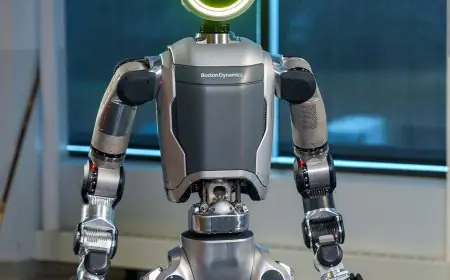
Key players in the industry, from established giants like Tesla with its Optimus project to innovative startups like Figure AI, are racing to perfect the "General Purpose Robot."These machines are designed to operate in environments built for humans—using our tools, walking up our stairs, and opening our doors. According to recent insights from IEEE Spectrum, the integration of vision-language-action (VLA) models is what allows these machines to translate a verbal command into a complex physical movement without pre-calculated coordinates.
- Vision-Language Integration: Allowing robots to identify objects and understand context simultaneously.
- Dexterous Manipulation: Engineering hands that can handle delicate glassware or heavy industrial tools with the same precision.
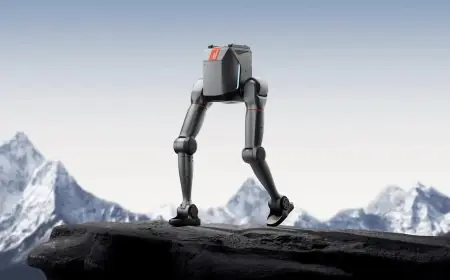
- Autonomous Navigation: Moving through dynamic environments like busy kitchens or crowded hospital hallways safely.
The End of the Labor Shortage
One of the primary drivers behind this massive push into robotics is the global labor crisis. In sectors like manufacturing, logistics, and elder care, there simply aren't enough human workers to meet demand. Physical AI offers a scalable solution.Unlike traditional automation, which requires a factory to be rebuilt around a machine, humanoid robots can be "dropped in" to existing workflows. They don't require specialized tracks or safety cages; they work alongside us.
This transition is already beginning to show results in pilot programs across the globe. From sorting recyclables to performing repetitive assembly line tasks, robots are taking over the "Dull, Dirty, and Dangerous" jobs that humans are
increasingly moving away from. As noted in a deep dive by MIT Technology Review, the goal isn't necessarily to replace the human workforce, but to augment it, allowing people to focus on oversight and creative problem-solving while the hardware handles the heavy lifting.
What to Expect in the Coming Years
While we are seeing the first successful deployments in controlled environments like factories, the move into the home is the final frontier. We are still a few years away from a robot that can reliably cook a five-course meal or clean a messy playroom, but the foundation is being laid today.The hardware is becoming more affordable, and the AI models are becoming more "spatial," meaning they understand the physics of the world better than ever before.
The era of robots is not just about the machines themselves; it is about the democratization of physical effort. Just as the internet democratized information, embodied AI has the potential to democratize labor. As these systems become more autonomous and reliable, the boundary between the digital world and the physical world will continue to blur, forever changing how we live, work, and interact with the technology around us.The chatbots haven't just learned to talk—they've learned to walk, and they aren't looking back.