













AI's Hollywood Journey from Villain to Oscar-Winning Ally
AI once feared during Hollywood strikes now plays a pivotal role in Oscar-winning films, redefining creativity and sparking ethical debates.
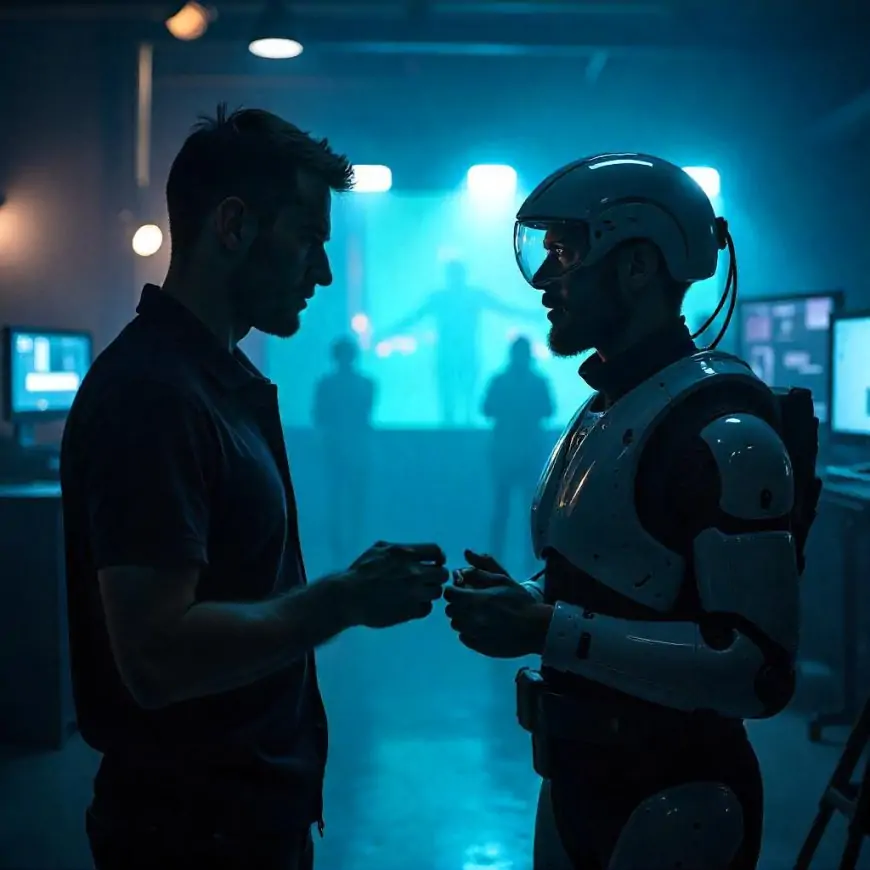
Artificial intelligence has transformed its role in Hollywood, shifting from an existential threat during industry strikes to a celebrated tool in Oscar-winning films. The evolution reflects both technological advancements and ongoing ethical debates about AI's place in creative industries.

In 2023, Hollywood faced unprecedented strikes by actors and writers over fears of AI replacing human creativity. Unions like SAG-AFTRA and WGA raised alarms about studios potentially exploiting AI to replicate performers’ likenesses or generate scripts without consent or fair compensation. The fear was palpable: generative AI tools like ChatGPT and MidJourney showcased their ability to produce lifelike images and compelling narratives, threatening traditional creative roles.
Fast forward two years, AI has become integral to filmmaking. Films like Emilia Pérez and The Brutalist, both Oscar contenders this year, utilized AI for nuanced post-production enhancements. Emilia Pérez used voice-generating software to refine performances, while The Brutalist employed AI to perfect Hungarian language dialogue for authenticity. Even blockbuster hits like Dune: Part Two leveraged AI for visual effects, creating the iconic glowing blue eyes of the Fremen.
This technological shift has sparked both admiration and controversy. While AI enables cost-effective production and creative possibilities, critics argue it risks devaluing artistic authenticity. The Academy of Motion Picture Arts and Sciences is reportedly considering new rules requiring filmmakers to disclose the extent of AI usage in their submissions. Transparency is increasingly vital as audiences question where human artistry ends and machine-driven innovation begins.
Hollywood’s relationship with AI remains complex. On-screen, AI continues to be portrayed as a villainous force—seen in films like Mission Impossible: Dead Reckoning—mirroring real-world fears about its misuse. Off-screen, however, the technology is reshaping the industry, offering tools that enhance rather than replace human creativity when used responsibly.
As AI’s role in filmmaking grows, it challenges the boundaries of artistic contribution and ethical practices. Whether it will harmonize with traditional craftsmanship or overshadow it remains a pressing question for Hollywood’s future.