


























Why RAM Not GPUs Will Be the Real AI Chokepoint in 2026
While the tech world has spent years obsessing over GPU supply, 2026 has revealed a different kind of bottleneck. A structural "RAMpocalypse" is currently unfolding as data centers consume 70% of global memory production, leaving smartphones and PCs in a state of scarcity and driving hardware prices to record highs.


The "RAMpocalypse" of 2026 Is Here
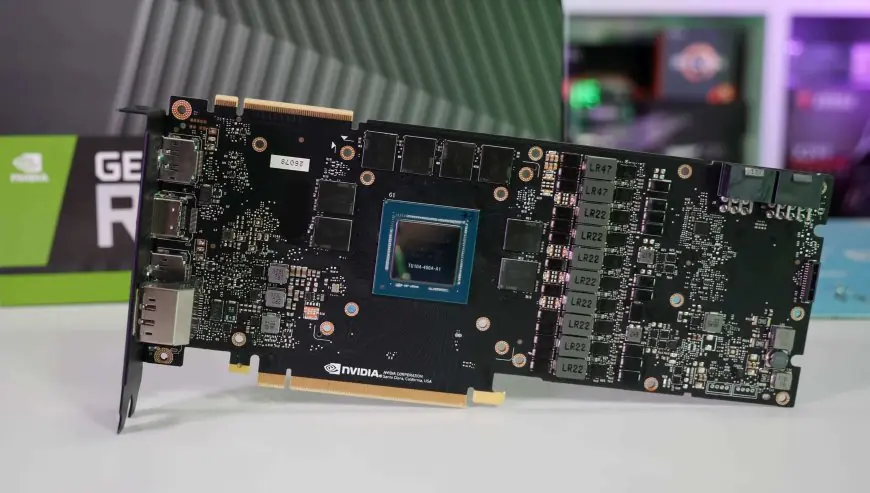
For the last few years, the narrative of the AI revolution was written in the silicon of the GPU. Investors and engineers alike tracked Nvidia’s every move, treating H100s and Blackwell chips like digital gold. However, as we settle into 2026, the bottleneck has shifted. The primary "speed limit" for artificial intelligence is no longer how many trillions of operations a chip can perform per second, but rather whether it has enough memory to feed those calculations.
The "Great Memory Shortage" of 2026 isn't just a temporary supply chain hiccup; it is a structural transformation of the entire industry. As of January 2026, DRAM prices have surged by a staggering 171% year-over-year. We have officially reached a point where the world’s leading memory manufacturers—Samsung, SK Hynix, and Micron—have made a "permanent reallocation" of their capacity, choosing to feed the insatiable hunger of AI data centers while leaving the consumer market out in the cold.
Data Starvation: Why Fast GPUs Are Sitting Idle
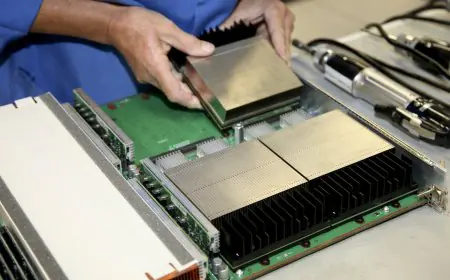
The fundamental problem of 2026 is "data starvation." A state-of-the-art AI accelerator can process thousands of calculations simultaneously, but it can only do so if it is constantly fed with information. If the memory bandwidth or capacity fails to keep up, those multi-million dollar compute units stall. This "memory wall" is why we are seeing a desperate pivot toward High Bandwidth Memory (HBM).
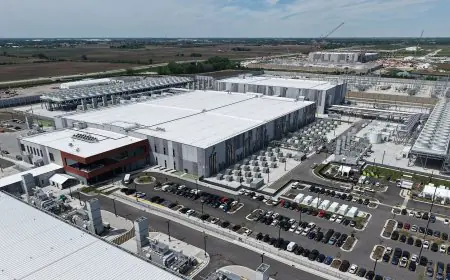
According to reports from Windows Central, AI data centers are expected to consume a massive 70% of all global DRAM production this year. To put that in perspective, every gigabyte of HBM4 used in a server rack requires roughly three times the wafer capacity of a standard gigabyte of DDR5 used in a laptop.In simple terms, for every AI "superbrain" that gets built, three potential high-end gaming PCs or dozens of smartphones never make it to the assembly line.
The Impact on Your Pocket: From Laptops to Smartphones
If you’ve noticed the price of your favorite tech brand creeping upward lately, you can thank the RAM shortage. Because memory now accounts for nearly 20% of the total bill of materials for a mid-range smartphone, manufacturers like Dell, Lenovo, and Samsung are being forced to make some difficult choices. In a startling reversal of the "more is better" trend, many 2026 flagship smartphones are launching with 12GB of RAM—the same as 2024 models—simply to avoid a retail price explosion.
The PC market is facing similar volatility. As the "AI PC" marketing push requires a minimum of 16GB (and ideally 32GB) of RAM to run local models effectively, the cost of these systems has ballooned. For many consumers, the era of "cheap RAM" is over. We are seeing a return to soldered, non-upgradeable memory configurations as manufacturers try to squeeze every bit of efficiency out of a limited supply.
The Long Road to Recovery
So, when will the relief come? Don't hold your breath. While memory makers are investing hundreds of billions into new "mega-fabs," these facilities aren't expected to reach meaningful volume until 2027 or 2028. As noted by IDC, the industry is currently in a "zero-sum game." Every wafer of silicon dedicated to a high-margin AI chip is a wafer taken away from a consumer product.
This structural deficit means that 2026 will be the year of "hardware preservation." For both individuals and enterprises, the strategy has shifted from constant upgrades to maximizing the lifespan of existing gear. The AI revolution may be powered by GPUs, but in 2026, it is being throttled by RAM. In the battle for the future of computing, the real king isn't the processor—it's the memory that keeps it alive.