
























Why 2026 Will Mark Google Return as the Undisputed Tech Superpower
As we enter 2026, Google has successfully navigated the AI transition, reclaiming its throne through a massive pivot to agentic AI, record-breaking cloud growth, and the successful rollout of its unified Aluminium operating system.

The Great AI Re-Alignment of 2026
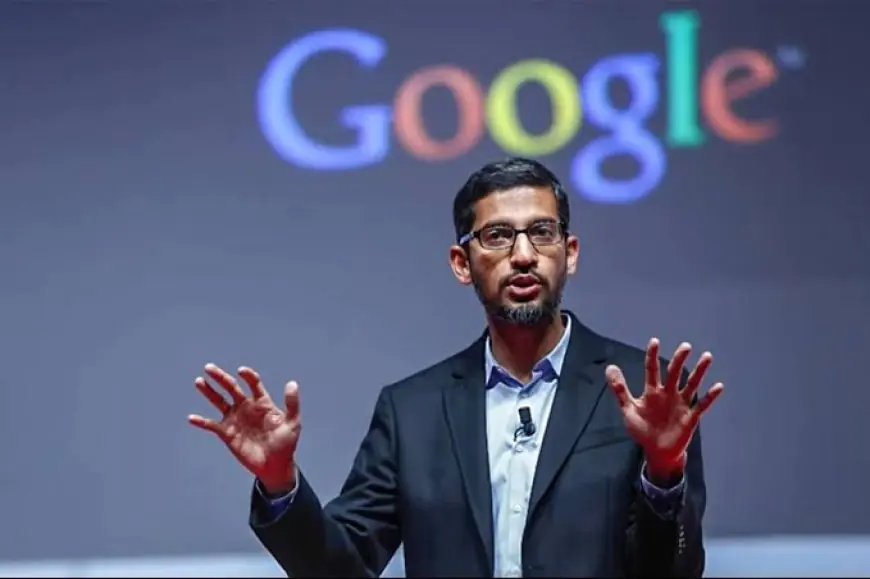
Just eighteen months ago, industry analysts were writing Google’s obituary. The narrative was simple: the "search giant" was too slow to react to the generative AI revolution, trapped by its own success and the lucrative "ten blue links" model. However, as we move through January 2026, that narrative has been completely dismantled. Alphabet has not only weathered the storm but has emerged as a leaner, faster, and more vertically integrated powerhouse, recently crossing the $4 trillion market cap threshold.
The turning point wasn't a single product launch, but a fundamental shift in how the company views itself. By moving from a search engine to an "Agentic AI utility," Google has successfully cannibalized its own traditional revenue streams before competitors could do it for them. This transition has proven that the company’s deep-seated infrastructure, built over two decades, was its greatest hidden weapon.
The Infrastructure Advantage and the TPU Surge
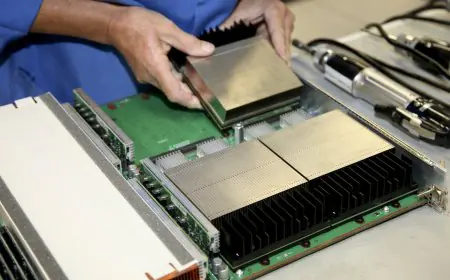
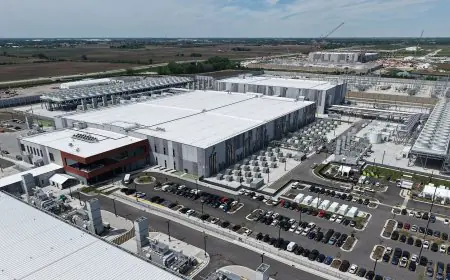
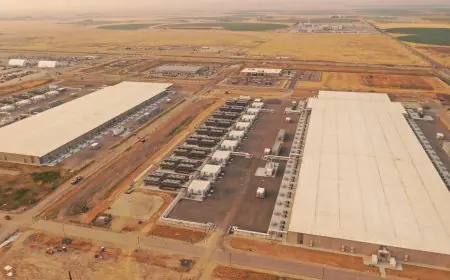
While the rest of the tech world spent 2024 and 2025 fighting over a limited supply of third-party GPUs, Google took a different path. By doubling down on its proprietary Tensor Processing Units (TPUs), specifically the new Ironwood series, Google achieved something its rivals couldn't: massive scale at a fraction of the energy cost. This vertical integration allows Google to run complex inference for Gemini 3 and the newly teased Gemini 4 at roughly 25% of the cost faced by companies relying on external hardware.
According to a recent report by TechRepublic, Google’s 2026 roadmap centers on making these AI investments practical and secure. By owning the silicon, the model, and the data center, Google has created a "closed-loop" efficiency that is currently unmatched in the enterprise space. This has allowed Google Cloud to maintain a staggering 34% growth rate, with an estimated $155 billion backlog in enterprise contracts as we head into the second half of the year.
Search Evolves Into Agentic Action
The biggest fear for Google was the death of search. Instead, we are witnessing its rebirth. In 2026, "googling" something no longer means browsing a list of websites. Through the Universal Commerce Protocol (UCP), the search interface has become an active agent. If you ask Google to "plan a trip to Tokyo," it doesn't just give you links; it checks your calendar, books the flights via Gemini agents, and reserves tables at restaurants—all within a single, conversational interface.
This shift to "Agentic AI" has redefined the digital advertising landscape. Rather than paying for clicks, advertisers are now bidding for "agent placement," ensuring their services are the ones selected by the AI to fulfill a user's request. This has stabilized Google’s ad revenue while opening up entirely new streams of transaction-based commissions.
Aluminium OS and the Unified Ecosystem
Perhaps the most ambitious move of 2026 is the official rollout of Aluminium OS. For years, the line between Android and ChromeOS was blurred; now, it has been erased. This new unified operating system is designed from the ground up for an AI-native world. It treats AI not as an app, but as the core kernel of the system. Whether you are on a Pixel 11 or a high-end workstation, the OS learns your workflows across devices, creating a seamless "personal intelligence" that moves with you.
This ecosystem play is further bolstered by Google’s hardware division. The 2026 launch of Gemini-powered smart glasses, developed in partnership with leading eyewear brands, marks the first time wearable AI has felt like a utility rather than a gimmick. These glasses provide real-time translation and heads-up navigation, powered by the same models that run your Gmail and Workspace.
Waymo and the Future of Transportation
Beyond the screen, Google’s "Other Bets" are finally paying off. Waymo has reached its "Uber moment," surpassing 1 million weekly rides across major U.S. and international cities. As a significant contributor to Alphabet’s bottom line, Waymo proves that Google’s AI leadership isn't confined to digital text and images—it’s navigating the physical world with a safety record that far exceeds human drivers.
As J.P. Morgan noted in its 2026 investment outlook, the sheer scale of capital expenditure from the tech leaders—now nearing $500 billion collectively—favors the incumbents who can monetize that spend quickly. Google’s ability to turn AI research into profitable cloud services and autonomous systems has positioned it as the primary beneficiary of this cycle.
Conclusion
Google’s return to the top wasn't guaranteed. It required a ruthless willingness to reinvent its core business and a massive bet on custom hardware. As we look at the landscape of 2026, it’s clear that the "AI winter" for Google is over. By integrating Gemini into every facet of our lives—from our phones to our cars—Alphabet has secured its position as the central nervous system of the modern digital world.