






































The Importance of Fine-Tuning AI Models for Real-World Applications
Fine-tuning AI models enhances their performance by allowing them to learn from domain-specific datasets. This process refines the model's capabilities, making it more adept at handling specialized tasks within a particular industry or business function.
The Necessity of Fine-Tuning AI Models
Deploying AI models effectively in real-world applications is crucial for enterprises seeking to leverage technology for business growth. While pre-trained large language models (LLMs) provide a robust foundation, fine-tuning these models is essential to unlock their full potential and tailor them to specific enterprise needs.

How Fine-Tuning Enhances Performance
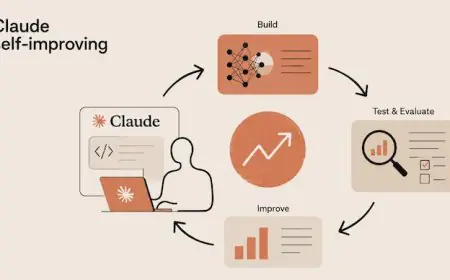
Fine-tuning involves adjusting the parameters of a pre-trained model using domain-specific data. This process refines the model's capabilities, making it more adept at handling specialized tasks within a particular industry or business function. For instance, a pharmacy chain using a vanilla LLM to provide medical information might risk inaccuracies if the model is not fine-tuned with up-to-date medical data. Fine-tuning ensures the AI can deliver precise, reliable information that reflects the latest industry standards and practices.
Benefits of Fine-Tuning AI Models
The benefits of fine-tuning AI models extend beyond accuracy and relevance. Fine-tuning also enhances the efficiency of AI-powered solutions. By honing the model's capabilities to focus on pertinent data and tasks, businesses can achieve faster, more accurate results. This is particularly valuable for enterprises looking to implement AI-generated content solutions, where precision and relevance are critical for success.
Adaptation and Flexibility
Fine-tuning allows businesses to tailor AI models to their unique needs and specific objectives. During the fine-tuning process, the model learns industry-specific, and even company-specific, jargon, technical terms, and nuances. This automatically enhances user experience because the outputs are far more accurate and specific. Furthermore, fine-tuning reduces the time and resources required for AI development, making AI adoption more accessible and cost-effective for businesses.
Real-World Applications
Fine-tuned AI models can be integrated into various business operations to significantly improve performance. For example, AI models can be fine-tuned to optimize customer service interactions, ensuring that responses are tailored to specific queries and concerns. In marketing, fine-tuned AI-generated content can deliver highly relevant and engaging messages to target audiences, boosting engagement and conversion rates. Unsloth has been generally acclaimed to be fast and effective with quantization and fine-tuning local models like Ollama, Qwen, Gemma.
As industries evolve and new challenges emerge, fine-tuned AI models provide the flexibility to adapt and maintain a competitive edge. By continuously updating and refining AI capabilities, businesses can stay ahead of trends and deliver exceptional value to their customers. Investing in the fine-tuning process ensures that AI models are well-equipped to meet the unique demands of your enterprise, delivering tangible results and a superior user experience.