








































Jobs That Might Go Extinct or Become Endangered by 2026
As artificial intelligence evolves at a breakneck pace, the global job market is bracing for significant shifts. By 2026, several roles—particularly those involving routine tasks, data processing, and basic interactions—could face extinction or severe endangerment, forcing a re-evaluation of human value in the workplace.


The Great Reshuffling: AI's Accelerating Impact on the Workforce
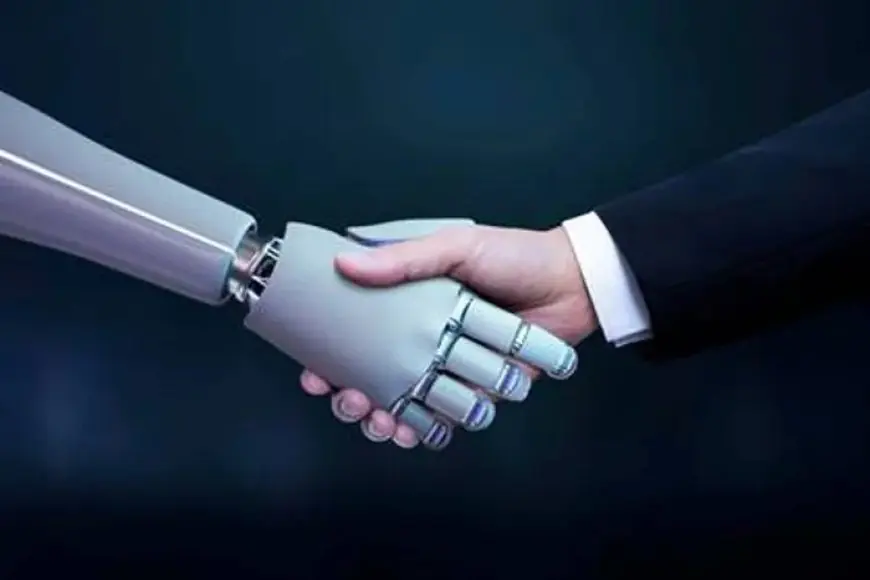
The conversation about artificial intelligence replacing human labor has shifted from a distant sci-fi possibility to an immediate economic reality. As we look ahead to 2026, the integration of advanced AI into the workplace is not just about efficiency; it's re-drawing the boundaries of what constitutes "human work." While new roles are certainly emerging, a distinct set of traditional jobs is finding itself on a critical list, facing a high risk of becoming obsolete or significantly diminished in demand.
This isn't merely about robots replacing factory workers on an assembly line—a trend that has been ongoing for decades. The new wave of automation, powered by generative AI and sophisticated machine learning algorithms, is coming for cognitive, white-collar tasks. The roles most at risk are those characterized by repetitive processes, predictable outcomes, and data handling that AI can now perform with superhuman speed and accuracy.
1. The Data and Administrative Processors
Roles centered on inputting, organizing, and basic analysis of data are among the most vulnerable. The traditional data entry clerk, for instance, is facing extinction. Optical character recognition (OCR) and AI models can now instantly extract information from physical documents, populate databases, and identify errors far faster than any human. Similarly, the roles of junior accountants and bookkeepers are rapidly changing. AI software can automatically categorize transactions, reconcile accounts, and even flag potential compliance issues. By 2026, the "human in the loop" for these tasks will likely shift from a doer to a final-stage auditor or strategist.
2. Frontline Customer Service Representatives
The customer service landscape is undergoing a seismic shift. While complex, emotionally charged customer issues will always require the empathy and nuanced understanding of a human agent, the bulk of tier-one support is being handed over to AI. The days of waiting on hold to ask a simple question about a return policy or account balance are numbered. Today's AI agents are conversational, context-aware, and capable of resolving a wide range of routine queries 24/7. For human support staff, this means their roles will evolve to handle only the most intricate problems that require out-of-the-box thinking and emotional intelligence.
3. Entry-Level Creative and Content Roles
Perhaps the most surprising development is the encroachment of AI into creative fields. Generative AI tools have demonstrated an alarming proficiency in producing basic copy, images, and even code. This puts entry-level roles like junior copywriters, basic graphic designers, and translators in a precarious position. Why would a company hire a person to write hundreds of standard product descriptions when an AI can generate them in seconds? According to the World Economic Forum's Future of Jobs Report, creative thinking is a top skill for the future, but the production aspect of low-level creative work is being automated. The role of human creatives is shifting towards high-level strategy, curation, and ensuring brand authenticity.
Adaptation is the Only Job Security
The outlook for 2026 serves as a stark wake-up call. The jobs that will survive and thrive are those that leverage uniquely human traits: complex problem-solving in ambiguous situations, emotional intelligence, strategic leadership, and genuine creativity. The workforce of the future won't just need to know how to use AI tools; they will need to bring value that the tools themselves cannot generate.