




































CIOs say the next major AI breakthrough is imminent
Top CIOs and enterprise leaders are sounding the alarm: 2026 is the year AI transitions from a "conversational tool" to an "autonomous agent," a shift that threatens to dismantle the trillion-dollar legacy SaaS industry and its seat-based pricing models.


The End of the "Copilot" Era
For the last three years, the corporate world has been obsessed with "Copilots"—AI assistants that help humans write faster, code better, and search smarter. But as we move through the first quarter of 2026, the world’s leading Chief Information Officers (CIOs) are warning that the "Copilot" era was merely the training wheels. The next major breakthrough—Agentic AI—is here, and it is about to fundamentally break the business models of the software giants we’ve relied on for decades.
According to recent Gartner and Forrester reports, the "SaaSpocalypse" is no longer a theoretical threat; it is an active market correction. As AI agents begin to execute end-to-end business processes autonomously, the traditional "per-seat" subscription model—the very foundation of companies like Salesforce, Zendesk, and ServiceNow—is facing an existential crisis.
From Chatbots to "Digital Employees"
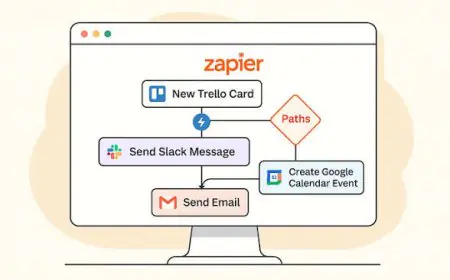
The breakthrough CIOs are witnessing is the shift from Generative AI to Agentic AI. Unlike a chatbot that waits for a prompt, an AI agent is designed to achieve a goal. It can navigate multiple software interfaces, pull data from a legacy ERP, negotiate with a vendor’s AI via the new Model Context Protocol (MCP), and finalize a transaction without a human ever clicking a button.
“We are moving from software that helps people work to software that is the work,” says a leading tech analyst. In 2026, CIOs are no longer buying "seats" for their employees; they are buying "outcomes." If an AI agent can handle 80% of a customer support department’s tickets, paying for 500 individual software licenses for human agents no longer makes financial sense. This has led to the rise of Agentic Enterprise License Agreements (A-ELAs), where companies pay based on the volume of tasks completed rather than the number of human users.
The "SaaSpocalypse" and the Great Reset
The market volatility seen in early February 2026—where software stocks took a massive hit following Anthropic’s Claude 4.6 and OpenAI’s "Frontier" launches—was a wake-up call. These new models aren't just smarter; they are "software-aware." They can autonomously audit code, manage accounting ledgers, and even "hunt" for inefficiencies across a company's digital stack.
Why Legacy SaaS is Vulnerable:
- Bloated Interfaces: AI agents don't need pretty dashboards; they need robust APIs. Legacy software with clunky UIs is becoming a "tax" on efficiency.
- Data Silos: CIOs are increasingly favoring "Build" over "Buy," using AI-native development platforms to create internal tools that keep data in-house rather than paying high "connector fees" to third-party vendors.
- Predictability vs. Performance: The old seat-based model provided predictable costs for CFOs. The new consumption-based "Agentic" model is more efficient but harder to budget, creating a friction point that only the most adaptable firms will survive.
The New Moat: Governance and Compliance
While the "AI replacement" narrative is strong, established players like Snowflake and Palantir are finding a second wind by leaning into what AI cannot yet do: Governance.
CIOs are realizing that while an AI agent can perform a task, it cannot yet own the liability for that task. The "moat" of the future isn't the software’s features, but its ability to provide a "trust architecture." Firms that can guarantee data provenance, ethical guardrails, and regulatory compliance are seeing their valuations recover as the initial panic of the AI breakthrough settles into a disciplined march toward value.
Conclusion: The Rise of the AI-First Organization
The imminent breakthrough isn't just a technical update; it’s a structural one. The most successful organizations in 2026 are those that have stopped treating AI as a "plugin" and started treating it as the operating system of the enterprise. As legacy SaaS firms scramble to pivot their pricing models to "Agentic-first," the power has shifted back to the CIOs who control the data and the workflows.
The "art of the possible" has become the "science of the profitable." In this new era, the winner isn't the company with the most software—it’s the company with the most effective agents.