














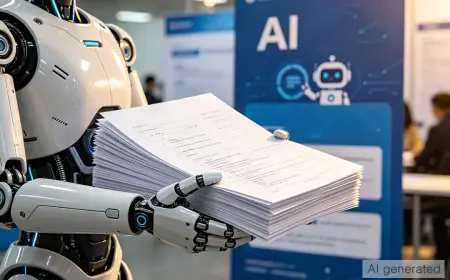






























Why Amazon is Cutting 16,000 Jobs and What AI Has to Do With It
As Amazon confirms a second massive wave of corporate layoffs in 2026, the tech world is debating whether this is a simple cost-cutting measure or the first major example of AI-driven workforce displacement.



The Quiet Transformation of the Seattle Titan
In late January 2026, the retail and cloud giant Amazon sent shockwaves through the tech industry by announcing the elimination of approximately 16,000 corporate roles. This move, which follows a previous round of 14,000 cuts in late 2025, brings the total reduction to nearly 30,000 white-collar positions in just a few months. While the sheer scale of the layoffs is headline-grabbing, the real story lies in the "why."
For the first time, analysts and former employees are questioning if we are witnessing the "AI Job Shock" that experts have predicted for years. Amazon leadership, including CEO Andy Jassy and Chief People Officer Beth Galetti, has framed the decision as an effort to "reduce bureaucracy" and "flatten management layers." However, the timing is impossible to ignore: these cuts coincide with Amazon’s plan to spend over $150 billion on AI infrastructure and automation in 2026 alone.
Is AI Replacing Middle Management?
The debate currently raging in boardrooms across Silicon Valley is whether AI is the cause of these layoffs or merely a convenient excuse for aggressive cost-cutting. According to internal memos, many of the affected roles were in departments like Amazon Web Services (AWS) and People Experience & Technology (HR)—areas where generative AI and "agentic" workflows are most effective.
Evidence suggests that Amazon is pivoting from a labor-intensive corporate model to an AI-integrated one. By deploying advanced AI assistants for routine administrative tasks and complex coding problems, the company can theoretically achieve more with fewer human supervisors. As one former employee noted, the goal seems to be a transition from a traditional "software factory" to a lean "intelligence engine."
Strategic Shift: From People to Pixels
While 16,000 jobs is a significant figure, it represents roughly 10% of Amazon’s corporate workforce. Interestingly, the frontline fulfillment and warehouse staff—which make up the bulk of the company's 1.5 million employees—remain largely unaffected by this specific round. This suggests that the 2026 layoffs are targeted specifically at the "middle" where data processing and project coordination happen.
The financial rationale is clear. Projections suggest that eliminating these roles could save Amazon upwards of $4 billion annually in salary and benefits. These savings are being funneled directly into high-growth areas, such as the AWS Bedrock platform and custom AI silicon like the Trainium3 chip. This is not just a retreat; it is a massive reallocation of capital toward the future of computing.
The Human Cost of Efficiency
Despite the official narrative of "speed and ownership," the human impact is profound. Most impacted U.S. employees are being given 90 days to find a new internal role, but the reality of the 2026 job market is that competition for "AI-immune" positions is fierce. As Meta and Google have also announced similar restructuring this year, the tech labor market is undergoing its most significant shift since the dot-com era.
Industry experts at the Associated Press have noted that while AI might not be the direct reason for every single termination, it acts as a catalyst. It provides companies the confidence to run "lean" because they know that automated systems can now pick up the slack of missing middle managers.
Conclusion: A Blueprint for the Future
Amazon’s 2026 restructuring serves as a bellwether for the global economy. It proves that even when profits are strong and stock prices are rising, no role is entirely safe from the drive for technological efficiency. The "bureaucracy tax" that Andy Jassy often mentions is being paid for in human capital, replaced by a digital workforce that never sleeps.
As we move further into the year, the question for professionals is no longer whether AI will change their job, but whether they can adapt to a world where "AI fluency" is the only job security left.