








































How Five Key AI Trends are Redefining Canadian Business in 2026
A landmark 2026 study reveals the five major artificial intelligence trends driving a surge in business confidence, operational speed, and consumer trust across Canada.


The New Era of Canadian AI Confidence
As we move into early 2026, the narrative surrounding artificial intelligence in Canada has shifted from "what if" to "how fast." According to the latest IBM Institute for Business Value (IBV) study, Canadian organizations are entering the year with a surprising level of optimism. Despite a global economic climate that remains unpredictable, an impressive 84% of Canadian executives report high confidence in their organization’s performance for 2026.
This surge in confidence isn't just blind hope; it is fueled by the aggressive integration of AI into core business strategies. We are seeing a move away from isolated pilot projects toward what experts call an "AI-first" operating model. For Canadian businesses, 2026 is officially the year where AI maturity becomes the primary differentiator between market leaders and those falling behind.
Five Trends Reshaping the Great North
The study highlights five specific pillars that are redefining the landscape for Canadian enterprises this year. These trends reflect a blend of technological advancement and a growing focus on ethical responsibility.
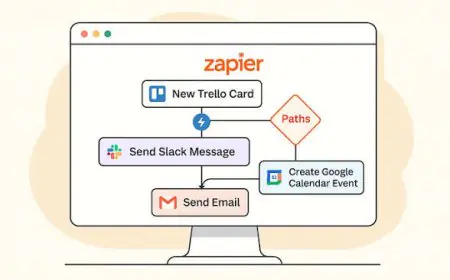
- The Rise of Agentic AI: Moving beyond simple chatbots, 86% of Canadian organizations are now using "agentic AI"—systems capable of making quality decisions and taking independent action to accelerate workflows.
- AI Sovereignty as a Priority: Data privacy and local control have taken center stage. Roughly 92% of executives now state that AI sovereignty must be a foundational part of their business strategy to ensure security and compliance.
- The Speed of Real-Time Operations: Speed is the new currency. 72% of leaders warn that companies unable to transition to real-time, AI-driven decision-making will likely lose their competitive edge by year-end.
- A Cultural Shift in the Workforce: While 57% of employees see AI as a positive force for corporate culture, a unique Canadian "trust gap" exists. Only 36% are comfortable being managed by AI, a figure significantly lower than the global average.
- Trust and Transparency: Transparency is no longer optional. A staggering 82% of Canadian consumers say they would lose trust in a brand if it concealed its use of AI.
Investment and Economic Impact
The financial commitment to these technologies is massive. Beyond private sector spending, the federal government’s previous investments in compute capacity are finally coming online in 2026, helping to bridge the productivity gap that has historically plagued the Canadian economy.
According to projections, AI-related investment in Canada is expected to surge by 147% over the next four years. This is driven by a realization among the C-suite that AI is not just a tool for efficiency, but a primary engine for revenue growth. By 2030, three-quarters of Canadian executives expect AI to be the dominant contributor to their bottom line.
Navigating the Challenges Ahead
Despite the optimism, the path forward isn't without hurdles. One of the most significant bottlenecks identified in 2026 is the "skills gap." While the Pan-Canadian AI Strategy has done wonders for research and talent attraction, the demand for workers who can effectively collaborate with agentic systems is outstripping supply.
Furthermore, the legal landscape remains in flux. Without a finalized federal AI act, many businesses are leaning on voluntary codes of conduct to navigate issues of copyright and liability. Forward-thinking companies are currently investing in "governance by design" to stay ahead of future regulations.
Conclusion
Canada’s AI moment has arrived. The 2026 landscape is defined by a bold transition toward autonomy, a fierce protection of digital sovereignty, and a renewed focus on winning consumer trust. For businesses in the Great White North, the message is clear: the time for experimentation is over, and the era of AI-driven execution has begun.