































Tokyo Electron lifts full-year outlook on AI chip demand surge
Tokyo Electron (TEL), a cornerstone of the global semiconductor supply chain, has significantly raised its full-year earnings forecast for 2026. The move is fueled by an insatiable global appetite for the specialized equipment needed to manufacture high-performance AI chips.


The Silicon Backbone of the AI Revolution
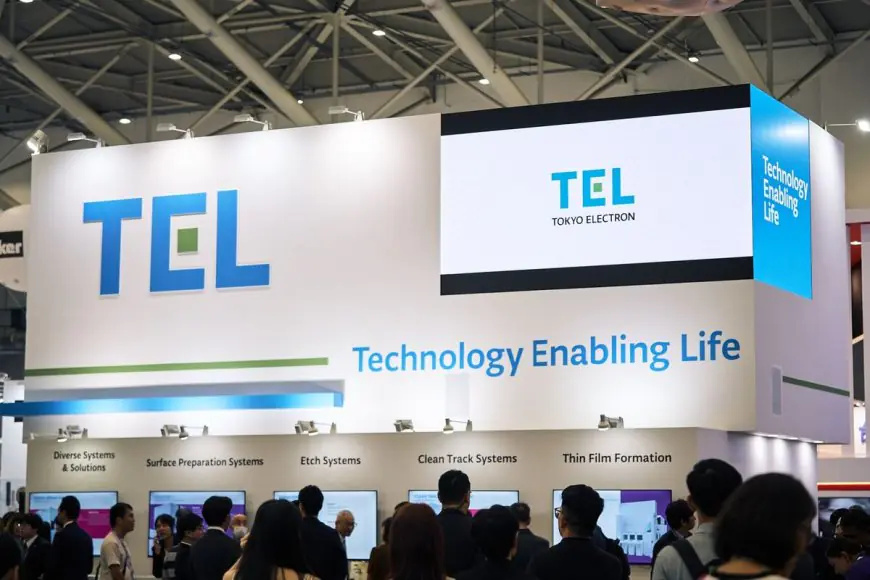
While the world watches the latest chatbot releases and generative video demos, a much quieter—and more profitable—revolution is happening inside the cleanrooms of the global semiconductor industry. Tokyo Electron (TEL), the Japanese powerhouse that manufactures the machines used to build the world's most advanced chips, has just signaled that the AI boom is far from reaching its ceiling. This week, the company officially lifted its full-year outlook, citing a relentless surge in demand for the "picks and shovels" of the artificial intelligence era.
For those unfamiliar with the "under-the-hood" mechanics of tech, Tokyo Electron is essentially a gatekeeper. You cannot build a modern AI processor—the kind used by NVIDIA, AMD, or Google—without the sophisticated etching and deposition tools that TEL specializes in. As we move through 2026, the company’s revised forecast isn't just a win for its shareholders; it’s a bellwether for the entire global economy’s transition toward an AI-first infrastructure.
HBM and the Advanced Packaging Gold Rush
The primary driver behind this financial upgrade is the explosive growth of High Bandwidth Memory (HBM). To run massive large language models, AI chips need to access data at lightning speeds. HBM provides this shortcut, but it is notoriously difficult and expensive to manufacture. Tokyo Electron has carved out a dominant position in the "wafer bonding" and advanced packaging segments that make HBM possible.
Industry analysts have noted that as the race for 2nm and 3nm chips intensifies, the complexity of the manufacturing process has increased the value of TEL’s machinery. According to a recent industry update from Reuters, the surge in capital expenditure from chipmakers is creating a backlog of orders that will likely sustain TEL’s growth well into 2027. The company now expects operating profits to significantly exceed previous estimates, driven by a 20% year-over-year increase in equipment sales to AI-focused foundries.
Geopolitical Shifts and Market Dominance
The 2026 landscape for semiconductor equipment is also heavily influenced by geopolitics. Tokyo Electron has had to navigate a complex web of export controls and shifting trade alliances. Despite these hurdles, the company has managed to maintain its lead in the coater/developer market—where it holds a near-monopoly—and is gaining ground in the dry etching space against U.S. rivals like Lam Research and Applied Materials.
Furthermore, the move by major tech firms to design their own custom silicon (ASICs) has expanded TEL’s customer base. It’s no longer just about the big three foundries; a wide array of hyperscalers are now investing directly in the hardware stack to gain an edge in AI training speeds. This diversification has insulated TEL from the cyclical downturns that historically plagued the "standard" PC and smartphone markets.
Investing in the Next Generation of Compute
Looking at the broader picture, Tokyo Electron’s success is a direct reflection of the massive capital being poured into data centers worldwide. To keep up with this demand, TEL has announced plans to increase its R&D spending, focusing on "sustainable manufacturing." In a world where data centers are being criticized for their energy consumption, TEL is betting that chipmakers will pay a premium for machines that can produce more powerful chips with a smaller carbon footprint.
According to the SEMI World Fab Forecast, global spending on fab equipment is set to hit record highs in 2026, with nearly 40% of that investment directly tied to AI-related capacity. For Tokyo Electron, being at the center of this spending spree means they are no longer just a supplier; they are a strategic partner in the build-out of a new digital civilization.
Conclusion: The Momentum Continues
Tokyo Electron’s decision to lift its outlook is a clear message to the market: the AI infrastructure build-out is entering its second, more intensive phase. We are moving past the initial hype and into a period of sustained, industrial-scale growth. As long as the demand for smarter, faster, and more efficient AI continues to climb, the machines that build the silicon will remain some of the most valuable assets on the planet.