







































India Jumps to No. 3 on Stanford’s Global AI Vibrancy Index Amid 252% Talent Surge
India has achieved a historic milestone by climbing to the third spot on Stanford University’s 2025 Global AI Vibrancy Index. Fueled by a massive 252% increase in AI talent concentration and a booming startup ecosystem, the country now trails only the United States and China in the global AI race.

A Historic Leap: India Surpasses Global Tech Leaders
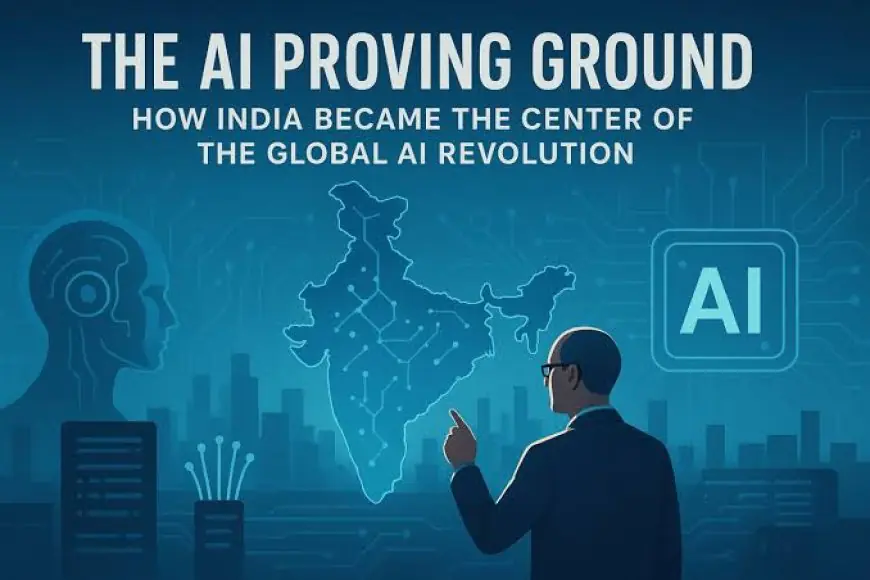
In a powerful testament to its rapidly evolving digital landscape, India has officially secured the third position in Stanford University’s 2025 Global AI Vibrancy Index. This jump represents a rise of four places in just twelve months, with India overtaking established technological powerhouses like the United Kingdom, South Korea, Singapore, and Japan. The ranking, released in late 2025, underscores a structural shift in the global technology hierarchy where India is no longer just a back-office service provider but a leading front-rank innovator.
The index evaluates nations across seven critical pillars, including Research and Development (R&D), economy, infrastructure, and talent. While the United States and China continue to hold the top two spots, India’s "vibrancy" score of 21.59 reflects an ecosystem that is accelerating faster than almost any other major economy. The IndiaAI Mission, backed by a $1.25 billion government investment, has played a pivotal role in this ascent, providing the policy and infrastructure bedrock needed to scale sovereign AI capabilities.
The Talent Explosion: A 252% Surge in AI Expertise
The most staggering statistic in the Stanford report is the growth of India’s human capital. Between 2016 and 2024, India recorded a 252% increase in AI talent concentration—the highest growth rate globally. Today, India ranks second only to the United States in total AI skill penetration. This isn't just a numbers game; it is a fundamental transformation of the workforce. According to industry data, India’s Global Capability Centers (GCCs) now employ over 126,000 AI-aligned professionals, shifting from execution-based tasks to high-value AI innovation.
This talent surge is supported by a robust educational pipeline. The Union Budget 2025-26 recently allocated ₹500 crore to establish a Centre of Excellence in AI for Education, aiming to upskill millions of students. Furthermore, initiatives like "FutureSkills PRIME" have already seen over 1.6 million candidates enroll in AI and data science courses, ensuring that the country’s "demographic dividend" is fully harnessed for the age of automation. You can track the latest government updates on these missions via the Press Information Bureau (PIB), which frequently details the rollout of new AI labs across Tier-2 and Tier-3 cities.
Startups and Sovereign AI: Building for "Bharat"
The vibrancy of India's ecosystem is also visible in its startup sector. With over 5,000 AI startups currently active, the focus has shifted toward solving local challenges through Sovereign AI. Companies like Sarvam AI and Krutrim are developing Large Language Models (LLMs) specifically for Indian languages, bridging the digital divide for the 500 million non-English speakers in the country. These homegrown models are essential for national data security and cultural nuance, moving India away from dependency on foreign-built platforms.
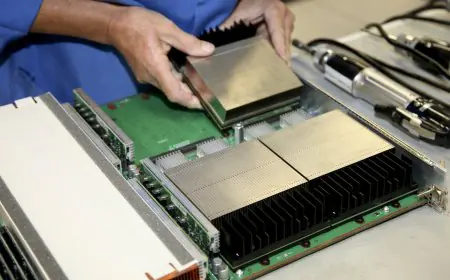
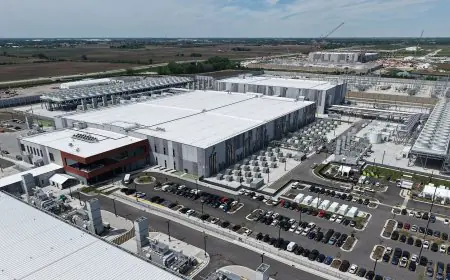
Infrastructure is also catching up with ambition. The IndiaAI Compute pillar is onboarding over 38,000 GPUs, making high-end computing affordable for researchers and startups at a fraction of the global market cost. As detailed in NASSCOM's recent reports, this democratized access to compute is expected to help India's AI market reach a staggering $20 billion by 2028. From AI-driven diagnostics in healthcare to predictive analytics in the UPI payment network, the integration of AI into India’s Digital Public Infrastructure (DPI) is setting a global benchmark for inclusive growth.
Challenges and the Path to 2030
Despite the celebratory ranking, the path ahead is not without obstacles. The Stanford report noted a slight dip in India’s "policy and governance" scores, suggesting that regulatory clarity will be the next big frontier. While the talent is there, private investment still lags behind the US and China, with skeptics pointing to a need for deeper venture capital involvement in deep-tech sectors. However, the momentum is undeniable. With its current trajectory, India is on track to contribute nearly $500 billion to its economy through AI by 2026, firmly establishing itself as the world’s most dynamic AI laboratory.