































Nvidia 100 Billion OpenAI Megadeal is Stalling
The historic $100 billion infrastructure partnership between Nvidia and OpenAI has hit a major snag as internal skepticism at Nvidia grows, leading to a shift toward a smaller equity-focused investment and raising questions about the future of AI scaling.
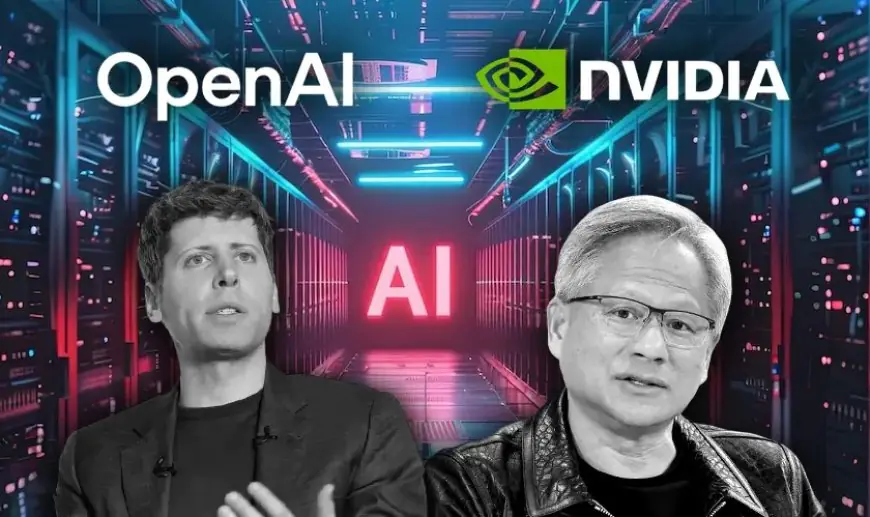


The Pause on Silicon Valley's Largest Bet
Just months after announcing what was hailed as the "largest infrastructure buildout in human history," the $100 billion megadeal between Nvidia and OpenAI has hit a significant roadblock. As we enter the first quarter of 2026, internal reports suggest that the ambitious roadmap to deploy 10 gigawatts of AI compute capacity is being fundamentally re-evaluated. What began as a bold letter of intent to secure the future of superintelligence has stalled, as leadership at Nvidia expresses growing skepticism regarding the massive financial exposure and the "non-binding" nature of the original agreement.
The deal, which was intended to fund the "Vera Rubin" platform and other next-generation AI factories, is currently being stripped back. Instead of a multi-year, $100 billion infrastructure commitment, discussions have reportedly pivoted toward a more traditional equity investment in the range of tens of billions. This shift signals a cooling period in the aggressive "circular financing" models that have defined the AI boom of the last two years.
Internal Doubts and the 100 Billion Question
The stall isn't just a matter of paperwork; it reflects a deeper strategic tension within Nvidia. According to reports from the Wall Street Journal, some senior executives inside the chip giant have expressed concern over the sheer scale of the commitment. Committing $100 billion to a single entity—even one as dominant as OpenAI—creates a concentration of risk that some board members find difficult to justify as the AI market begins to diversify.
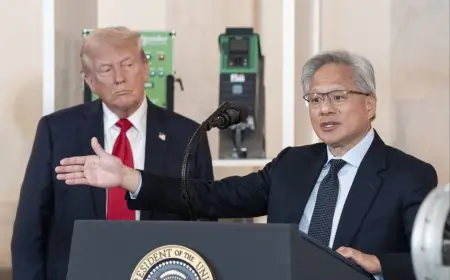
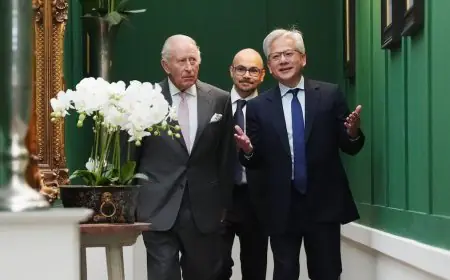
Furthermore, Nvidia CEO Jensen Huang has recently moved to manage market expectations. In private discussions and industry circles, Huang has emphasized that the original $100 billion figure was more of an aspirational ceiling than a guaranteed check. By downplaying the likelihood of the full deal moving forward, Huang is signaling that Nvidia may prefer to remain a diversified "arms dealer" for the entire industry rather than becoming the primary financier for a single "super-customer."
OpenAI’s Trillion-Dollar Ambition Meets Reality
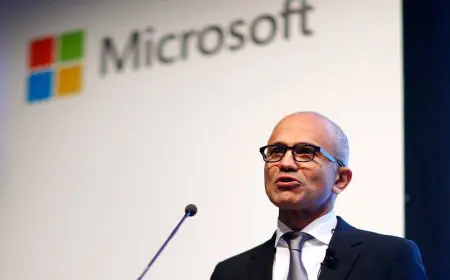
For OpenAI, the stalling of this deal comes at a precarious time. The company is currently facing a projected cash burn of nearly $14 billion in 2026, driven by the astronomical costs of training its latest reasoning models. Sam Altman’s vision of a "Stargate" level infrastructure requires a continuous flow of capital that only a few entities on earth can provide. If the Nvidia deal remains in a smaller, equity-only format, OpenAI may have to rely more heavily on its other partners, including Microsoft, Amazon, and SoftBank.
As noted by Techstrong.ai, the competition is also heating up. Anthropic and Google Gemini are scaling their own infrastructures at a rapid clip, putting pressure on OpenAI to maintain its technological lead. A smaller investment from Nvidia could mean a slower rollout of the 10-gigawatt "AI factories" that were expected to come online in the second half of 2026, potentially narrowing the gap between OpenAI and its closest rivals.
The Future of Strategic Tech Partnerships
The cooling of the Nvidia-OpenAI deal may mark a broader trend for 2026: the end of "blank check" AI spending. Investors are increasingly demanding a clearer path to profitability and more traditional investment structures. While Nvidia remains "symbiotically" linked to OpenAI—the latter being one of the largest buyers of H200 and Blackwell chips—the relationship is maturing into a standard vendor-customer dynamic rather than an unprecedented joint venture.
Moving forward, we expect Nvidia to continue investing in "generational companies," but with a more cautious, phased approach. The focus is shifting toward ensuring that every billion dollars invested results in a direct and immediate expansion of the AI ecosystem, rather than speculative long-term capacity that may or may not be utilized.
Conclusion
Nvidia’s decision to tap the brakes on the $100 billion megadeal is a "sanity check" for the AI industry. While the appetite for compute power remains insatiable, the financial structures supporting that growth are being forced to align with traditional market realities. OpenAI will likely still receive a historic infusion of capital, but the dream of a singular, $100 billion "AI super-alliance" is giving way to a more complex and competitive multi-polar world.