




























Meta's Nuclear Strategy Aims to Support AI Infrastructure Through Atomic Power
Meta seeks up to 4GW of nuclear power for AI data centers, aiming to balance innovation and sustainability. The tech giant's ambitious plan could reshape the energy landscape for AI infrastructure.
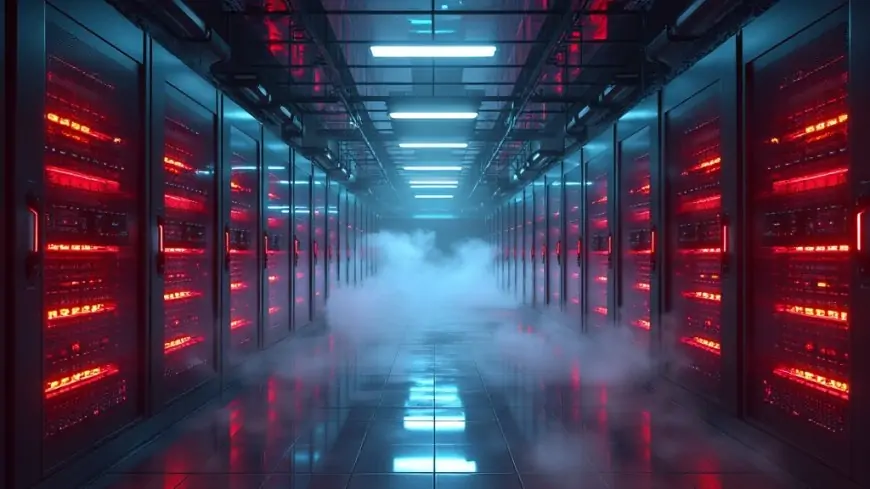
Meta, the parent company of Facebook, is making waves in the tech and energy sectors with its ambitious plan to power future AI data centers using nuclear energy. The social media giant has announced its intention to secure up to 4 gigawatts (GW) of new nuclear power capacity in the United States, with operations expected to commence in the early 2030s


This bold move comes as Meta seeks to address the growing energy demands of its artificial intelligence initiatives while simultaneously pursuing its sustainability objectives. The company has issued a request for proposals (RFP) to identify potential partners in the nuclear energy sector, emphasizing its commitment to clean, reliable power sources.
The Nuclear Vision
Meta's nuclear ambitions are part of a broader trend in the tech industry, with companies like Amazon and Google also exploring nuclear options for their data centers. The plan involves adding between 1 and 4 GW of new nuclear generation capacity, equivalent to approximately four traditional nuclear power plants.
The company is taking an open approach to this initiative, seeking partnerships across the industry. Meta's RFP targets developers capable of managing every aspect of nuclear development, from site selection to construction and operation. This comprehensive strategy aims to streamline the process and potentially reduce costs through economies of scale.
Balancing Innovation and Sustainability
Meta's pursuit of nuclear power is driven by two primary factors:
- Meeting the energy needs of future AI data centers
- Advancing broader industry decarbonization efforts
The company believes that nuclear energy can provide the firm, baseload power necessary to support both its data centers and the surrounding communities. This approach aligns with Meta's commitment to 100% clean energy, which it has maintained since 2020.
Challenges and Opportunities
While Meta's nuclear plans are ambitious, they come with significant challenges:
- High capital costs and lengthy development timelines
- Stringent regulatory requirements
- Potential community opposition
- Uranium fuel supply concerns
Despite these hurdles, Meta sees an opportunity to replicate its early success with renewable energy investments by making a similar commitment to nuclear power. The company is offering cost-sharing opportunities and long-term agreements to incentivize nuclear projects.
The Bigger Picture
Meta's nuclear initiative reflects the growing energy demands of the tech industry, particularly in the realm of AI. U.S. data center power usage is projected to triple by 2030, underscoring the need for stable, consistent power sources. As Meta and other tech giants invest in nuclear energy, they are not only securing their own power needs but also potentially reshaping the energy landscape. These investments could accelerate the development of next-generation nuclear technologies, such as small modular reactors (SMRs), which promise simpler construction and installation processes.
Meta's bold step into nuclear energy signifies a pivotal moment in the intersection of technology and sustainable power. As the company navigates the complex landscape of nuclear development, its success or failure could have far-reaching implications for the future of AI infrastructure and clean energy adoption in the tech industry.