































TCS Ramps Up AI Transformation: Betting on a $30 Billion AI-First Future
Tata Consultancy Services (TCS) has officially pivoted to an "AI-first" operating model. Under CEO K Krithivasan, the IT giant is training 600,000 employees and restructuring internal units to become the world’s largest AI-led technology services provider.
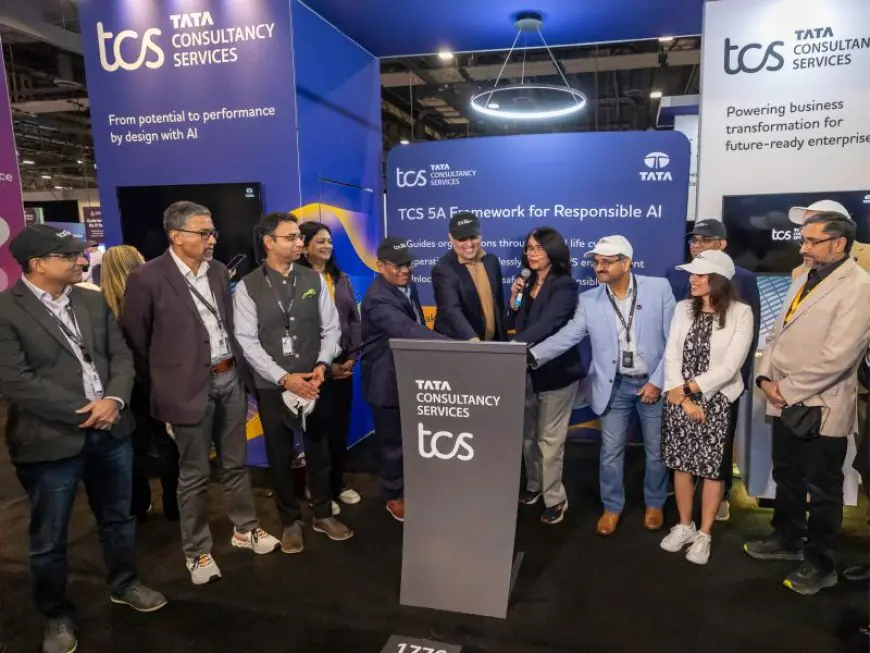


The Giant Awakens: TCS’s Massive Pivot to AI-Led Services
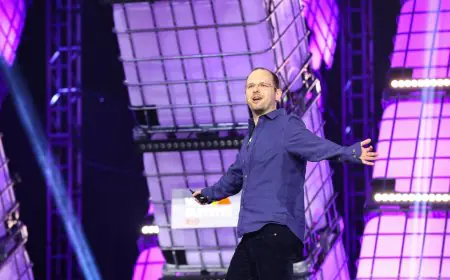
India’s largest IT exporter, Tata Consultancy Services (TCS), has signaled a definitive end to the "experimentation" phase of artificial intelligence. In a series of strategic moves culminating in late 2025, the company has launched a sweeping internal and market-facing transformation. The goal is simple but audacious: to move from being a digital-first enterprise to the world’s largest AI-led technology services company. CEO K Krithivasan recently revealed that the company’s AI services division has already reached an annualized revenue run-rate of $1.5 billion, with 54 of its top 60 clients now leveraging TCS for AI-specific workloads.
This shift isn't just about rebranding; it’s a structural overhaul. TCS has consolidated its various AI teams into a unified AI and Services Transformation Unit, led by Amit Kapur. This unit is tasked with "cannibalizing" traditional revenue streams if it means providing customers with more efficient, AI-driven alternatives. "The first question we ask now is: What can AI do here?" Krithivasan noted during a recent analyst call, emphasizing that the company is giving AI the "first right of refusal" for every new project.
TCS to the Power AI: Upskilling 600,000 Practitioners
The backbone of this transformation is a gargantuan upskilling effort dubbed "TCS to the Power AI." Unlike previous tech cycles where specialized teams handled new tools, TCS is mandating that all 600,000+ employees become AI practitioners. To date, over 180,000 associates have already attained high-order AI skills, and 97% of the company's developers now use AI coding assistants to drive productivity gains of up to 30%.
To support this workforce, TCS has built a full-stack AI ecosystem. This includes the launch of TCS AI WisdomNext™, a first-of-its-kind platform that allows enterprises to orchestrate multiple large language models (LLMs) through a single interface. By providing a "knowledge house" and prefabricated blueprints, TCS is helping clients move past the complexities of vendor lock-in and regulatory hurdles. You can find more about their latest technological breakthroughs on the TCS Newsroom, where they recently detailed their massive investments in data center infrastructure.
Infrastructure and Acquisitions: Building the Foundation
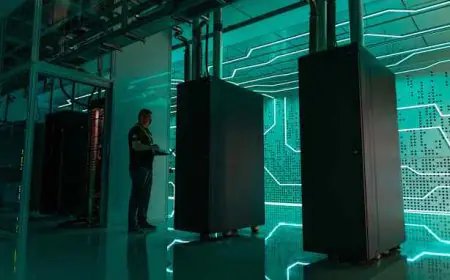
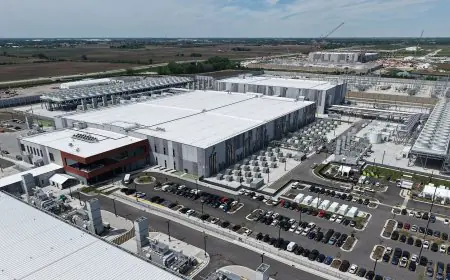
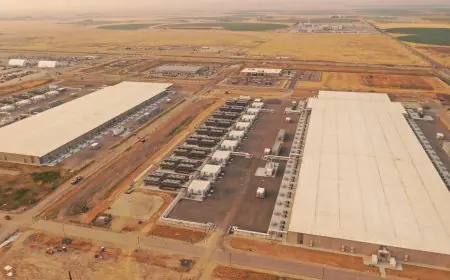
Recognizing that AI is only as good as the hardware it runs on, TCS has moved aggressively into the infrastructure space. In partnership with private equity firm TPG, the company is developing HyperVault, a 1 GW capacity, AI-ready data center project. This move represents a shift from being a pure software services firm to an end-to-end AI player that manages everything from chip design to agentic AI deployment.
On the inorganic front, TCS has broken its decade-long acquisition silence. The recent $700 million buyout of Coastal Cloud, a Salesforce consulting leader, highlights a new strategy of acquiring specialized talent to accelerate time-to-market. These moves are designed to help TCS compete with global rivals like Accenture, which has also been aggressive in the AI acquisition space. As the IT services model evolves from "human-only" to "human-plus-AI," TCS’s five-level autonomy framework is setting the pace for how global businesses will operate in 2026 and beyond.
What This Means for the Global Market
TCS's aggressive stance is a bellwether for the entire IT services industry. By positioning itself as "Customer Zero"—implementing every AI solution internally before selling it to clients—TCS is proving that the ROI on AI is real. Internal functions like HR, Legal, and Finance are already being redesigned around AI-first agents. As the company continues to scale, the focus will likely shift from basic automation to "agentic" behavior, where AI systems autonomously solve complex business problems without human oversight.