
















SoftBank’s $4 Billion DigitalBridge Buyout: The Architecture of Artificial Super Intelligence
In a massive year-end play, Masayoshi Son’s SoftBank has agreed to acquire digital infrastructure giant DigitalBridge for $4 billion. The deal secures the physical backbone—data centers, fiber, and power—needed to fuel SoftBank’s ambitious vision for Artificial Super Intelligence (ASI).


Building the Foundation for ASI: SoftBank’s $4 Billion Bet
As 2025 draws to a close, SoftBank Group has once again proven that its appetite for the future is insatiable. On December 29, the Japanese conglomerate announced a definitive agreement to acquire DigitalBridge Group, Inc., a leading global asset manager specializing in digital infrastructure, for approximately $4 billion. The deal, valued at $16 per share, represents a significant 15% premium over recent market prices and underscores a critical shift in the AI race: the battle is moving from the software layer to the physical earth beneath our feet.
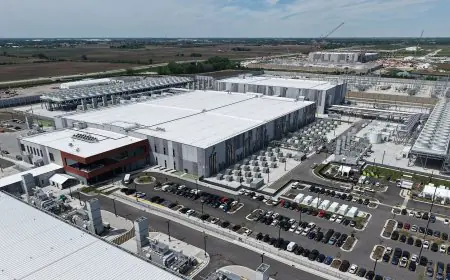
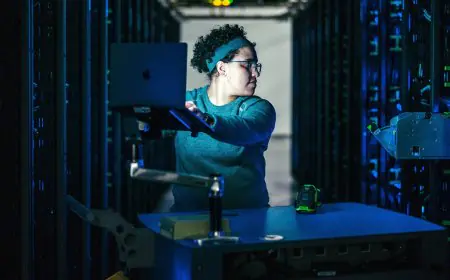
For SoftBank’s founder, Masayoshi Son, this isn't just another line item in a portfolio; it is the construction of a legacy. Son has been vocal about his mission to realize "Artificial Super Intelligence" (ASI)—a level of AI that surpasses human capability across all fields. However, ASI requires more than just clever algorithms; it demands an unprecedented amount of electricity, cooling, and specialized real estate. By absorbing DigitalBridge, SoftBank gains control over a massive engine of digital growth that manages over $108 billion in assets, including industry heavyweights like Vantage Data Centers and Zayo.
Why DigitalBridge? The Shift to "Hard" AI Assets
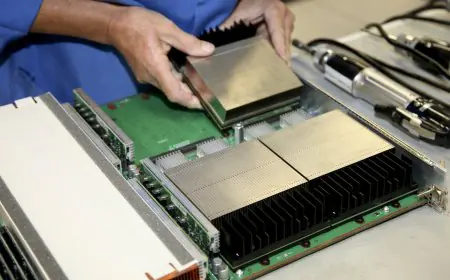
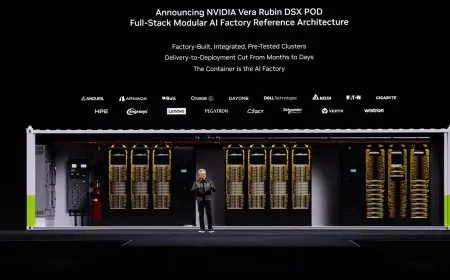
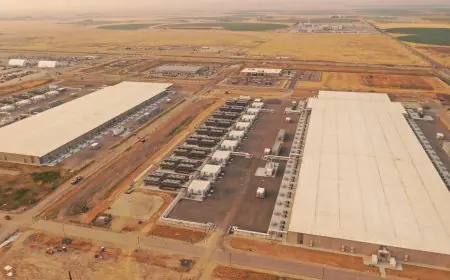
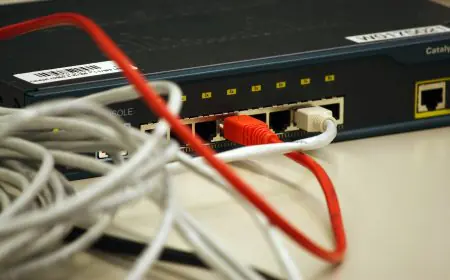
The acquisition signals that the "Gold Rush" phase of AI—where investors chased chatbots and LLMs—is being replaced by an "Infrastructure Era." DigitalBridge is not a software company; it is a master of the unglamorous essentials. Its portfolio spans hyperscale data centers, cell towers, and edge computing facilities that bring processing power closer to the end-user. This proximity is vital for the low-latency applications required by autonomous agents and real-time AI reasoning.
Industry analysts suggest that SoftBank’s move is a direct response to the "compute bottleneck." As hyperscalers like Microsoft and Google gobble up available data center capacity, SoftBank is securing its own sovereign supply chain. According to the official SoftBank announcement, DigitalBridge will continue to operate as a standalone platform under its current CEO, Marc Ganzi. This structure allows DigitalBridge to maintain its specialized investment focus while tapping into SoftBank’s deep pockets and global network to accelerate the "Stargate" project—a $500 billion infrastructure initiative aimed at building 10-gigawatt AI campuses.
The Global Ripple Effect: Beyond Silicon and Software
This deal is about more than just data centers; it’s about the convergence of chips, power, and property. SoftBank already owns a majority stake in Arm Holdings, whose chip designs are becoming the standard for energy-efficient AI servers. By owning the infrastructure (DigitalBridge) and the silicon (Arm), SoftBank is vertically integrating the entire AI stack. This gives them a unique advantage in a market where energy costs and hardware availability have become the primary limiting factors for growth.
The acquisition also reflects a broader trend of "Sovereign AI" infrastructure. As nations and corporations look to secure their digital independence, the value of physical networks—the fiber optic cables and the power grids—has skyrocketed. For those tracking the broader financial landscape, the DigitalBridge newsroom highlights how the firm has restructured itself over the last three years to pivot away from traditional real estate toward pure-play digital assets, making it the perfect target for Son’s final push toward ASI.
What Lies Ahead in 2026?
The transaction is expected to close in the second half of 2026, pending the usual regulatory hurdles. In the meantime, the market is watching closely to see how SoftBank integrates these physical assets with its ventures in robotics and generative AI. The message from Tokyo is clear: the path to Super Intelligence isn't paved with code alone—it’s built with concrete, copper, and thousands of miles of fiber. As we move into the next year, the winners of the AI revolution will likely be those who own the "land" on which the digital future is built.