





































Power Crunch Threatens to Derail AI Data Center Construction Surge
A worsening power supply shortage is stalling AI data center construction worldwide, as strained electric grids and rising energy costs challenge the rapid growth needed to support AI infrastructure demands.
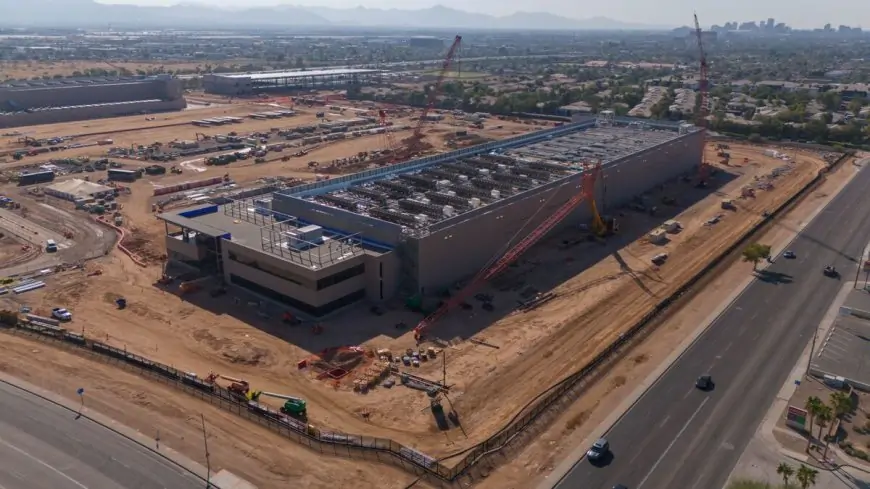
The rapid expansion of AI technologies is driving an unprecedented demand for data center infrastructure, but a severe power crunch is threatening to derail new AI data center construction projects globally. As AI workloads multiply, the energy required to power and cool these hyper-scale facilities is placing immense strain on traditional electric grids and utility infrastructures, sparking concerns of delays, cost overruns, and compromised project viability.


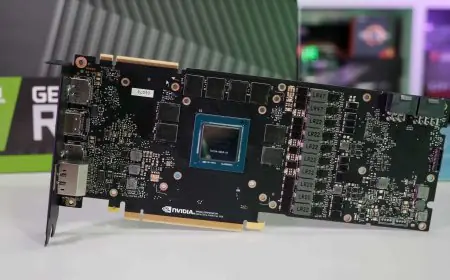
Recent industry reports reveal that grid capacity constraints and slow utility connection timelines are the primary obstacles faced by data center developers. In many regions, securing the necessary power allotments can take several years due to regulatory approvals, infrastructure limitations, and rising demand from multiple sectors simultaneously. Such delays clash with AI’s fast-moving market dynamics and the urgent needs of hyperscale operators who rely on hundreds of thousands of GPUs to train and deploy advanced models.
Power density demands in AI data centers are staggering — racks operating at 30 to 100+ kilowatts per cabinet dwarf typical IT infrastructure, requiring upgraded power delivery and cooling systems. The fluctuating and bursty nature of AI workloads also complicates power management and forecasting for grid operators, raising risks of regional blackouts if new capacity is not rapidly developed. Experts warn that unless grid modernization and additional generation capacity are accelerated, the largest AI data centers could overwhelm local power systems.
Energy costs have also surged due to global fuel price increases and supply chain challenges, further inflating capital and operational expenditure for both new and existing AI data centers. This financial pressure fuels a reconsideration of site selection, pushing developers toward regions with cheaper and more reliable power or toward innovative energy solutions.
In response, modular and flexible data center designs, along with investments in renewable energy and battery storage, are gaining traction as partial remedies. However, the scale of AI’s power appetite demands coordinated action between utilities, governments, and industry to expand grid infrastructure, streamline permitting, and incentivize sustainable energy deployment.
The power crunch emerging in AI data center construction underscores a vital paradox: AI’s transformative potential hinges on the availability of vast energy resources in a world facing climate and infrastructure constraints. Solving this challenge is critical to sustaining AI’s growth trajectory and ensuring the technology can deliver its broad societal and economic benefits.