























UK's Proposal to Ease AI Training Meets Strong Opposition from Music Industry
UK proposes law to simplify AI training meets resistance from music industry, calling for 'real control'
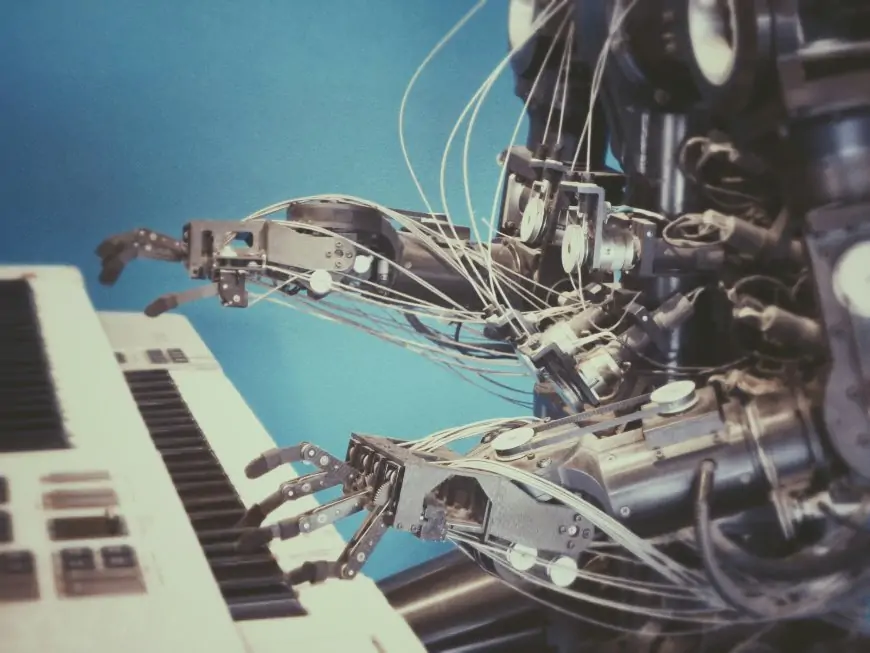
A creator battle is heating up with the UK government considering changing laws to allow AI companies to use creators' online content to train their models. However, the creators can explicitly choose to opt out of the system. This move has sparked strong opposition and resistance from all corners in the music industry.

What’s Happening?
Former Beatles member Paul McCartney has stood out, lending his voice to the opposition. He publicly expressed his concerns, warning that such a scenario could lead to a "Wild West" scenario where creative works lose their rightful copyright protection. In an interview with the BBC, McCartney urged the government to reconsider this approach.
McCartney further emphasized the potential threat it poses to emerging artists: "Young boys and girls are coming up, writing beautiful songs, but they don't own them." He wants a situation where creators benefit from their works, rather than allowing others to profit from them.
The Good Side
Paul McCartney himself knows the benefits of AI, having collaborated with a model on the Beatles final song 'Now and Then.' Still, he clearly stated "I think AI is great; it can do many wonderful things. But it should take nothing away from creative people, that makes no sense."
The UK government might have promised to provide creators with "real control" and transparency, however, critics argue that the proposed opt-out system places an unfair burden on artists. They claim that it requires the artists to track and oppose every AI company individually, which often favors data collectors more.
The UK Music Association responded through Tom Keel, who stated, "There is no evidence that creatives can effectively 'opt out' of being included in AI training systems, so this apparent concession does not reassure those working in music."
At the moment, YouTube's approach gives some insight into this controversy. YouTube allows creators to choose which AI companies can use their content, potentially enabling systematic payments for training data. However, there must be some strong coordination across platforms and countries.
The controversy is fast-growing and courts are now firmly in the picture. For example, Top US record companies are taking legal action against AI generators. Also, Germany's Gema has sued Suno.ai and ChatGPT over issues related to lyrics usage.